

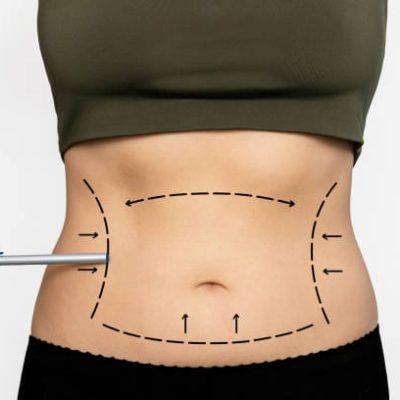

Liposuction in Dubai is a popular body-contouring procedure for people who want to address stubborn fat deposits that remain despite regular exercise and a balanced diet. It can help reshape areas such as the abdomen, thighs, arms, hips, flanks, and back. However, achieving a smooth and proportionate appearance depends on more than simply removing unwanted fat. One important factor that influences the final outcome is skin elasticity.
Skin elasticity refers to the skin's ability to stretch and return to its original shape. During liposuction, fat is removed from beneath the skin, leaving the surrounding tissue to adjust to the new body contour. If the skin has good elasticity, it may contract more effectively around the treated area. Understanding this relationship helps patients develop realistic expectations before considering liposuction.
What Is Skin Elasticity and Why Does It Matter?
Skin elasticity is the natural ability of the skin to stretch and recover. Two important structural proteins, collagen and elastin, contribute to this process. Collagen provides strength and support, while elastin allows the skin to stretch and return to its previous position.
When fat is removed through liposuction, the skin needs to adapt to the reduced volume underneath it. Skin with good elasticity generally has a better ability to adjust to the newly shaped area.
On the other hand, skin with reduced elasticity may not contract sufficiently after fat removal. This can sometimes result in loose, uneven, or slightly sagging skin.
Therefore, evaluating skin quality is an important part of determining whether someone is a suitable candidate for liposuction.
How Does Good Skin Elasticity Affect Liposuction Results?
Good skin elasticity can contribute to smoother and more defined body contours after liposuction. When the skin has sufficient flexibility and structural support, it may gradually adjust to the body's new shape following the procedure.
Several benefits are associated with healthy skin elasticity:
-
Improved skin contraction: The skin may adapt more effectively after the removal of underlying fat.
-
Smoother contours: Good elasticity can help reduce the likelihood of loose-looking skin.
-
Better body definition: The treated area may develop a more proportionate appearance.
-
Improved overall contour: Skin that adjusts well can complement the changes achieved through fat removal.
However, good elasticity does not guarantee a particular result. Healing, surgical technique, the amount of fat removed, and individual anatomy also influence the final appearance.
Can Poor Skin Elasticity Affect Liposuction Outcomes?
Yes, reduced skin elasticity can influence how the body looks after liposuction. When the skin cannot contract effectively, it may remain loose after the underlying fat has been removed.
This concern is particularly relevant for individuals who have experienced significant weight fluctuations, pregnancy, or natural age-related changes.
For example, someone with considerable abdominal skin laxity may notice that removing fat alone does not create the flatter appearance they expected. Similarly, individuals with loose skin around the upper arms or inner thighs may require a different treatment approach.
In these situations, a medical professional may discuss alternative or additional procedures that address excess skin rather than focusing exclusively on fat removal.
It is important to understand that liposuction removes localised fat deposits; it is not designed to remove substantial amounts of loose skin.
What Factors Influence Skin Elasticity Before Liposuction?
Skin elasticity varies from person to person. Several factors can influence its condition and ability to recover after a body-contouring procedure.
1. Age-Related Changes
As people grow older, collagen and elastin production naturally decline. This can make the skin thinner, less flexible, and slower to return to its original shape.
Age alone does not determine eligibility for liposuction, but it can influence treatment planning.
2. Previous Weight Changes
Repeated weight gain and weight loss can stretch the skin over time. Individuals who have experienced significant weight fluctuations may have reduced skin firmness in certain body areas.
3. Sun Exposure
Long-term exposure to ultraviolet radiation can damage collagen and elastin fibres. This may contribute to premature skin ageing and reduced elasticity.
4. Pregnancy
Pregnancy can stretch abdominal skin as the body accommodates physical changes. Some individuals experience lasting skin laxity even after returning to their previous weight.
5. Genetics and Lifestyle
Genetic factors influence natural skin structure and ageing patterns. Smoking, poor nutrition, and inadequate sun protection may also contribute to reduced skin quality.
Which Body Areas Require Special Attention to Skin Elasticity?
Skin elasticity is important when planning liposuction across different body regions because each area has its own tissue characteristics.
-
Abdomen: Previous pregnancies and weight fluctuations may contribute to loose abdominal skin.
-
Upper arms: Reduced elasticity can make the skin appear less firm after fat removal.
-
Inner thighs: Skin laxity may affect how smoothly the treated area adjusts.
-
Flanks: Assessing skin quality helps determine whether fat reduction can produce balanced contours.
-
Back: Existing skin folds and tissue distribution may influence the expected outcome.
A detailed assessment helps identify whether liposuction alone is appropriate or whether another approach should be considered.
How Can Skin Elasticity Be Evaluated Before Liposuction?
A professional assessment generally includes an examination of skin firmness, thickness, texture, and existing laxity. The medical professional may also review previous weight changes, medical history, lifestyle habits, and the patient's body-contouring goals.
A physical examination can help determine how much the skin moves and how well it appears to return after gentle stretching.
The assessment also considers the quantity and location of excess fat. Removing too much fat from an area with limited skin elasticity may increase the risk of irregular contours.
Patients should discuss their expectations openly and understand that individual healing responses can vary.
How Does Tajmeels Clinic Consider Skin Elasticity Before Liposuction?
At tajmeels clinic dubai, individual body characteristics are important considerations when planning liposuction in Dubai. Evaluating skin elasticity helps support a more personalised approach to body contouring.
The assessment may consider skin firmness, localised fat distribution, body proportions, previous weight changes, and the condition of the targeted area. These factors help determine whether liposuction alone may be suitable or whether alternative procedures should be discussed.
Tajmeels Clinic focuses on understanding individual aesthetic goals while considering medical suitability and realistic treatment outcomes. Patients can discuss their concerns, expected changes, and recovery requirements during a consultation before making a treatment decision.
Can You Improve Skin Elasticity Before Liposuction?
Although natural ageing and genetics cannot be reversed, maintaining healthy skin habits may support overall skin quality.
Some helpful practices include:
-
Maintaining a stable and healthy body weight.
-
Eating a balanced diet with adequate protein, vitamins, and minerals.
-
Staying properly hydrated.
-
Avoiding smoking and excessive sun exposure.
-
Following a consistent skincare routine.
-
Maintaining regular physical activity.
These habits support general health but cannot guarantee that loose skin will tighten after liposuction. Individuals with significant skin laxity may need a separate medical evaluation.
Conclusion
Skin elasticity plays an important role in determining how the body adjusts after liposuction. Good elasticity may support smoother contours and better skin contraction, while reduced elasticity can contribute to loose or uneven skin after fat removal. Age, pregnancy, weight fluctuations, genetics, and lifestyle habits can all influence skin quality.
A professional assessment before treatment helps identify individual concerns and establish realistic expectations. Understanding skin elasticity allows patients to make more informed decisions about liposuction and explore suitable body-contouring options.
More Information
Tajmeels Clinic Dubai
WhatsApp: +971 56 203 8751
Phone: tel:+971 43739000
Social Media:


