

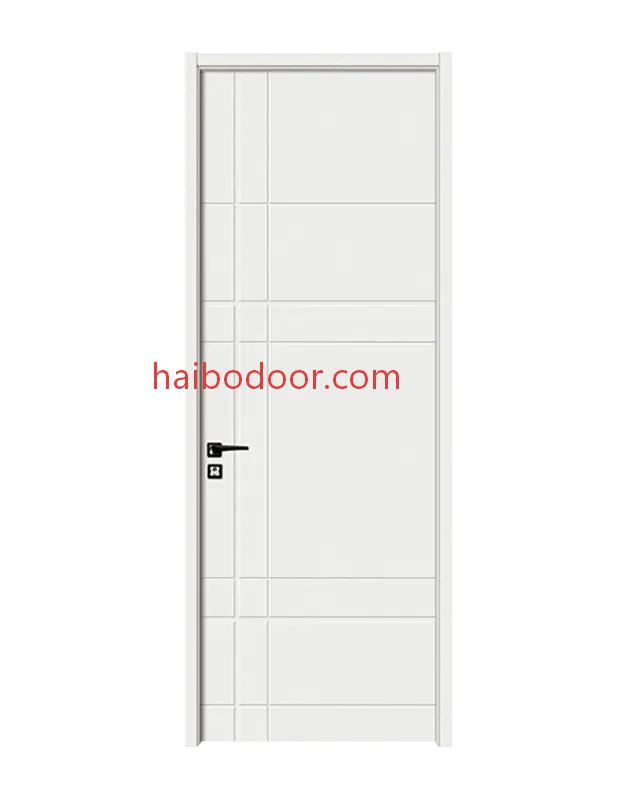

Choosing an interior door often means deciding how a room should feel when someone enters, leaves, or closes it behind them. A door in a bedroom serves a different everyday purpose from one separating a shared living area, even when both belong to the same home. An Interior Door Factory provides door options for residential and commercial spaces, but the experience of living with a particular design is shaped by its location, the surrounding room arrangement, and the way occupants move through their daily routines.
Think about an ordinary morning when several people are moving around the house. Someone opens a bedroom door to collect clothes, another person walks through the hallway carrying a laundry basket, and a third is getting ready in a private room. Doors become part of these movements without requiring much attention. Their position and appearance influence how people navigate the interior, particularly in narrow corridors or rooms where furniture occupies much of the available space. Even a familiar doorway can feel different when someone is carrying groceries, a suitcase, or a box that needs to pass through.
Privacy is often associated with bedrooms, bathrooms, and personal workspaces. Closing a door changes the feeling of an occupied room because it creates a visible boundary between that space and the rest of the home. In a shared household, this simple action becomes part of a daily routine, whether someone is resting, changing clothes, reading, or working. The experience depends on the room arrangement and the expectations of its occupants, rather than the door acting as an isolated decorative object. Sometimes the decision to close it is simply about having a little personal space.
Appearance also matters during ordinary use, although people may notice it gradually instead of making a conscious decision every time they pass through. A white door against a pale wall, a wood-toned surface beside furniture, or a contrasting panel within a hallway can affect the way the interior looks from different viewpoints. Walking from the kitchen toward a bedroom, the door becomes part of the surrounding scene. Its color and design remain visible even when the room itself is not being used. This is why an interior finish that seemed like a small detail during renovation can become familiar every day.
Haibo manufactures interior door solutions that include PVC doors, wooden doors, and customized options for different decorative styles. These choices give projects different visual directions, depending on the surrounding furnishings and the intended character of each room. During a renovation, the door selection may be considered alongside wall finishes, flooring, and the appearance of adjoining spaces. A household may prefer a consistent look throughout the property, while another project may use different styles for separate areas. The decision is often connected to how occupants imagine using each room once the renovation work is finished.
The practical experience of opening and closing a door also involves the space around it. Furniture placed near an entrance, objects stored beside a wall, or the layout of a passage can affect movement. I have noticed how carrying a large box through a doorway changes the way someone approaches it, since the person has to account for the door position and available room. These small interactions happen repeatedly and become part of the familiar rhythm of a home. The intended location is therefore an important consideration when choosing a design, especially where several activities take place within a limited area.
Commercial interiors introduce different routines. In an office, staff may move between work areas throughout the day, while rooms used for meetings or individual tasks have different patterns of occupancy. In residential buildings, the same doorway might be used by family members, visitors, or people carrying shopping bags. The appearance of the door can contribute to the interior arrangement, but its role in these situations is largely practical: providing an opening between spaces that can be used according to the building's layout and occupants' needs. A door in a shared corridor may be encountered by many people, while one inside a private room belongs to a quieter routine.
Customized interior doors can be selected around project requirements, including decorative preferences and the intended setting. An Interior Door Factory may handle different residential and commercial applications, where individual rooms have distinct purposes and everyday routines. The range of interior door products and project options associated with https://www.haibodoor.com reflects these different settings, from private bedrooms to shared working areas. Yet the daily experience still comes down to small moments of use, such as someone pausing in a hallway to let another person pass, or closing a bedroom door before sitting down at a desk and saying, "I'll be in here for a while."


