


Interior decorating services are gaining attention as homeowners and businesses increasingly recognize the importance of attractive and functional environments. Interior spaces influence how people feel, work, relax, and interact with others. A thoughtfully decorated room can create a welcoming atmosphere, improve everyday comfort, and communicate a distinctive sense of style. Whether it involves refreshing a residential property or enhancing a commercial environment, professional decorating services help transform spaces through creative planning and carefully selected design elements.
The increasing preference for visually appealing and practical surroundings has strengthened interest in professional home styling and decorating services. Consumers are looking for decorating solutions that match their lifestyles, preferences, and expectations. Rather than focusing exclusively on expensive furnishings or elaborate decorations, many people now appreciate balanced interiors that combine simplicity, functionality, and personality. This changing approach is encouraging decorators to develop more personalized concepts for different types of properties.
Growing Interest in Professional Interior Styling
Interior styling has become an important consideration for people who want their surroundings to look organized and attractive. Decorating a space involves several interconnected decisions, including selecting furniture, coordinating colors, choosing materials, arranging accessories, and establishing suitable lighting.
Although individuals can decorate their own spaces, professional assistance can make the process more structured. Decorators understand how different elements interact and how small design decisions can influence the overall appearance of a room. They can recommend suitable combinations that create visual harmony while addressing practical requirements.
For homeowners, professional decorating can help create a consistent appearance across different rooms. Instead of treating every room as a separate project, decorators can establish a common visual theme that connects the entire property. This approach helps create interiors that feel organized and thoughtfully designed.
Residential Decorating and Changing Lifestyle Needs
Residential interior decorating continues to evolve alongside changing household requirements. Homes are no longer viewed only as places for relaxation. They also accommodate work, entertainment, hobbies, family interactions, and personal activities.
This has increased the importance of flexible interior arrangements. A spare room may serve as a workspace, a living room may include an entertainment area, and a bedroom may incorporate practical storage solutions. Decorators consider these requirements when recommending furniture, accessories, and layouts.
Comfort is another important factor. Soft furnishings, suitable seating, attractive curtains, coordinated bedding, and carefully selected decorative elements can make residential interiors feel more inviting. Homeowners are also showing interest in designs that reflect their personal experiences and preferences.
The use of indoor greenery, natural finishes, and warm color combinations is helping create relaxing environments. These decorating choices can make rooms feel more connected to nature while introducing visual variety.
Commercial Spaces and Professional Decorating
Interior decorating is not limited to residential properties. Commercial establishments also benefit from carefully planned interiors that create positive experiences for visitors, customers, and employees.
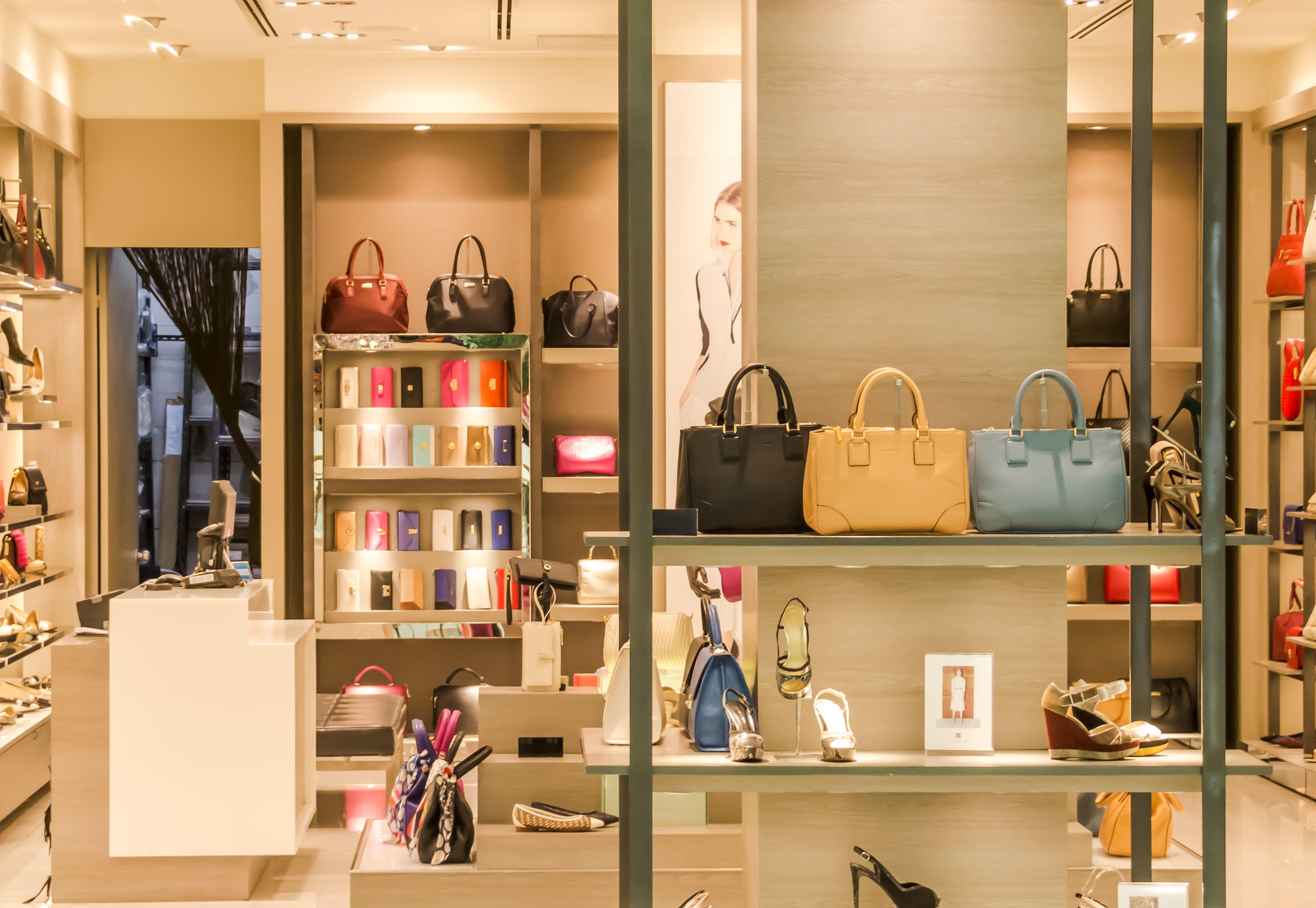
Retail stores, offices, hospitality spaces, restaurants, and other commercial environments often use decorating elements to communicate their identity. Furniture arrangements, lighting, wall finishes, decorative displays, and color combinations can influence how people perceive a business.
For example, an office may use a clean and organized decorating style to establish a professional atmosphere. A restaurant may choose warm lighting, comfortable seating, and distinctive decorative features to create a welcoming environment. Retail businesses can use attractive displays and coordinated interiors to strengthen the overall shopping experience.
Professional decorators help businesses select interior elements that support their intended atmosphere while considering the practical needs of the space.
The Influence of Modern Decorating Trends
Interior decorating trends continue to introduce new ideas and creative possibilities. Minimalist interiors remain popular because they emphasize simplicity, organization, and purposeful furniture selection. Natural materials and neutral shades also continue to influence modern decorating preferences.
Another noticeable approach is mixing different styles. Homeowners may combine contemporary furniture with traditional decorative pieces or introduce vintage accessories into modern rooms. When coordinated carefully, these combinations can create distinctive interiors with individual character.
Personalized wall decorations, artistic lighting, textured fabrics, decorative mirrors, and statement furniture are also helping people express their creativity. Rather than following every popular trend, consumers increasingly look for elements that suit their own preferences.
Technology is also influencing decorating decisions. Digital visualization tools allow clients to explore different furniture arrangements, color combinations, and room concepts. This makes it easier to communicate ideas and understand the potential appearance of a decorated space.
Sustainability and Thoughtful Decorating Choices
Sustainability is becoming an important consideration in interior decorating. Many consumers are exploring ways to improve their interiors without replacing every existing item. Reusing furniture, restoring older pieces, choosing durable materials, and incorporating handcrafted accessories can support more thoughtful decorating decisions.
Decorators can help clients identify opportunities to refresh existing spaces through rearrangement, updated accessories, new fabrics, and carefully selected decorative features. These approaches can create a noticeable visual transformation while reducing unnecessary replacement.
Natural materials and timeless decorating choices can also help create interiors that remain appealing beyond temporary trends. A practical decorating approach focuses on long-term comfort and usability rather than simply following changing styles.
Opportunities for the Interior Decorating Services Industry
The interior decorating services industry has opportunities to serve a wide range of customers. Homeowners seeking personalized living environments, businesses improving their commercial spaces, and property owners preparing interiors for new occupants all contribute to interest in professional decorating assistance.
Customer expectations are also becoming more diverse. Some clients prioritize affordability and simplicity, while others seek distinctive decorative concepts and premium styling. This creates opportunities for service providers to develop different approaches based on individual requirements.
The growing importance of online portfolios and digital communication is also helping decorators present their work and connect with potential clients. Visual platforms make it easier to showcase completed projects, share creative concepts, and demonstrate different decorating styles.
As modern lifestyles continue to change, interior decorating services will remain relevant for people who want their surroundings to reflect their identities and practical needs. The combination of creativity, functionality, and personalization will continue to shape the way residential and commercial interiors are designed and decorated.
FAQs
Q1. What is the difference between interior decorating and interior design?
Interior decorating primarily focuses on the visual appearance of an existing space through furniture, colors, fabrics, lighting, and accessories. Interior design can involve broader planning, including spatial layouts and functional aspects of interior environments.
Q2. Are interior decorating services useful for commercial properties?
Yes. Commercial decorating services help businesses create attractive and organized environments that reflect their brand identity, improve the visitor experience, and support the practical requirements of their premises.


