

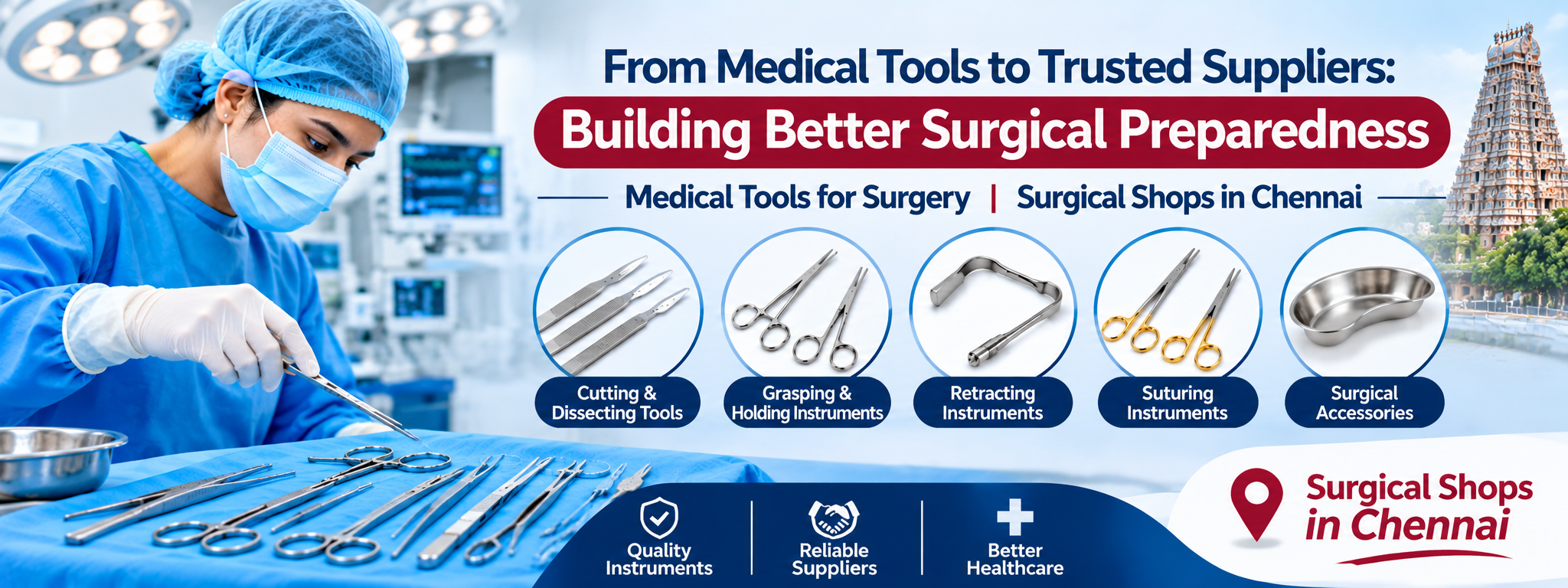

Surgical preparedness is an important part of delivering organised and efficient healthcare. Hospitals, clinics, and surgical centres depend on suitable medical instruments to support examinations, procedures, and patient care. Having the right tools available at the right time helps healthcare professionals prepare for different clinical requirements. Understanding the importance of Medical Tools for Surgery and choosing dependable suppliers can help healthcare facilities maintain an appropriate inventory of essential equipment.
Understanding Surgical Preparedness
Surgical preparedness involves more than preparing an operating room before a procedure. It includes selecting suitable instruments, maintaining equipment, checking product quality, and ensuring that essential supplies are available when required.
Healthcare facilities need a systematic approach to medical inventory management. This helps reduce unnecessary delays and supports the smooth coordination of surgical teams.
A well-prepared medical environment requires instruments that are appropriate for the procedure, properly maintained, and stored according to recommended guidelines.
Essential Medical Tools Used in Surgical Procedures
Different surgical procedures require different instruments. Each tool is designed to perform a specific function and support the surgeon during clinical work.
1. Cutting and Dissecting Instruments
Cutting and dissecting instruments are used to separate tissues or make precise incisions. Common examples include surgical scissors, scalpels, and specialised dissecting tools.
These instruments are available in different shapes and sizes depending on their intended application.
2. Grasping and Holding Instruments
Forceps and clamps are commonly used to hold tissues, secure materials, or assist with controlled handling during procedures.
Their design allows healthcare professionals to maintain a suitable grip while performing specific surgical tasks.
3. Retracting Instruments
Retractors help keep tissues away from the surgical area, allowing better visibility and access. They are available in different designs for various procedures.
4. Suturing Instruments
Suturing instruments support wound closure after surgical procedures. Needle holders and related tools help medical professionals handle surgical needles with appropriate control.
5. Specialised Surgical Instruments
Certain procedures require specialised instruments designed for particular anatomical areas or medical applications. Orthopedic, ENT, ophthalmic, and dental procedures may each require different instrument sets.
Selecting the correct tools depends on the procedure and the healthcare professional's requirements.
Why Medical Instrument Quality Matters
The quality of surgical instruments is an important consideration for hospitals and medical professionals. Instruments should be designed for their intended use and manufactured using suitable materials.
Several factors help determine instrument quality:
-
Material selection: Medical-grade stainless steel is commonly used for reusable surgical instruments because of its strength and corrosion resistance when properly maintained.
-
Precision design: Accurate construction supports controlled handling during procedures.
-
Durability: Suitable materials and manufacturing processes help instruments withstand regular clinical use.
-
Ergonomic features: Comfortable handles can support better handling during lengthy procedures.
-
Maintenance compatibility: Instruments should be suitable for the cleaning and sterilisation methods specified by the manufacturer.
Healthcare facilities should inspect instruments regularly and remove damaged or unsuitable equipment from service.
The Role of Surgical Shops in Chennai
Medical supply stores play an important role in helping healthcare facilities access essential surgical products. They provide a purchasing point for hospitals, clinics, laboratories, and medical professionals who require instruments and related supplies.
Reliable Surgical Shops in Chennai can help buyers explore different categories of medical equipment based on their clinical needs.
A suitable surgical shop may offer products such as:
-
General surgical instruments
-
Orthopedic instruments
-
ENT surgery instruments
-
Ophthalmic instruments
-
Diagnostic medical equipment
-
Medical consumables and accessories
Having access to a range of products can make procurement more convenient for healthcare facilities.
How to Choose a Reliable Surgical Shop
Selecting a suitable supplier requires careful evaluation. Buyers should consider more than product availability and price.
Check Product Specifications
Review the material, size, design, and intended application of each instrument before purchasing. Clear specifications help buyers select products that meet their clinical requirements.
Evaluate Product Quality
Choose instruments that are appropriately manufactured and suitable for their intended medical use. Quality should remain a priority when purchasing essential surgical equipment.
Consider Supplier Reliability
A dependable supplier should provide accurate product information and consistent purchasing support. Clear communication can help healthcare facilities manage their procurement requirements.
Review Maintenance Requirements
Reusable instruments require proper cleaning, sterilisation, and storage. Buyers should understand the manufacturer's maintenance instructions before selecting products.
Online Shopping and Medical Procurement
Online medical equipment shopping has made it easier for healthcare professionals to explore product categories and compare specifications.
A medical equipment online shop can provide convenient access to product information, purchasing details, and different instrument options. This can be useful for clinics and hospitals that need to replenish their inventory regularly.
However, buyers should verify product details and supplier reliability before placing an order. Medical equipment should always be selected according to its intended use and applicable requirements.
Maintaining a Well-Organised Surgical Inventory
Proper inventory management helps healthcare facilities maintain surgical preparedness. Instruments should be categorised, inspected, and stored in suitable conditions.
Regular inventory checks can help identify missing items, damaged instruments, and products that require replacement. Maintaining accurate records also supports better purchasing decisions.
Healthcare professionals should follow established procedures for instrument cleaning, sterilisation, and storage to preserve equipment quality.
Conclusion
Surgical preparedness depends on suitable medical instruments, proper maintenance, and dependable supply arrangements. From cutting and holding tools to specialised surgical equipment, every instrument has a specific role in clinical practice. By understanding the importance of Medical Tools for Surgery and sourcing appropriate products through reliable Surgical Shops in Chennai, healthcare facilities can maintain essential equipment and support organised surgical workflows.


