

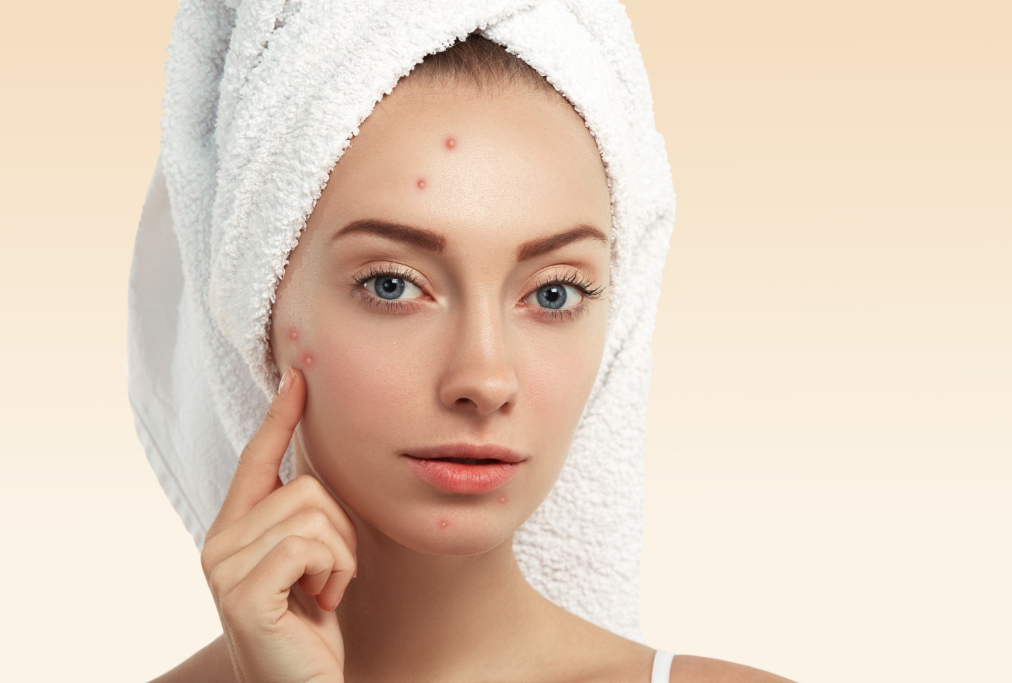
Acne Treatment in Manchester: Understanding Causes, Treatments, and Results

Acne is one of the most common skin concerns, affecting people of different ages and skin types. It can appear as blackheads, whiteheads, inflamed spots, or deeper blemishes, often developing on the face, chest, shoulders, and back. Although acne is frequently associated with adolescence, adults can also experience persistent or recurring breakouts.
Understanding the causes of acne is an important first step towards choosing suitable skincare and treatment options. With professional guidance and a consistent approach, it may be possible to improve the appearance of blemish-prone skin, manage breakouts, and support a clearer-looking complexion.
At SLA Medical Clinic, individuals can explore personalised skin treatment options based on their skin type, concerns, and aesthetic goals. This guide explains the common causes of acne, available treatment approaches, expected results, and factors that may influence treatment costs.
What Is Acne and How Does It Develop?
Acne is a skin condition that develops when hair follicles become blocked with oil, dead skin cells, and other debris. The skin naturally produces sebum, an oily substance that helps maintain moisture and protect the skin. However, excess sebum production can contribute to blocked pores and blemishes.
When pores become congested, different types of acne lesions may develop. These can range from small surface-level bumps to more noticeable inflamed spots.
Acne can affect the skin in several ways, including:
- Blackheads: Open pores containing trapped oil and dead skin cells.
- Whiteheads: Closed pores that appear as small, pale bumps.
- Papules: Small, raised, inflamed spots.
- Pustules: Inflamed blemishes that contain visible pus.
- Nodules: Larger, deeper lumps beneath the skin.
- Cystic acne: Deeper inflammatory lesions that may require specialist assessment.
The type and severity of acne can influence which treatment approach is most appropriate.
Common Causes of Acne
Acne does not usually develop because of one single factor. It can result from a combination of hormonal activity, excess oil production, blocked pores, genetics, and lifestyle influences.
Excess Sebum Production
Sebum helps keep the skin comfortable and moisturised. However, when the sebaceous glands produce too much oil, pores may become more easily congested.
People with naturally oily skin may notice frequent breakouts, particularly around the forehead, nose, chin, and cheeks. Managing excess oil without stripping the skin is an important part of an acne-focused skincare routine.
Blocked Hair Follicles
Dead skin cells naturally shed from the skin's surface. Sometimes, these cells combine with sebum and accumulate inside hair follicles. This can create blockages that develop into blackheads, whiteheads, and other acne lesions.
Gentle cleansing and suitable skincare ingredients can help support clearer-looking pores.
Hormonal Changes
Hormonal fluctuations can influence sebum production and contribute to acne. Breakouts may become more noticeable during puberty, menstrual cycles, pregnancy, or other periods of hormonal change.
Adults may also experience hormonal acne, which commonly appears around the lower cheeks, jawline, and chin.
Genetic Factors
Genetics can influence skin characteristics, including oil production, pore behaviour, and the likelihood of developing acne. Individuals with a family history of persistent acne may be more likely to experience similar concerns.
Lifestyle and Skincare Habits
Certain everyday habits may contribute to breakouts or make existing acne more noticeable. These can include using unsuitable skincare products, frequently touching the face, inadequate cleansing, and inconsistent skincare routines.
Some people also notice changes in their skin during periods of stress or disrupted sleep. Identifying individual triggers can help support a more effective skincare approach.
Different Types of Acne and Their Appearance
Understanding the type of acne affecting the skin can help determine which treatments may be suitable.
Comedonal Acne
Comedonal acne is mainly associated with blackheads and whiteheads. It develops when pores become blocked with sebum and dead skin cells.
This type of acne is often visible across the forehead, nose, and chin. Skincare products containing ingredients such as salicylic acid may help improve pore congestion when appropriate for the individual's skin.
Inflammatory Acne
Inflammatory acne includes red, raised blemishes such as papules and pustules. These spots may appear swollen and can affect the texture and overall appearance of the complexion.
A suitable treatment plan may focus on reducing visible inflammation, supporting clearer pores, and maintaining a balanced skincare routine.
Hormonal Acne
Hormonal acne is commonly associated with fluctuations in hormone levels. It may appear as recurring breakouts around the chin, jawline, and lower face.
Because hormonal influences can be complex, an individual assessment can help determine whether additional medical advice or a particular treatment approach may be appropriate.
Adult Acne
Adult acne can continue from adolescence or develop for the first time later in life. It may be influenced by hormonal changes, stress, skincare products, and other individual factors.
Adult skin may also have concerns such as dryness, uneven texture, or early signs of ageing. Treatment planning should therefore consider the overall condition of the skin rather than focusing only on individual blemishes.
Why Consider Professional Acne Treatment in Manchester?
Managing acne can be challenging, particularly when breakouts continue despite using everyday skincare products. Professional guidance can help identify the type of acne, understand contributing factors, and select an approach suited to individual skin concerns.
Choosing Acne Treatment In Manchester may be beneficial for people who want a more structured approach to improving blemish-prone skin.
A professional consultation can help with:
- Understanding the appearance and pattern of acne.
- Identifying possible contributing factors.
- Reviewing current skincare habits and products.
- Exploring suitable treatment options.
- Developing a personalised skincare plan.
- Supporting improvements in skin texture and overall appearance.
At SLA Medical Clinic, treatment recommendations can be considered according to individual skin needs and aesthetic goals.
Available Acne Treatment Options
Acne can vary significantly from person to person, so there is no single treatment that works for everyone. The most suitable approach depends on the type of acne, skin sensitivity, severity, and previous skincare experience.
Professional Skin Assessment
A skin assessment is an important starting point when considering acne treatment. It allows a practitioner to review the affected areas, understand the individual's concerns, and discuss suitable options.
The assessment may consider:
- Skin type and natural oil production.
- The location and appearance of breakouts.
- Whether acne is mainly comedonal or inflammatory.
- Existing skincare products and routines.
- Previous treatments and their results.
- Concerns such as uneven texture or post-acne marks.
This information can help guide a more personalised treatment plan.
Medical-Grade Skincare
Suitable skincare products can play an important role in managing acne-prone skin. Depending on the individual's needs, a routine may include ingredients designed to support clearer pores, improve surface texture, and maintain skin balance.
Common ingredients used in acne-focused skincare include:
- Salicylic acid: Helps exfoliate inside pores and manage congestion.
- Benzoyl peroxide: Commonly used in acne care to target acne-associated bacteria and inflammatory blemishes.
- Retinoids: Help regulate skin cell turnover and reduce pore blockage.
- Niacinamide: Supports the skin barrier and can help improve the appearance of excess oil and redness.
- Azelaic acid: May help with blemishes and uneven skin tone.
Not every ingredient is appropriate for every person. Product selection and frequency should be based on skin tolerance and professional advice where needed.
Chemical Peels for Acne-Prone Skin
Chemical peels use selected exfoliating ingredients to improve the appearance and texture of the skin. Depending on the formulation, they may help remove accumulated dead skin cells, improve the look of congested pores, and support a smoother complexion.
Some peels contain ingredients such as salicylic acid or glycolic acid, which are commonly used in professional skin treatments.
A practitioner can assess whether a chemical peel is suitable based on the individual's skin condition, sensitivity, and treatment goals. The strength and type of peel should be selected carefully.
Acne-Focused Facial Treatments
Professional facial treatments may be considered as part of a wider skincare plan. Depending on the method used, these treatments may focus on cleansing, gentle exfoliation, and improving the appearance of congested skin.
An acne-focused facial should be selected according to the individual's skin condition. A personalised approach can help avoid unnecessary irritation and support a balanced skincare routine.
Laser and Light-Based Skin Treatments
Certain laser and light-based technologies may be used in professional skin care to address selected acne-related concerns. Depending on the technology, treatment may focus on visible redness, skin texture, or other specific concerns.
Not every laser or light treatment is designed to treat active acne. Suitability depends on the device, skin type, acne presentation, and desired outcome.
A professional consultation is important before choosing this type of treatment.
Treatment for Post-Acne Marks and Uneven Texture
Even after active breakouts improve, some people continue to notice discolouration, uneven skin tone, or changes in skin texture.
The appropriate approach depends on the type of mark or texture concern. Options may include selected skincare ingredients, chemical peels, or other professional procedures where suitable.
It is important to distinguish between post-acne pigmentation and indented acne scars because they may require different treatment strategies.
How to Choose the Best Acne Treatment in Manchester
Finding the Best Acne Treatment In Manchester involves more than choosing a popular procedure. The most suitable option should address the individual's specific skin concerns and be appropriate for their skin type.
Understand Your Acne Type
Different forms of acne respond to different treatment approaches. For example, blackheads and whiteheads may require a focus on pore congestion, while inflammatory acne may need a different skincare or medical approach.
Understanding the type of acne can help prevent unnecessary treatments and support more targeted care.
Consider Your Skin Type
Oily, dry, combination, and sensitive skin can respond differently to acne treatments. Products that are too harsh may affect the skin barrier and make the complexion feel uncomfortable.
A personalised plan should consider both acne concerns and the skin's natural characteristics.
Look for Personalised Recommendations
A treatment plan should reflect individual needs rather than follow a standard routine for everyone. It may include professional procedures, suitable home skincare, or a combination of approaches.
At SLA Medical Clinic, individuals can discuss their concerns and explore treatment options based on their skin condition and desired results.
Understand the Treatment Process
Before choosing a procedure, it is helpful to understand how it works, how many sessions may be recommended, and what kind of improvements may be expected.
A clear treatment plan can help establish realistic expectations and encourage consistency with aftercare.
What Happens During an Acne Treatment Consultation?
A consultation provides an opportunity to discuss acne concerns and understand which treatment options may be appropriate.
Discussion of Skin Concerns
The appointment may begin with a conversation about when acne developed, which areas are affected, and whether breakouts occur regularly or occasionally.
The practitioner may also ask about previous treatments, current skincare products, and any particular concerns such as oily skin, redness, or uneven texture.
Skin Assessment
The skin is assessed to understand its condition and identify visible acne-related concerns. This may include examining blocked pores, inflamed blemishes, uneven skin tone, and texture changes.
Treatment Recommendations
Following the assessment, suitable options can be discussed. Recommendations may involve professional skin treatments, skincare adjustments, or referral for medical advice where appropriate.
Personalised Treatment Plan
The final plan should explain the proposed approach, expected treatment schedule, and relevant aftercare instructions. It should also take account of the individual's goals and preferences.
What Results Can You Expect from Acne Treatment?
Acne treatment results vary according to the type of acne, skin condition, treatment method, and consistency of care. Some people may notice gradual improvements in skin congestion and the appearance of blemishes, while others may require a longer-term approach.
Improved Appearance of Congested Pores
Treatments designed to support exfoliation and pore care may help improve the appearance of blackheads and whiteheads. Consistent skincare can also help maintain a clearer-looking complexion.
A More Balanced-Looking Complexion
A suitable acne-focused routine may help reduce the frequency of visible breakouts and support a more balanced appearance. Results depend on the underlying causes and how the skin responds to treatment.
Smoother-Looking Skin Texture
Some professional treatments and skincare ingredients can help improve the appearance of uneven surface texture. The degree of improvement depends on whether the concern relates to active acne, superficial marks, or deeper scarring.
Improved Appearance of Post-Acne Marks
Certain skincare products and professional procedures may help improve the appearance of post-acne discolouration over time. Dark marks and indented scars are different concerns, so treatment should be selected accordingly.
Long-Term Skin Maintenance
Acne can return even after visible improvement. Maintaining a suitable skincare routine and following professional recommendations may help support ongoing skin management.
How Long Does Acne Treatment Take to Show Results?
The time required to see improvements depends on the treatment method and the nature of the acne.
Some skincare products may take several weeks of consistent use before noticeable changes appear. Professional treatments may also require multiple sessions, depending on the individual's skin condition and goals.
Factors that can influence the timeline include:
- The type and severity of acne.
- The treatment method selected.
- Individual skin sensitivity and response.
- Consistency with recommended skincare.
- Hormonal and lifestyle influences.
- Whether the treatment is addressing active acne or post-acne marks.
It is important to follow the recommended schedule and allow sufficient time to evaluate progress.
Understanding Acne Treatment Cost In Manchester
The Acne Treatment Cost In Manchester can vary depending on the treatment selected, the condition of the skin, and the number of sessions recommended.
Some individuals may benefit from a straightforward skincare plan, while others may require a combination of professional procedures and ongoing maintenance.
Factors That Influence Treatment Costs
Several factors may contribute to the overall cost of acne treatment.
Type of Treatment: Different procedures and skincare approaches have different costs. A professional facial, chemical peel, and advanced skin procedure may each have a different pricing structure.
Number of Sessions: Some treatments are performed as a single appointment, while others may involve a course of sessions.
Skin Condition: The nature of the acne and any additional concerns, such as uneven texture or post-acne marks, may influence the recommended plan.
Products and Aftercare: Suitable home skincare products may form part of the overall approach and can contribute to the total cost.
Personalised Treatment Plan: The final cost depends on the options recommended following an assessment.
Why a Consultation Is Important for Pricing
An initial consultation can help establish which treatment options are appropriate and provide a clearer understanding of the expected costs.
At SLA Medical Clinic, individuals can discuss their skin concerns and ask about available treatment options and pricing before proceeding.
Rather than choosing a treatment based only on price, it is useful to consider whether the approach is suitable for the skin and aligned with the desired outcome.
Daily Skincare Tips for Acne-Prone Skin
Professional treatment can be supported by a consistent home skincare routine. Simple habits may help maintain skin comfort and reduce unnecessary pore congestion.
Cleanse Gently
Cleanse the face using a gentle product suited to the skin type. Avoid excessive washing or harsh scrubbing, as these habits may irritate the skin.
Use Non-Comedogenic Products
Look for skincare and makeup products labelled non-comedogenic, meaning they are formulated to be less likely to block pores.
Moisturise Regularly
Even oily and acne-prone skin needs hydration. A lightweight moisturiser can help maintain the skin barrier without adding an unnecessarily heavy feel.
Apply Daily Sun Protection
Use a broad-spectrum sunscreen suitable for your skin type. Sun protection is particularly important when using exfoliating ingredients or treatments that may increase sensitivity to sunlight.
Avoid Picking or Squeezing Spots
Picking at blemishes can irritate the skin and may contribute to visible marks. Allowing spots to heal naturally is generally a better approach.
Maintain a Consistent Routine
Frequently changing products can make it difficult to understand what works for the skin. A simple, consistent routine is often easier to maintain and evaluate.
Acne Treatment for Different Age Groups
Acne can affect people at different stages of life, and treatment should reflect the individual's skin needs.
Teenage Acne
Teenage acne is commonly associated with hormonal changes during puberty. Increased sebum production can contribute to blocked pores and breakouts.
A gentle skincare routine and suitable treatment recommendations can help teenagers manage blemish-prone skin.
Adult Acne
Adult acne may develop due to hormonal fluctuations, stress, skincare habits, or other factors. It can occur even in people who did not experience significant acne during adolescence.
Treatment should consider the skin's current condition, including any signs of dryness, sensitivity, or uneven texture.
Persistent Acne
Some individuals experience recurring acne over many years. In these cases, professional assessment can help determine whether a skincare-based approach is sufficient or whether medical evaluation is needed.
Persistent, painful, or deep acne may benefit from assessment by an appropriately qualified healthcare professional.
Acne Treatment and Post-Acne Scarring
Acne marks and acne scars are not the same. Post-acne marks are often areas of discolouration that remain after a blemish has healed. Acne scars involve changes in the skin's texture or structure.
Post-Acne Pigmentation
Dark or reddish marks may remain after acne has settled. These marks can gradually become less noticeable, although the timeline varies.
Skincare ingredients and selected professional treatments may help improve the appearance of uneven skin tone.
Indented Acne Scars
Some forms of acne can leave depressions or uneven areas in the skin. These concerns may require specialist assessment to determine which procedures, if any, are suitable.
Treatments for scarring are different from treatments designed to manage active breakouts, so it is important to identify the concern correctly.
Why Choose SLA Medical Clinic for Acne Treatment?
Choosing a suitable clinic is an important part of approaching acne care. Individuals should feel comfortable discussing their concerns and understanding the treatment options available to them.
SLA Medical Clinic provides an opportunity to explore personalised aesthetic and skin treatment options based on individual concerns.
When considering acne care, important factors include:
- A consultation-led approach.
- Recommendations based on individual skin needs.
- Clear information about treatment options.
- Guidance on expected results and treatment schedules.
- Advice about suitable skincare and aftercare.
- Transparent discussion of treatment costs.
A personalised approach can help individuals make informed decisions about their skincare goals.
Frequently Asked Questions About Acne Treatment in Manchester
What is the most suitable treatment for acne?
The most suitable treatment depends on the type and severity of acne, skin type, and individual concerns. Options may include medical-grade skincare, chemical peels, professional facials, or other treatments where appropriate. A consultation can help identify a suitable approach.
Can acne be treated permanently?
There is no universal treatment that guarantees acne will never return. Acne may be influenced by hormones, genetics, and other factors. However, an appropriate treatment and maintenance routine may help manage breakouts and support clearer-looking skin.
Is acne treatment suitable for sensitive skin?
Some acne treatments can be adapted for sensitive skin, but product selection and treatment strength are important. A professional assessment can help determine which options may be suitable.
How many acne treatment sessions are needed?
The number of sessions depends on the treatment selected and the individual's skin condition. Some approaches may involve one appointment, while others may require a course of treatments.
Can acne treatments improve dark spots?
Some skincare ingredients and professional procedures may help improve the appearance of post-acne dark spots. The best approach depends on the type of pigmentation and the individual's skin tone and sensitivity.
Does acne treatment help with acne scars?
Treatments for active acne and treatments for established scars are different. Certain procedures may improve the appearance of selected scars, but suitability depends on scar type and skin condition.
What is the difference between acne and hormonal acne?
Acne is a general term for blemishes that develop when pores become blocked and inflamed. Hormonal acne is influenced by changes in hormone levels and may commonly affect the chin, jawline, and lower face.
How much does acne treatment cost in Manchester?
The cost depends on the procedure, number of sessions, skincare products, and individual treatment plan. A consultation can provide a clearer estimate based on the recommended approach.
Can I use skincare products while receiving professional acne treatment?
In many cases, a suitable home skincare routine can support professional treatment. However, certain active ingredients may need to be adjusted depending on the procedure and skin sensitivity. Follow the aftercare instructions provided by your practitioner.
When should I seek professional advice for acne?
Consider seeking professional advice if breakouts are persistent, painful, recurring, or affecting your confidence. Deep acne or acne that leaves noticeable scars may require assessment by an appropriately qualified healthcare professional.
Take the Next Step Towards Clearer-Looking Skin
Managing acne starts with understanding your skin and choosing an approach that addresses its individual needs. From blocked pores and excess oil to hormonal breakouts and post-acne marks, different concerns may require different treatment strategies.
With suitable skincare, professional guidance, and realistic expectations, it may be possible to improve the appearance of blemish-prone skin and maintain a healthier-looking complexion.
If you are considering Acne Treatment in Manchester, SLA Medical Clinic can be a starting point for discussing your skin concerns and exploring personalised treatment options. Arrange a consultation to learn more about the available approaches, expected results, and Acne Treatment Cost In Manchester.


