

Metal surfaces often develop rust due to moisture, oxygen, and prolonged exposure to environmental conditions. Rust can affect the appearance, durability, and performance of metal components, making regular cleaning essential in many industries. Traditional cleaning methods may require chemicals, abrasive materials, or extensive manual labor. Modern laser technology offers a more controlled approach to removing rust from different metal surfaces.
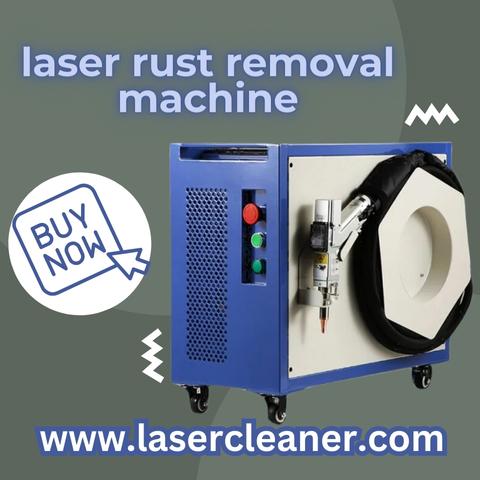
A laser rust removal machine is an advanced industrial cleaning solution that uses concentrated laser energy to remove rust, oxidation, paint, and other unwanted contaminants from metal surfaces. It is increasingly used in manufacturing plants, automotive workshops, metal fabrication facilities, and industrial maintenance operations.
How Does Laser Rust Removal Technology Work?
Laser rust removal technology works by directing a high-energy laser beam onto a contaminated surface. When the laser interacts with the rust layer, the accumulated material absorbs the energy and separates from the underlying metal through a process known as laser ablation.
The machine can be configured with different power levels and cleaning parameters depending on the material, rust thickness, and cleaning requirements. Operators can adjust the scanning speed, laser frequency, and beam settings to achieve the desired cleaning results.
This process allows manufacturers to clean specific areas without relying on traditional abrasive blasting or chemical treatments.
Industrial Applications of Laser Rust Cleaning
Rust removal is an important part of maintaining equipment and preparing metal components for further processing. Laser cleaning technology is suitable for various industrial applications.
Automotive Industry: Automotive manufacturers and repair workshops use laser cleaning to remove corrosion from vehicle frames, engine components, metal panels, and other parts before maintenance or refinishing.
Metal Fabrication: Fabrication companies use laser cleaning to prepare metal surfaces before welding, painting, and coating. Proper surface preparation helps improve the consistency of subsequent manufacturing processes.
Shipbuilding and Marine Equipment: Marine environments expose metal structures to moisture and salt, increasing the risk of corrosion. Laser cleaning can be used for targeted maintenance of metal components and equipment.
Industrial Machinery: Manufacturing equipment, metal molds, mechanical components, and industrial tools can accumulate rust during storage and operation. Laser technology provides a controlled cleaning method for these applications.
Choosing the Right Laser Rust Removal Machine
Selecting suitable equipment requires understanding the cleaning requirements of your business. Different machines are designed for different workloads, surface conditions, and industrial environments.
Laser power is one of the most important considerations. Lower-power systems may be suitable for light rust and precision cleaning, while higher-power machines are generally selected for heavier contamination and larger industrial projects.
You should also consider whether a continuous-wave or pulsed laser system is more appropriate. Continuous-wave systems are commonly used for faster cleaning operations, while pulsed systems offer greater control when working with delicate surfaces or applications requiring lower heat input.
Other important considerations include cooling systems, scanning width, control interfaces, portability, maintenance requirements, and technical support from the manufacturer.
Safety and Maintenance Considerations
Operating laser cleaning equipment requires proper training and suitable protective measures. Industrial laser systems can produce hazardous laser radiation, so operators should use appropriate wavelength-rated protective eyewear, safety enclosures, warning signs, and controlled working areas.
Adequate ventilation and fume extraction are also important because removing rust, paint, and coatings can release airborne particles and potentially hazardous substances.
Regular maintenance should include inspecting optical components, cleaning protective lenses according to manufacturer instructions, checking cooling systems, and examining cables and connections. Following the recommended maintenance schedule helps maintain consistent equipment performance.
Why Businesses Are Adopting Laser Cleaning
Industrial companies are increasingly exploring laser cleaning as part of their surface preparation and maintenance processes. Its ability to target specific contaminated areas makes it suitable for applications where controlled cleaning is important.
As manufacturing requirements continue to evolve, businesses are looking for equipment that supports accurate processing, consistent results, and efficient production workflows. Laser cleaning technology provides another option for companies seeking modern solutions for metal surface treatment.
Final Thoughts
A laser rust removal machine provides an advanced approach to dealing with corrosion and surface contamination across multiple industries. From automotive maintenance and metal fabrication to industrial machinery and marine applications, this technology supports controlled and precise metal cleaning. Before investing, businesses should evaluate their material types, cleaning volume, required laser power, and workplace safety requirements to select equipment that matches their operational needs.


