

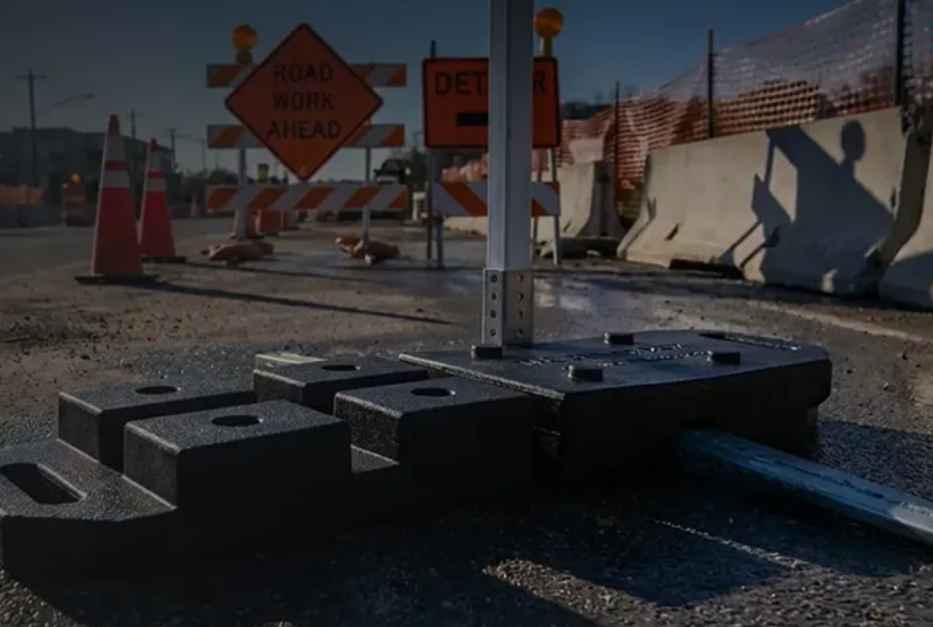
Why Sandbags Fail on Job Sites and Why Rubber Weights Are a Better Solution

Construction sites, roadwork areas, and outdoor work zones require dependable equipment to maintain safety and stability. Temporary signs, barriers, traffic control devices, and other materials must remain securely positioned throughout the workday. However, many job sites still rely on traditional sandbags to hold equipment in place. Although sandbags may seem like an affordable and convenient option, they often fail to provide the reliability needed in demanding working conditions.
Understanding why sandbags fail on job sites can help contractors, construction managers, and safety professionals make better decisions about securing their equipment. Modern alternatives, including durable rubber weights, offer practical advantages that can improve stability, reduce maintenance, and simplify daily operations. Working with a reliable rubber weights supplier can also help businesses find products designed for their specific job site requirements.
Understanding Why Sandbags Fail on Job Sites
Sandbags are commonly used because they are inexpensive, widely available, and relatively easy to transport. However, their performance can become unreliable when exposed to changing weather conditions and repeated handling.
One major problem is that traditional sandbags are vulnerable to moisture. Rainwater can seep through their outer material, making them heavier and more difficult to handle. Over time, moisture may also weaken the bag, allowing sand to escape and reducing its effectiveness.
Another concern is inconsistent weight distribution. Sand inside a bag can shift during transportation or when the bag is placed on an uneven surface. This movement may create an unstable foundation, particularly when sandbags are used to support temporary signs or lightweight traffic equipment.
These limitations explain why sandbags fail on job sites where dependable equipment positioning is essential.
Weather Conditions Can Reduce Sandbag Performance
Outdoor construction environments expose equipment to rain, wind, sunlight, dust, and temperature changes. Sandbags may not perform consistently under these conditions.
During heavy rainfall, fabric sandbags can absorb water and become saturated. This can make them difficult to move while increasing the possibility of tearing. When temperatures fluctuate, repeated exposure to moisture and environmental conditions can gradually weaken the bag's material.
Wind is another important consideration. Temporary signs and traffic control devices can experience strong forces during storms or in exposed work areas. If the supporting sandbag shifts, loses material, or becomes uneven, the equipment may become unstable.
Rubber weights offer a more weather-resistant alternative when properly selected for the application. Their solid construction eliminates the loose filling associated with traditional sandbags and provides consistent weight for securing compatible equipment.
Sandbags Require More Maintenance and Replacement
Another disadvantage of sandbags is the amount of maintenance they may require. Construction crews frequently need to inspect them for leaks, damaged fabric, missing sand, and other signs of wear.
A damaged sandbag may need to be repaired or replaced before it can be used again. Spilled sand can also create unnecessary cleanup work around the job site. When multiple sandbags are used across different work areas, these small maintenance tasks can consume valuable employee time.
Transportation and storage can create additional challenges. Wet sandbags are heavier, while damaged bags may release sand inside storage vehicles or equipment areas.
Businesses can reduce these inconveniences by choosing durable alternatives designed for repeated use. A knowledgeable rubber weights supplier can help contractors identify suitable products based on equipment compatibility, required weight, and expected working conditions.
Why Rubber Weights Offer Better Stability
Rubber weights are designed to provide dependable weight without relying on loose materials contained inside fabric bags. Their solid construction helps maintain consistent weight distribution during normal handling and use.
This makes them useful for various applications involving temporary signs, traffic control equipment, barriers, and other compatible worksite products.
Unlike sandbags, rubber weights do not depend on sand remaining inside an outer fabric enclosure. This eliminates problems associated with leaking material, shifting contents, and moisture absorption.
Their shape and design can also make positioning easier. Depending on the product, rubber weights may feature openings, slots, or other design elements that allow them to work with compatible equipment.
For contractors who regularly install and reposition temporary equipment, these features can help make daily operations more convenient.
The Importance of Choosing the Right Rubber Weights Supplier
Not all job sites have identical requirements. A small road maintenance project may need different equipment weights than a large construction site or highway work zone.
Choosing an experienced rubber weights supplier is therefore an important part of finding an appropriate solution. Contractors should consider product durability, weight specifications, dimensions, material quality, and compatibility with their existing equipment.
A dependable supplier should offer clear product information so customers can understand how different options are intended to be used.
It is also helpful to consider whether the supplier offers multiple weight options. Different applications may require different levels of support, depending on the size of the equipment and the environmental conditions.
Businesses should avoid selecting products based only on price. A low-cost product that does not meet the required specifications may create additional replacement expenses or compromise equipment stability.
Reducing Job Site Waste and Improving Organization
Construction sites generate different types of waste, and damaged sandbags can contribute to unnecessary disposal. Torn bags, spilled sand, and moisture-damaged materials may need frequent replacement.
Reusable rubber weights can help reduce this type of material waste. Their durable construction makes them suitable for repeated handling when maintained according to the manufacturer's recommendations.
Storage is another consideration. Rubber weights can often be stacked or organized according to their design, making it easier for crews to manage equipment between projects.
Better organization can improve workflow by helping workers locate the appropriate equipment when setting up temporary work areas.
Although rubber weights may have a higher initial purchase price than basic sandbags, their potential for repeated use can make them a practical long-term investment.
Applications Where Rubber Weights Can Be Useful
Rubber weights are suitable for a variety of applications, depending on their specifications and compatibility.
Some common uses include:
- Temporary traffic signs: Providing additional weight to compatible sign stands.
- Construction barriers: Helping stabilize equipment designed to accept external weights.
- Road maintenance projects: Supporting temporary traffic control setups.
- Outdoor work zones: Offering reusable weighting options for compatible equipment.
- Event and facility operations: Securing certain temporary installations and equipment.
Before using any weighting product, contractors should confirm that its specifications meet the equipment manufacturer's requirements and applicable safety standards.
Making Job Sites Safer With Better Equipment Choices
Worksite safety depends on more than employee training and protective equipment. The quality and condition of temporary equipment also play an important role.
Unstable signs and improperly secured barriers can create hazards for workers, drivers, and pedestrians. Regular inspections and appropriate equipment selection help reduce these risks.
Replacing worn-out sandbags with properly specified rubber weights may improve consistency and simplify equipment management. However, no weighting product should be considered a substitute for following manufacturer instructions, traffic control plans, and applicable safety regulations.
Contractors should also inspect rubber weights regularly for cracks, excessive wear, or other damage that could affect their performance.
Conclusion
Understanding why sandbags fail on job sites helps construction professionals recognize the limitations of traditional weighting methods. Moisture absorption, shifting sand, damaged fabric, inconsistent weight distribution, and frequent replacement can make sandbags less practical for demanding outdoor applications.
Rubber weights provide a durable and reusable alternative for many temporary equipment applications. They offer consistent weight, convenient handling, and reduced concerns about leaking sand or damaged fabric.
Finding the right rubber weights supplier allows contractors and businesses to select products that match their equipment and project requirements. By investing in suitable weighting solutions, construction teams can improve worksite organization, reduce unnecessary maintenance, and support more reliable equipment setups.


