

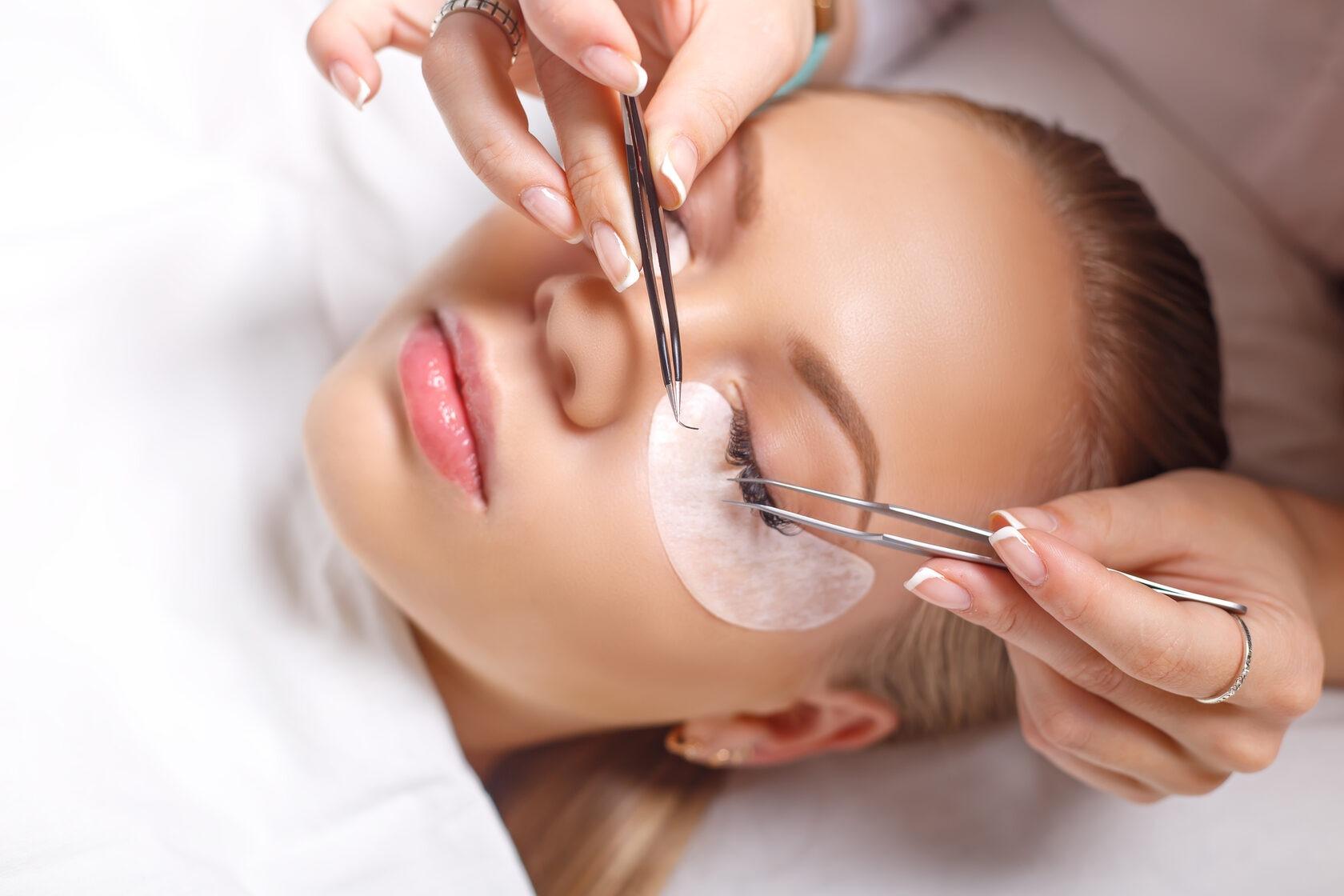
Eyelash Hair Transplant in Dubai: What to Expect From Consultation to Results

Eyelash Hair Transplant in Dubai: What to Expect From Consultation to Results
Thinning eyelashes can change the way the whole face looks. The eyes may seem less defined, and make-up routines that once took minutes can start to take much longer. For some people the cause is years of over-plucking or extensions; for others it is illness, injury, scarring or simply ageing. When serums and cosmetic options no longer feel like enough, a surgical option may come into view. Eyelash Hair Transplant in Dubai is a procedure in which tiny hair follicles, usually taken from the back of the head, are placed along the eyelid so that lashes can grow back more densely over time.
Knowing what the journey actually involves — from the first consultation to the final result a year later — helps patients decide whether it is right for them. This guide walks through each stage in order, explains what is normal at each point, and sets out the honest limits of the procedure.
The First Consultation
Everything begins with a consultation, and it should be a thorough one. The surgeon examines the eyelids, the remaining lashes, the skin around the eyes and the donor area at the back of the head. They will ask about the history of the thinning: when it started, whether it came on suddenly or gradually, what treatments have already been tried, and whether there is any relevant medical history, such as a skin condition, an autoimmune problem, thyroid trouble or medication use.
This conversation matters because not every case of lash loss suits a transplant. If the cause is still active — for example, an untreated skin condition, ongoing inflammation or a habit of pulling at the lashes — a transplant is unlikely to succeed until that cause is addressed. A responsible surgeon will say so, and may suggest medical treatment or a period of observation first. Patients should be wary of any consultation that moves quickly to booking a date without this kind of assessment.
The consultation is also the time to discuss expectations. The eyelid is a small area, and only a limited number of grafts can be placed safely in one session. The surgeon should explain what density is realistic, how the lash line will be shaped, and what the new lashes are likely to look like. Because the transplanted hairs come from the scalp, they will grow like scalp hair and need regular trimming, and their texture and curl may differ slightly from natural lashes. These points should be discussed openly before any decision is made.
Patients should ask about the surgeon's experience with eyelash procedures specifically, not only with scalp transplants, since the two demand different skills. It is reasonable to ask how many eyelash cases the surgeon has performed and whether before-and-after photographs of eyelash cases can be shown.
Who Is a Suitable Candidate?
Suitability depends on several factors, and a good assessment weighs them all. The donor area needs enough fine hair to supply the grafts, and the eyelid skin needs to be healthy enough to accept them. People with scarring on the eyelid may still be candidates, but the surgeon should discuss how scarring can affect graft survival and what that means for the expected result.
Age is not usually a barrier on its own, but expectations should be realistic at any age. Patients with localised loss from plucking or trauma often have the clearest prospects, while people with widespread medical hair loss may need the underlying condition treated first. Patients should also be comfortable with a slow result, judged at around a year.
Certain situations call for extra caution. Active eye infections, uncontrolled skin conditions affecting the eyelids, and some medical conditions may mean the procedure should be postponed or avoided. Patients should disclose all medical conditions, eye problems, medication use and allergies at the consultation, and should ask directly whether anything in their history affects their suitability.
How the Procedure Works
An eyelash transplant generally uses follicular unit extraction, adapted for the eyelid. Individual follicular units are harvested one by one from the donor area, usually at the back of the head, where the hair tends to be finer and better suited to lashes. Each graft, often containing one or two hairs, is then placed into a tiny recipient site along the upper eyelid, following the natural direction and curl of the existing lashes. In some cases the lower lashes may also be addressed, but the upper lid is the usual focus.
On the day of the procedure, local anaesthesia is used, sometimes with mild sedation. The donor area is prepared, the anaesthetic is applied, and harvesting begins under magnification. The grafts are kept in a suitable solution and prepared one by one while the recipient sites are created. Placement is the most delicate part of the day: the surgeon creates tiny sites along the eyelid at the correct angle and direction, then places each graft with fine instruments, balancing density against the risk of damaging the eyelid or the existing lashes.
Harvesting and placement together usually take a few hours, and the number of grafts is modest compared with a scalp transplant, because the eyelid cannot safely hold as many. Patients should arrange for someone to accompany them home afterwards, since the eye area will be tender and vision may feel slightly blurred for a short time.
The First Days After the Procedure
The first week is when most of the visible recovery happens. Swelling and bruising around the eye are common in the first few days, and the eyelid may feel tender and tight. Cold compresses, as advised by the team, can help with comfort, and any medication prescribed should be taken as directed. Rubbing the eyes should be avoided completely, and eye make-up, contact lenses and swimming should be put aside for the period the team advises.
Sleeping with the head slightly raised for the first few nights can help reduce swelling. Patients should also avoid strenuous exercise and heavy lifting in the first week, and should keep the eye area clean exactly as instructed. Small crusts may form around the grafts; these should be left alone rather than picked at, since disturbing them can dislodge a graft.
A follow-up appointment is usually arranged within the first week so the team can check healing. Patients should raise any concerns at this visit, such as unusual pain, increasing redness, discharge or vision changes, and should know how to contact the team promptly between visits.
Shedding, Regrowth and the Waiting Period
One of the hardest parts of the process is that the transplanted lashes usually shed within the first few weeks. This is expected and does not mean the procedure has failed: the follicles remain in place, and new hairs begin to grow from them after three to four months. Patients who are not warned about this shedding can understandably feel anxious, which is why it should be discussed clearly before the procedure.
Growth after that point is gradual. The new lashes appear fine at first and gain length and density over the following months. Fuller results are usually visible after nine to twelve months, and the final result should be judged at around a year. During this period, regular review appointments allow the team to check progress and answer questions. Patients should ask at the outset how many review appointments are included and over what period.
Because the transplanted hairs grow like scalp hair, they will keep growing and will need regular trimming. This is a permanent part of life after an eyelash transplant, and patients should be comfortable with the idea of trimming the new lashes carefully as they grow. The curl and texture may also differ slightly from natural lashes.
What Results Can Realistically Be Expected?
An eyelash transplant can improve lash density for suitable patients, but it cannot recreate the exact appearance of natural lashes. The result depends on the donor hair, the number of grafts that can be placed safely, the condition of the eyelid, and how the area heals. No provider can guarantee a particular density, length or curl, and patients should treat any such promise with caution.
It is also worth understanding that a single session may not achieve everything a patient hopes for. The eyelid can only hold a limited number of grafts, so a second session is sometimes discussed after the first has grown through, usually a year later. This should be presented as a possibility at the consultation, not as a surprise afterwards, and patients should ask about the likely need for further work before committing.
The best outcomes come from a combination of factors: a surgeon with specific eyelash experience, a careful assessment, a realistic plan for the lash line, good aftercare, and patience during the months of regrowth. Patients who go in with a clear picture of the timeline and the limits tend to be the most satisfied with the result.
How to Choose a Provider
Choosing a provider for this procedure deserves more care than choosing one for a routine cosmetic treatment, because the work is so delicate and the area so sensitive. The individual surgeon matters more than any brand or reputation: patients should ask how many eyelash procedures the surgeon has performed, how the lash line is planned, and whether they can see eyelash results specifically.
The consultation itself is a useful test. A proper consultation examines the eyelids and the donor area, discusses the cause of the thinning, and considers whether medical treatment should come first. A consultation that rushes to a date without examining the eyelids is a warning sign, and so is any pressure to book quickly.
Safety and hygiene standards should be confirmed in advance. The procedure should take place in a proper clinical setting with clear protocols, and patients should be told about potential side effects, such as swelling, bruising, infection, ingrown hairs or misdirected growth, and about the signs that mean they should contact the team promptly. Aftercare matters just as much: patients should receive clear written instructions, a schedule of review appointments, and a clear route for raising concerns between visits.
Finally, patients should compare the honesty of the advice they receive. A provider that explains the shedding phase, the year-long timeline, the need for trimming and the limits of density is giving the kind of information that leads to a good decision. A provider that promises a particular look or a quick result is not.
Frequently Asked Questions
What happens at the first consultation?
The surgeon examines the eyelids, the remaining lashes, the skin and the donor area, and discusses the cause of the thinning and the patient's expectations. The cause matters: if it is still active, it may need treatment before any transplant is planned. Patients should also ask about the surgeon's eyelash experience and what density is realistic.
Does the procedure hurt?
Local anaesthesia is used, so the procedure itself is usually described as uncomfortable rather than painful. Swelling, tenderness and bruising around the eye are common for several days afterwards and usually settle with the aftercare provided.
Why do the new lashes fall out after the procedure?
The transplanted lashes usually shed within the first few weeks, which is expected. The follicles remain in place, and new growth typically begins after three to four months, with fuller results visible after nine to twelve months. The final result should be judged at around a year.
Will I need more than one session?
Most patients have one session, but this depends on the extent of thinning and the donor supply. The eyelid can only hold a limited number of grafts, so a second session may be discussed after the first has grown through, usually a year later. The surgeon should raise this possibility at the consultation.
Will the new lashes need special care?
Yes. Because the transplanted hairs grow like scalp hair, they will need regular trimming, and their curl and texture may differ slightly from natural lashes. Patients should follow the aftercare instructions given, avoid rubbing the eyes in the early weeks, and attend the scheduled review appointments.
Conclusion
An eyelash transplant is a slow journey rather than a quick fix. It begins with a careful consultation, moves through a delicate procedure and a week of recovery, then enters months of shedding and gradual regrowth before the result can fairly be judged. Understanding each stage in advance — and knowing what is normal at each point — makes the process far less stressful and leads to better decisions.
When exploring Eyelash Hair Transplant, patients should look for a surgeon with specific eyelash experience, a thorough consultation, honest discussion of the timeline and the limits, and reliable follow-up over the months it takes for results to appear. With the right provider and realistic expectations, a transplant can be a structured and supported way to work towards fuller-looking lashes.


