

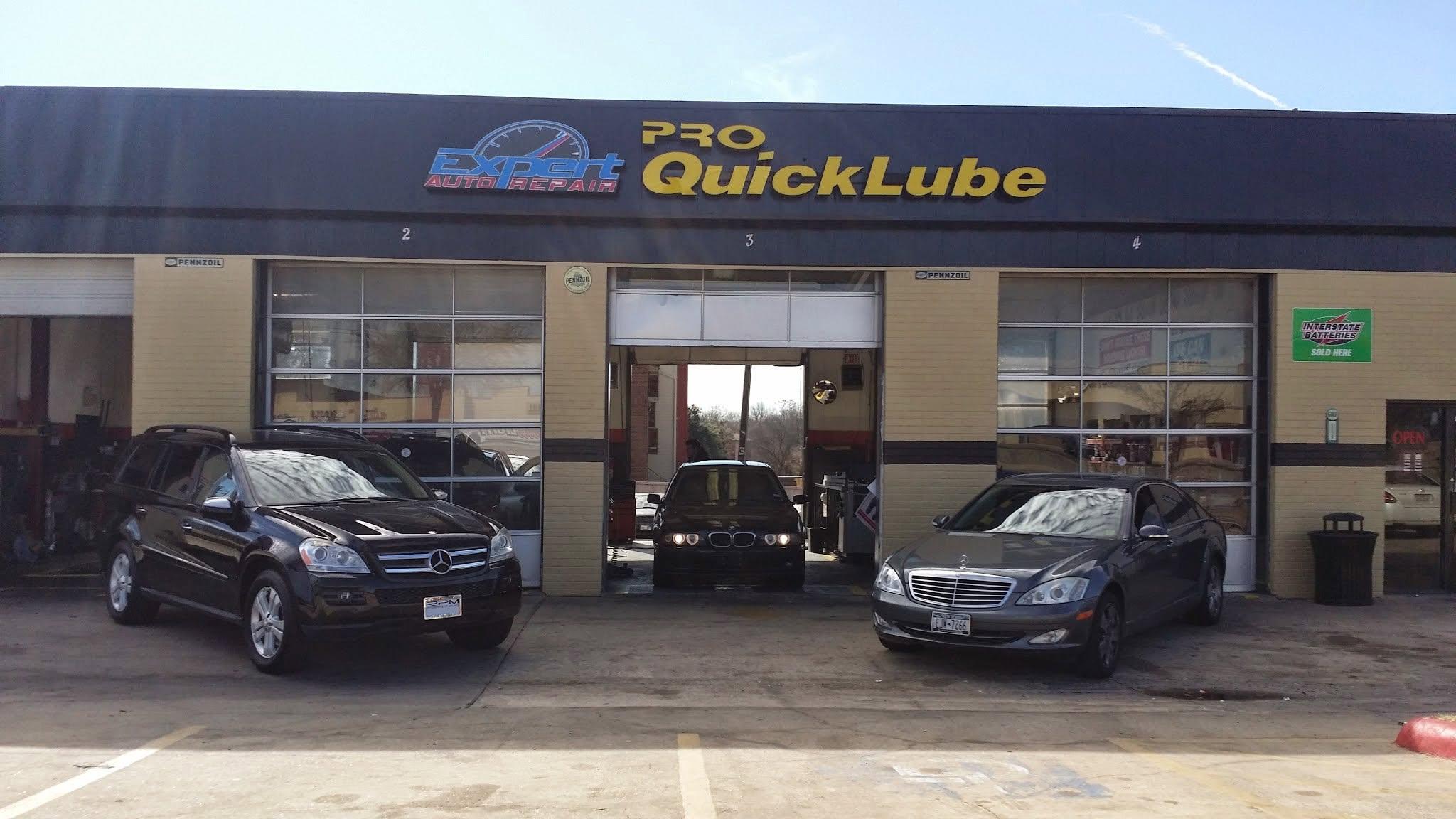

Owning a vehicle comes with the responsibility of keeping it in good working condition. Daily driving, changing weather, heavy traffic, and long-distance travel can gradually affect different automotive components. Without proper care, small mechanical issues may develop into expensive repairs. Regular vehicle maintenance helps drivers protect their investment, improve safety, and enjoy more dependable performance.
A consistent maintenance routine is important for every type of vehicle. Whether someone drives a family car, a daily commuter, or a larger vehicle for business purposes, preventive servicing can make a significant difference in its overall condition.
Why Routine Vehicle Maintenance Matters
Every vehicle contains several systems that work together to provide safe and reliable transportation. The engine, transmission, braking system, suspension, cooling system, and electrical components all require regular attention.
Over time, engine oil becomes contaminated, filters collect dirt, tires experience uneven wear, and mechanical parts gradually lose their effectiveness. Ignoring these changes can affect fuel efficiency, handling, and overall performance.
Routine maintenance allows technicians to inspect important components and identify developing concerns. Addressing minor issues early can reduce the likelihood of unexpected breakdowns and help prevent additional damage.
Essential Maintenance Services Every Vehicle Needs
A complete maintenance routine involves several services. The exact schedule depends on the vehicle's age, mileage, driving habits, and manufacturer's recommendations.
Engine Oil and Filter Replacement
Engine oil lubricates moving components, reduces friction, and helps control heat. As the oil ages, it collects contaminants and may lose its ability to protect the engine effectively.
Replacing engine oil and filters at the recommended intervals helps maintain proper lubrication. Drivers should always use the oil grade specified by the vehicle manufacturer.
Brake System Inspection
The braking system is directly connected to road safety. Brake pads, rotors, calipers, and brake fluid should be inspected regularly to ensure proper operation.
Squealing noises, grinding sounds, vibrations, or changes in pedal response may indicate a problem. Having these symptoms checked promptly can help maintain reliable stopping performance.
Tire Rotation and Pressure Checks
Tires influence traction, steering response, and braking distance. Incorrect tire pressure and uneven tread wear can affect vehicle handling and reduce tire lifespan.
Regular pressure checks, tread inspections, and tire rotations help maintain balanced performance. Wheel alignment should also be evaluated when the vehicle pulls to one side or shows uneven tire wear.
Battery and Electrical System Testing
A vehicle battery provides the power needed to start the engine and operate electrical systems. Extreme temperatures, aging, and charging problems can reduce battery performance.
Technicians can test battery condition, inspect connections, and evaluate the charging system. These checks help identify potential starting problems before they cause unexpected inconvenience.
Fluid Level and Condition Checks
Vehicles rely on several fluids to operate correctly. Coolant, transmission fluid, brake fluid, and power steering fluid all serve important purposes.
Checking fluid levels and condition helps identify leaks, contamination, and possible mechanical concerns. Fluid replacement should follow the manufacturer's recommended service intervals.
Warning Signs Your Vehicle Needs Attention
Many automotive problems begin with small changes that drivers may overlook. Recognizing these symptoms can help prevent more serious mechanical concerns.
Some common warning signs include:
-
Dashboard warning lights that remain illuminated.
-
Unusual engine or transmission noises.
-
Reduced fuel efficiency.
-
Difficulty starting the vehicle.
-
Vibrations during acceleration or braking.
-
Steering problems or uneven tire wear.
-
Fluid leaking underneath the vehicle.
-
Unusual smells while driving.
These symptoms can have different causes, so a professional inspection is the best way to determine what needs attention.
How Driving Conditions Affect Vehicle Maintenance
Driving habits and road conditions influence how frequently a vehicle needs servicing. Frequent stop-and-go traffic places additional demands on brakes, transmissions, and engine components. Long commutes can increase overall mileage, while hot weather may put extra stress on batteries, cooling systems, and tires.
Drivers who regularly travel through congested areas may need to pay closer attention to certain maintenance items. Short trips and repeated cold starts can also affect engine operating conditions.
Following the manufacturer's maintenance schedule while considering actual driving habits helps create a more effective service plan.
Benefits of Preventive Automotive Care
Preventive maintenance is not simply about replacing parts. It is about keeping vehicle systems in suitable condition and identifying possible problems before they become more complicated.
Some important benefits include:
Improved Reliability: Routine inspections help reduce the chances of unexpected mechanical failures.
Better Road Safety: Maintaining brakes, tires, steering, and suspension supports safer vehicle operation.
Longer Component Life: Proper servicing can reduce unnecessary wear on important mechanical parts.
Consistent Performance: Clean filters, appropriate fluid levels, and well-maintained components support smoother operation.
Better Repair Planning: Early identification of mechanical concerns helps drivers plan necessary repairs and manage expenses.
Keeping maintenance records also makes it easier to track completed services and monitor upcoming requirements.
Choosing a Dependable Auto Maintenance Shop
Selecting the right automotive repair facility is an important part of vehicle ownership. Drivers should look for experienced technicians who understand different vehicle makes and models and use suitable diagnostic equipment.
A professional repair shop should explain inspection results, provide clear estimates, and discuss recommended services before beginning work. Vehicle owners should understand which repairs are necessary and which maintenance tasks can be scheduled later.
Drivers looking for professional auto maintenance Dallas services can explore available automotive care options and learn more about maintaining their vehicles. Choosing an experienced repair provider can make routine servicing easier and help keep important vehicle systems in good condition.
Building a Consistent Maintenance Schedule
A reliable maintenance schedule should be based on mileage, vehicle age, driving conditions, and manufacturer recommendations. Oil changes, tire rotations, brake inspections, battery testing, and fluid checks should be planned rather than postponed until a problem appears.
Drivers should also pay attention to changes in vehicle performance. Unusual noises, warning lights, or reduced handling should be checked instead of ignored.
Consistent maintenance helps vehicle owners stay informed about their cars and make better decisions about necessary repairs.
Conclusion
Regular vehicle maintenance is essential for dependable transportation and long-term automotive performance. From engine oil changes and brake inspections to tire care and fluid checks, every service contributes to the overall condition of a vehicle. Preventive attention helps identify developing problems, supports road safety, and reduces unnecessary mechanical wear. By following a suitable maintenance schedule and working with qualified technicians, drivers can keep their vehicles operating reliably throughout the year.


