

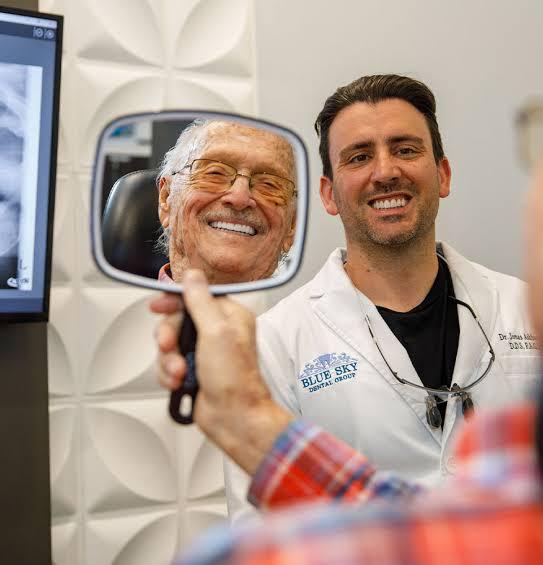
Blue Sky Dental Lab: Delivering Quality Dental Restorations with Modern Technology

Choosing a reliable dental laboratory is an important part of providing patients with comfortable, natural-looking, and long-lasting dental restorations. Blue Sky Dental Lab focuses on supporting dental professionals with quality dental products, accurate designs, and dependable laboratory services. A good dental lab plays an important role in helping dentists deliver better treatment results, whether patients need crowns, bridges, veneers, dentures, or other restorative solutions.
Modern dentistry continues to develop, and dental laboratories must keep up with new materials, digital tools, and changing patient expectations. Dentists need laboratory partners who understand the importance of precision, communication, and consistent quality. From the initial dental impression to the final restoration, every step matters.
Why Choosing the Right Dental Laboratory Matters
A dental restoration must fit properly, function comfortably, and look natural. Even a small error in measurements or design can affect the final result. This is why dentists depend on experienced dental technicians and reliable laboratory processes.
A professional dental lab works closely with dental clinics to understand each patient's needs. It considers tooth shape, size, bite alignment, and surrounding teeth when preparing restorations. These details help create dental products that fit comfortably and support everyday activities such as speaking and chewing.
Blue Sky Dental Lab represents the importance of combining technical knowledge with attention to detail. Dental professionals benefit from working with a laboratory that values accurate work, clear communication, and reliable production standards.
Modern Technology in Dental Laboratory Services
Technology has changed the way dental restorations are designed and manufactured. Traditional methods are still useful, but digital dentistry has made many laboratory processes more accurate and efficient.
Computer-aided design and manufacturing, commonly known as CAD/CAM, allow technicians to create detailed digital restoration designs. These designs can then be produced using advanced milling or manufacturing equipment.
Digital workflows offer several benefits:
-
Better control over restoration dimensions.
-
Improved communication between dentists and technicians.
-
More consistent design processes.
-
Efficient production and adjustments.
-
Detailed visualization before manufacturing.
Digital tools also help dental technicians work with complex cases. When combined with skilled craftsmanship, modern technology can support dependable restorative results.
The Importance of Digital Dentistry
Digital dentistry is becoming an important part of modern dental care. Intraoral scanners allow dentists to capture detailed images of a patient's teeth without relying entirely on traditional impression materials.
These digital scans can be shared with a dental laboratory for designing crowns, bridges, and other restorations. Digital files also make it easier to review specific areas and identify possible adjustments before production begins.
For dental clinics, digital workflows can improve communication and reduce some common problems associated with traditional impressions. They also provide a convenient way to manage patient cases.
A laboratory that understands digital dentistry can help dental professionals adapt to changing treatment methods while maintaining attention to accuracy and quality.
Dental Crowns and Restorative Solutions
Dental crowns are among the most common restorative products prepared by dental laboratories. They cover damaged or weakened teeth and help restore their shape, strength, and appearance.
Crowns may be recommended for teeth with extensive decay, fractures, large fillings, or after root canal treatment. Their design must consider the patient's bite, tooth structure, and surrounding teeth.
A well-designed crown should fit properly along the prepared tooth and provide a natural appearance. Dental technicians carefully consider the restoration's shape, margins, shade, and material when creating the final product.
Zirconia Crowns for Strength and Appearance
Zirconia is a popular material in restorative dentistry because of its strength and durability. It can be used for different types of crowns and is available in options designed for various clinical needs.
Dentists may recommend zirconia crowns for patients who need strong restorations. These crowns can also provide an attractive appearance when properly designed and shaded.
The final result depends on several factors, including material selection, preparation quality, bite alignment, and laboratory techniques.
Porcelain Crowns for Natural-Looking Results
Porcelain restorations are valued for their ability to resemble natural teeth. Their color, translucency, and surface appearance can help create an attractive smile.
Dental technicians work carefully to match the restoration with the patient's surrounding teeth. Shade selection is particularly important because natural teeth can have different tones and levels of translucency.
The dentist and laboratory must communicate clearly to achieve a suitable result for each patient.
Dental Bridges and Their Role in Restorative Dentistry
Dental bridges are used to replace one or more missing teeth. They generally consist of replacement teeth supported by natural teeth or dental implants.
A dental bridge must be designed carefully to provide proper contact, stability, and bite function. Its appearance should also blend with the patient's natural smile.
The laboratory considers the size of the missing space, the position of supporting teeth, and the patient's bite when preparing a bridge. Accurate measurements help reduce the possibility of discomfort and fitting problems.
Modern materials and digital design methods provide additional options for creating bridges that meet different clinical requirements.
Improving Accuracy Through Better Communication
Communication between dentists and dental technicians is essential throughout the restoration process. Dentists provide important information about patient requirements, preparation details, Blue Sky Dental Lab shade selection, and treatment goals.
Technicians use this information to prepare restorations according to the clinical instructions.
If any detail is unclear, discussing it before production can help prevent unnecessary adjustments later. Clear communication also makes it easier to manage complicated cases and meet patient expectations.
The Importance of Quality Materials
The materials used in dental restorations have a direct impact on their performance and appearance. Different materials offer different advantages, so dentists must select products according to each patient's clinical needs.
Zirconia, porcelain, ceramic, and other dental materials are used for various restorative applications. Each material has specific properties related to strength, aesthetics, and suitability.
A dental laboratory should follow appropriate material-handling procedures and manufacturer guidelines. Technicians must also understand how different materials behave during design, processing, finishing, and polishing.
Using suitable materials and following consistent laboratory procedures helps support reliable restorations.
How Dental Laboratories Support Dental Professionals
Dental laboratories are important partners for dentists, prosthodontists, and other dental professionals. They provide the technical support needed to turn treatment plans into finished restorative products.
A dependable laboratory can support dental clinics in several ways.
Consistent production quality: Careful workmanship helps dentists receive restorations that meet their clinical instructions.
Technical support: Experienced technicians can discuss material choices, restoration designs, and possible solutions for challenging cases.
Digital workflow support: Digital scanning and design processes can make case communication more convenient.
Attention to detail: Proper contouring, margins, shade selection, and finishing contribute to the overall quality of dental restorations.
Reliable communication: Timely updates help clinics organize appointments and manage patient expectations.
These factors make the relationship between a dentist and a dental laboratory an important part of successful restorative treatment.
What to Consider When Selecting a Dental Lab
Choosing a dental laboratory requires more than comparing prices. Dental professionals should consider the laboratory's technical capabilities, materials, communication practices, and ability to handle different restorative cases.
Here are some important factors to review:
-
Experience and technical skills: Look for technicians who understand different restorative procedures and materials.
-
Material options: Check whether the laboratory offers suitable materials for crowns, bridges, and other restorations.
-
Digital capabilities: Ask about CAD/CAM systems, digital impressions, and design workflows.
-
Quality control: Understand how restorations are checked before being sent to the dental clinic.
-
Communication: Choose a laboratory that responds clearly to questions and case instructions.
-
Turnaround expectations: Discuss production timelines and delivery arrangements before submitting cases.
Taking time to evaluate these areas can help dental clinics build productive relationships with laboratory providers.
The Future of Dental Laboratory Services
The dental industry is moving toward more advanced digital processes. Artificial intelligence, improved scanning systems, 3D printing, and advanced manufacturing equipment are creating new opportunities for dental laboratories.
These technologies can help technicians manage complex designs, improve production planning, and develop more customized restorative solutions.
However, technology alone cannot replace professional knowledge and careful workmanship. Skilled technicians still need to understand dental anatomy, material properties, bite relationships, and aesthetic requirements.
The best results come from combining modern equipment with practical experience and strong communication between dental professionals.
Conclusion
Blue Sky Dental Lab highlights the important role that dental laboratories play in modern restorative dentistry. Quality crowns, bridges, and other dental restorations require accurate designs, suitable materials, skilled technicians, and effective communication with dental professionals.
As digital dentistry continues to grow, laboratories must adapt to new technologies while maintaining consistent production standards. By focusing on precision, material selection, and dependable laboratory processes, dental professionals can work toward restorations that meet patient needs and support better treatment outcomes.
Choosing the right dental laboratory is an important decision for any dental practice. A reliable laboratory partnership can make restorative procedures more organized and help dentists provide comfortable, functional, and natural-looking results.
Frequently Asked Questions
1. What services does a dental laboratory provide?
A dental laboratory prepares restorative dental products such as crowns, bridges, veneers, dentures, and other customized appliances based on instructions from dental professionals.
2. What is digital dentistry?
Digital dentistry uses technologies such as intraoral scanners, computer-aided design, and computer-aided manufacturing to improve the design and production of dental restorations.
3. Which is better, zirconia or porcelain crowns?
Both materials have advantages. Zirconia is known for its strength, while porcelain is valued for its natural appearance. The best choice depends on the patient's dental condition and the dentist's recommendation.
4. Why is accuracy important in dental restorations?
Accurate restorations help provide proper fitting, comfortable chewing, suitable bite alignment, and a natural appearance. Poorly fitting restorations may require additional adjustments.
5. How can dentists choose a reliable dental laboratory?
Dentists should consider technical experience, material options, digital capabilities, quality control, communication, and turnaround times before selecting a dental laboratory.


