

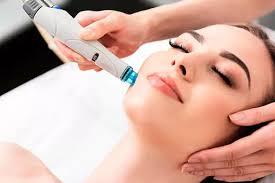
Combination skin can be challenging to manage because different areas of the face often have different skincare needs. The T-zone, including the forehead, nose, and chin, may produce excess oil, while the cheeks can feel dry, tight, or dehydrated. Using the same skincare approach across the entire face may not always address these differences effectively. HydraFacial Treatment in Dubai is a professional skin treatment that combines cleansing, exfoliation, extraction, and hydration to support healthier-looking skin.
In Dubai, where heat, humidity, air conditioning, and environmental exposure can influence skin conditions, choosing an appropriate facial treatment is particularly important. A personalised HydraFacial approach can help address multiple concerns without treating every facial area as if it has identical needs.
Understanding the Needs of Combination Skin
Combination skin involves a mixture of oily and dry or normal areas. The T-zone commonly experiences excess sebum production, visible pores, and blackheads. Meanwhile, the cheeks may experience dehydration, rough texture, or occasional sensitivity.
These differences can make product selection and professional skincare treatments more complicated. For example, using highly oil-controlling products across the entire face may leave drier areas uncomfortable. Similarly, applying rich moisturising products everywhere may not be suitable for areas that already produce excess oil.
A professional skin assessment helps identify these variations and determine which treatment approach may be appropriate.
Why Is HydraFacial Suitable for Combination Skin?
HydraFacial is a non-invasive facial treatment designed to cleanse, exfoliate, extract impurities, and deliver hydrating ingredients to the skin. Its treatment stages can address several common concerns associated with combination skin.
The cleansing stage helps remove surface impurities, excess oil, and accumulated skincare products. Gentle exfoliation supports the removal of dead skin cells that can contribute to uneven texture and dullness.
The extraction process uses specialised technology to help clear pore congestion, particularly around the nose and chin. Hydration is another important part of the treatment because oily skin can also experience dehydration.
However, HydraFacial is not suitable for every skin condition. People experiencing active irritation, infections, or certain inflammatory skin conditions may require a different approach or medical assessment before treatment.
Personalised Skin Assessment Before Treatment
A personalised assessment is an important starting point when considering HydraFacial for combination skin. Rather than focusing only on visible oiliness, a skincare professional should evaluate the overall condition of the face.
Several factors may be considered:
-
Oil production: Identifying areas that produce excessive sebum.
-
Hydration levels: Checking whether the cheeks or other areas show signs of dehydration.
-
Pore congestion: Assessing blackheads, clogged pores, and visible pore concerns.
-
Skin sensitivity: Identifying redness, irritation, or sensitivity that may influence treatment selection.
-
Skin texture: Evaluating roughness, unevenness, and accumulated dead skin cells.
This assessment helps establish realistic treatment goals and determine whether HydraFacial is an appropriate option.
Adjusting Treatment for Different Facial Areas
One of the important considerations when treating combination skin is recognising that the face does not have uniform skincare requirements.
The forehead, nose, and chin may benefit from attention to excess oil and pore congestion. The cheeks may require greater consideration of hydration and skin comfort.
HydraFacial treatment settings and selected skincare solutions can be adjusted according to individual skin requirements and professional assessment. The objective is to support balanced-looking skin rather than aggressively removing oil from every area.
It is also important to understand that the treatment does not permanently change natural sebum production. Results vary depending on skin characteristics, lifestyle, and ongoing skincare habits.
The Importance of Hydration and Skin Barrier Support
People with combination skin sometimes misunderstand hydration. Because certain areas appear oily, they may avoid moisturising products altogether. However, oil production and skin hydration are two different factors.
The skin can produce excess sebum while still lacking sufficient water. This may contribute to a surface that looks shiny but feels uncomfortable or tight.
HydraFacial incorporates hydrating solutions to support skin moisture. Maintaining a suitable skincare routine after treatment can also help preserve skin comfort.
Using a gentle cleanser, appropriate moisturiser, and broad-spectrum sunscreen can support the skin barrier. Harsh exfoliants and unnecessary product combinations should be avoided, particularly if the skin becomes sensitive after treatment.
What Results Can People Expect?
HydraFacial may help improve the appearance of dullness, surface congestion, uneven texture, and dehydration. Many individuals notice that their skin feels smoother and looks refreshed following treatment.
However, outcomes differ between individuals. Factors such as age, existing skin conditions, environmental exposure, and skincare habits can influence results.
HydraFacial should not be considered a permanent solution for acne, enlarged pores, pigmentation, or excessive oil production. People with persistent skin concerns may need additional treatments or a dermatologist's guidance.
A professional consultation can help establish whether HydraFacial alone is sufficient or whether another skincare approach would be more appropriate.
How Does Tajmeels Clinic Approach HydraFacial for Combination Skin?
At tajmeels clinic dubai, the HydraFacial approach for combination skin begins with understanding the individual's skin characteristics and treatment expectations. The clinic considers differences between oily and dry facial areas instead of relying on a standard approach for everyone.
During the consultation, skin concerns such as excess oil, visible pores, dehydration, uneven texture, and sensitivity can be discussed. This information helps guide decisions about treatment suitability and the appropriate HydraFacial approach.
The focus is on selecting suitable treatment options while considering skin comfort and realistic outcomes. Individuals can also discuss their existing skincare routines and any previous reactions to facial treatments.
By considering individual skin requirements, Tajmeels Clinic aims to provide a more personalised HydraFacial experience for people with combination skin in Dubai.
Who Should Consider a HydraFacial Consultation?
A HydraFacial consultation may be worth considering for individuals who:
-
Experience oily and dry areas on the same face.
-
Notice frequent congestion around the nose and chin.
-
Have dull-looking or uneven skin texture.
-
Experience surface dehydration despite oily skin.
-
Want a professional facial cleansing and hydration treatment.
People with active skin infections, significant inflammation, or unexplained skin reactions should seek appropriate medical advice before proceeding.
Conclusion
Managing combination skin requires an approach that recognises the different needs of oily and dry facial areas. HydraFacial offers a combination of cleansing, exfoliation, extraction, and hydration that may help improve several common skin concerns. A professional assessment is essential to determine treatment suitability and select an appropriate approach.
With personalised evaluation and suitable aftercare, individuals can make more informed decisions about maintaining balanced, refreshed, and healthy-looking skin.
More Information
Tajmeels Clinic Dubai
WhatsApp: +971 56 203 8751
Phone: tel:+971 43739000
Social Media:


