

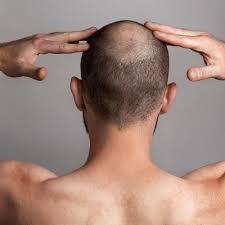
Hair Transplant in Dubai is a specialised hair restoration procedure that requires careful planning to achieve balanced, natural-looking coverage. One of the most important parts of the process is determining how hair grafts should be distributed across the scalp. Graft distribution refers to the placement of harvested hair follicles in areas affected by thinning or baldness. The right approach depends on several factors, including existing hair density, the pattern of hair loss, donor hair availability, scalp characteristics, and individual restoration goals.
In Dubai, people considering hair transplant surgery often want to understand how clinics decide where each graft should be placed. Proper planning helps make the best use of available donor hair while maintaining a natural appearance.
What Is Graft Distribution in Hair Transplantation?
A hair graft is a small unit of tissue containing one or more hair follicles. During hair transplant surgery, these grafts are collected from a donor area, usually at the back or sides of the scalp, and implanted into areas experiencing hair loss.
Graft distribution involves deciding how many grafts are needed in different scalp regions and how they should be positioned. Instead of placing the same number of grafts everywhere, specialists consider the specific needs of each area.
For example, the frontal hairline may require a softer and more detailed arrangement, while the crown may need a different placement strategy because of its natural growth direction.
Factors That Influence Graft Distribution
Several clinical considerations help determine an appropriate graft distribution plan.
1. Pattern and Extent of Hair Loss
The pattern of hair loss is one of the first things evaluated during a hair transplant assessment. Some individuals experience recession around the temples, while others have thinning across the crown or the middle portion of the scalp.
The affected areas are examined to understand where coverage is most needed. A person with mild frontal recession may require a different graft distribution from someone experiencing extensive hair loss.
2. Donor Area Hair Availability
The donor area plays an important role in determining how many grafts can be safely collected. Hair density, follicle quality, scalp condition, and the size of the available donor region are considered before surgery.
Using too many grafts from the donor area can create visible thinning in that region. Therefore, careful planning helps preserve its appearance while making suitable use of available follicles.
3. Existing Hair Density
Existing hair density influences how grafts are distributed between thinning areas. When natural hair is still present, the placement strategy must account for those follicles.
The objective is to improve overall coverage without unnecessarily disturbing existing hair. Specialists also consider the possibility of continued hair loss when planning long-term restoration.
4. Hairline Design and Facial Proportions
The frontal hairline has a major influence on the overall appearance of a hair transplant. Its shape, height, and density should complement the individual's facial structure and natural hair characteristics.
Grafts containing single hair follicles are commonly used along the front hairline to create a softer transition. Multiple-hair grafts may be placed behind this area to provide additional fullness.
5. Hair Characteristics and Growth Direction
Hair thickness, texture, curl pattern, and natural growth direction can affect the visual density achieved through transplantation.
For example, thicker or naturally curly hair may provide a different coverage appearance compared with fine, straight hair. Matching the direction and angle of implanted follicles with surrounding hair is also important for natural-looking results.
How Is Graft Distribution Planned for Different Scalp Areas?
Different scalp regions have different restoration requirements.
-
Frontal hairline: This area requires careful attention to hair direction, natural irregularity, and gradual density.
-
Mid-scalp: Grafts may be distributed to improve coverage and create a smooth transition between the frontal region and crown.
-
Crown area: The natural whorl pattern and circular growth direction must be considered when placing grafts.
-
Temples: Restoration in this region requires attention to facial proportions and the natural angle of temple hair.
The final distribution depends on the individual's scalp condition, donor capacity, and treatment objectives rather than a fixed graft formula.
Why Is Balanced Graft Distribution Important?
A well-planned distribution helps create a more consistent appearance across the treated areas. Concentrating too many grafts in one region may leave other areas with insufficient coverage.
Balanced planning also helps protect the donor area and makes better use of available follicles. Since hair loss can continue over time, specialists may also consider future thinning when deciding how to allocate grafts.
It is important to understand that graft numbers alone do not determine the success of a hair transplant. Placement accuracy, follicle survival, surgical technique, healing, and individual hair growth characteristics all contribute to the final outcome.
How Does Tajmeels Clinic Determine the Appropriate Graft Distribution?
At tajmeels clinic dubai, hair transplant planning involves evaluating individual scalp characteristics and restoration requirements before recommending an approach. The assessment may include reviewing the pattern of hair loss, examining donor hair availability, evaluating existing density, and considering the patient's desired hairline and coverage goals.
Tajmeels Clinic considers how different scalp regions may require different graft placement strategies. This personalised approach helps guide decisions about graft allocation, hairline design, and the use of available donor follicles.
Patients can discuss their expectations, existing hair concerns, and relevant medical history during the consultation. The recommended plan should be based on clinical suitability rather than selecting a graft number simply because it is commonly used for other patients.
What Should Patients Expect After Hair Transplantation?
Hair transplant results develop gradually rather than immediately. Some transplanted hair commonly sheds during the early recovery period, which is a normal part of the hair growth cycle. New growth generally becomes noticeable over the following months.
Initial redness, mild swelling, and temporary scalp sensitivity may also occur. Patients should follow their specialist's aftercare instructions, avoid unnecessary pressure on the treated area, and attend recommended follow-up appointments.
Final results vary according to individual healing, follicle survival, hair characteristics, and the extent of the original hair loss. Maintaining realistic expectations is an important part of the treatment journey.
Conclusion
Appropriate graft distribution is an essential part of personalised hair transplant planning. Factors such as donor hair availability, existing density, scalp condition, hairline design, and future hair loss all influence how follicles should be allocated. A detailed assessment helps create a treatment strategy that balances coverage, natural appearance, and donor area preservation. Anyone considering hair transplant surgery in Dubai should seek a professional consultation to understand their suitability and available restoration options.
More Information
Tajmeels Clinic Dubai
WhatsApp: +971 56 203 8751
Phone: tel:+971 43739000
Social Media:


