

Netra Tarpana Treatment in Delhi | An Ayurvedic Approach to Eye Care and Relaxation

In today's digital world, people spend long hours looking at computers, mobile phones, and television screens. Continuous screen exposure, environmental pollution, lack of sleep, and daily stress can contribute to eye strain, dryness, irritation, and tired eyes. Ayurveda offers several traditional therapies to support eye care and relaxation. One such therapy is Netra Tarpana Treatment in Delhi, a specialised Ayurvedic procedure that focuses on nourishing and soothing the eyes with medicated ghee.
Netra Tarpana is a traditional Ayurvedic treatment performed under the supervision of a qualified practitioner. It involves creating a small boundary around the eyes and gently retaining suitable medicated ghee within it for a prescribed period. This therapy is selected according to an individual's condition and Ayurvedic assessment.
What Is Netra Tarpana Treatment?
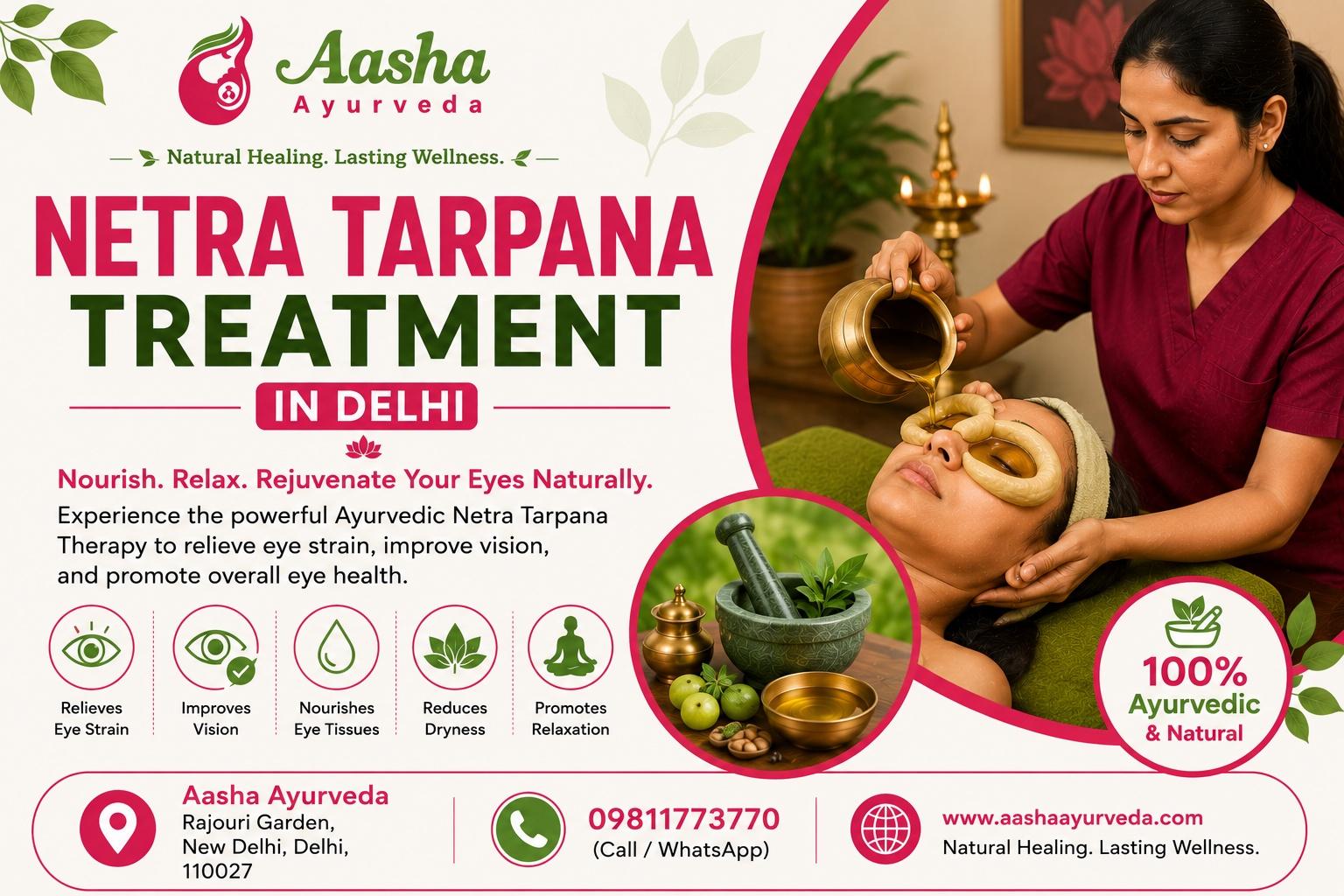
Netra Tarpana is an Ayurvedic eye therapy in which medicated ghee is applied around the eyes within a specially prepared herbal dough boundary. The word 'Netra' means eyes, while 'Tarpana' refers to nourishment or satisfaction.
During the procedure, a dough ring is carefully placed around the eye area to create a secure enclosure. Lukewarm medicated ghee is then poured into this enclosure so that it gently covers the closed eyes. The practitioner determines the duration and type of ghee based on the individual's requirements.
The primary purpose of this traditional therapy is to provide nourishment and relaxation to the eye region. People interested in natural wellness practices may explore Netra Tarpana Treatment in Delhi after consulting an experienced Ayurvedic professional.
Benefits of Netra Tarpana Therapy
Netra Tarpana is traditionally used in Ayurveda as part of specialised eye-care practices. Its potential benefits depend on the individual's condition, the medicines used, and the practitioner's assessment.
1. Helps Relax Tired Eyes
Long working hours, continuous reading, and excessive screen exposure can make the eyes feel tired. Netra Tarpana is traditionally considered a relaxing therapy that may provide a soothing experience for people experiencing eye fatigue.
2. Supports Eye Comfort
Some people experience discomfort due to dryness or irritation. The nourishing approach of this traditional therapy may help support comfort in selected cases. However, it should not replace medically approved treatment for dry eye disease.
3. Provides Relaxation
The therapy is performed in a calm environment and generally involves lying comfortably with the eyes closed. This process can offer a relaxing experience and may help reduce everyday stress.
4. Traditional Ayurvedic Eye Care
Ayurveda considers eye health an important part of overall well-being. Netra Tarpana is one of the traditional procedures included in Ayurvedic eye-care practices and is performed according to individual needs.
5. Promotes a Wellness Routine
People who spend considerable time working on digital devices may benefit from combining healthy screen habits, proper sleep, regular breaks, and professional eye-care advice.
Who Can Consider Netra Tarpana?
Netra Tarpana may be considered by individuals interested in traditional Ayurvedic eye-care therapies. However, it is not suitable for everyone.
People who may discuss this therapy with an Ayurvedic practitioner include:
-
Individuals experiencing tired eyes after prolonged screen use.
-
People interested in traditional Ayurvedic wellness procedures.
-
Individuals looking for relaxation as part of their self-care routine.
-
People seeking complementary approaches to eye comfort.
-
Individuals interested in learning about traditional Ayurvedic eye-care practices.
A professional consultation is important before starting the treatment. Anyone experiencing blurred vision, persistent redness, severe pain, discharge, sudden vision changes, or other unusual eye symptoms should consult an ophthalmologist rather than relying on an Ayurvedic procedure.
How Is Netra Tarpana Treatment Performed?
Netra Tarpana is a specialised procedure that requires proper preparation, hygiene, and professional supervision. The exact process may vary according to the practitioner's assessment.
Step 1: Initial Consultation
The procedure begins with a consultation. The practitioner discusses the person's health history, existing eye complaints, lifestyle, and expectations. This assessment helps determine whether the therapy is appropriate.
Step 2: Preparation of the Patient
The individual is asked to lie comfortably in a suitable position. The eye area is prepared according to the practitioner's hygiene protocol. The environment should be clean, calm, and comfortable.
Step 3: Preparation of the Dough Ring
A ring-shaped boundary is made using specially prepared herbal dough. It is carefully placed around the eye area to create an enclosure that can hold the medicated ghee.
Step 4: Application of Medicated Ghee
Suitable medicated ghee is prepared at an appropriate temperature. It is gently poured into the enclosure while the individual keeps their eyes closed. The practitioner ensures that the procedure is performed carefully.
Step 5: Completion of the Therapy
After the prescribed duration, the ghee is removed using the appropriate traditional method. The dough boundary is also carefully removed, and the area is cleaned according to the treatment protocol.
Step 6: Post-Treatment Guidance
The practitioner provides instructions regarding rest, daily activities, and follow-up appointments. The individual should follow all recommended precautions.
Why Choose Professional Netra Tarpana Treatment in Delhi?
Choosing a qualified Ayurvedic practitioner is important when considering any specialised traditional therapy. Proper assessment, cleanliness, appropriate materials, and professional experience contribute to a safer treatment experience.
Delhi offers access to different Ayurvedic wellness centres where individuals can learn about traditional therapies. Before selecting a centre, consider the following factors:
-
Qualified Practitioners: Check the qualifications and experience of the Ayurvedic professional.
-
Proper Consultation: Choose a centre that evaluates your condition before recommending treatment.
-
Hygiene Standards: Ensure that the treatment area and equipment are maintained properly.
-
Individualised Care: The therapy should be planned according to personal requirements.
-
Clear Guidance: The practitioner should explain the procedure, possible risks, and precautions.
Aashaayurveda provides an opportunity for people interested in exploring traditional Ayurvedic wellness approaches and learning more about specialised therapies. Individuals should discuss their eye-care concerns with a qualified professional before choosing any treatment.
Precautions Before and After Netra Tarpana
Although Netra Tarpana is a traditional Ayurvedic procedure, it requires careful handling because the eyes are sensitive organs. Following appropriate precautions is essential.
Some important points include:
-
Always consult a qualified practitioner before beginning the procedure.
-
Do not attempt the therapy at home without professional training.
-
Ensure that the ghee and other materials are suitable and prepared hygienically.
-
Avoid treatment during active eye infections or unexplained eye inflammation unless specifically cleared by an ophthalmologist.
-
Inform the practitioner about existing eye conditions, allergies, and ongoing medications.
-
Follow the recommended post-treatment instructions.
-
Seek medical attention if pain, redness, irritation, or vision changes occur.
People with glaucoma, recent eye surgery, corneal problems, or other significant eye conditions should obtain advice from an ophthalmologist before considering this therapy.
Netra Tarpana and Modern Digital Lifestyles
Digital devices have become an essential part of modern life. Office employees, students, designers, and professionals often spend several hours in front of screens. This can contribute to digital eye strain, which may involve headaches, temporary blurred vision, tiredness, and dryness.
Along with professional eye care, simple lifestyle habits can help maintain eye comfort.
The 20-20-20 rule is one useful practice: after every 20 minutes of screen time, look at something approximately 20 feet away for at least 20 seconds.
Other helpful habits include:
-
Adjusting screen brightness according to the surrounding environment.
-
Maintaining a comfortable distance from digital screens.
-
Taking regular breaks during computer work.
-
Getting sufficient sleep.
-
Staying hydrated.
-
Scheduling regular eye examinations.
Netra Tarpana may be explored as a traditional complementary wellness practice, but it has not been established as a treatment for digital eye strain or as a method of improving eyesight.
How to Select the Right Ayurvedic Centre in Delhi
Finding the right centre is an important step when exploring traditional Ayurvedic therapies. Do not select a treatment provider only because of advertisements or attractive packages.
First, check the practitioner's professional qualifications and experience. Ask about the ingredients used during the procedure and the hygiene measures followed by the centre. A responsible practitioner should explain what the treatment can and cannot do.
It is also helpful to understand the expected number of sessions, treatment duration, costs, and follow-up requirements before making a decision.
Aashaayurveda is a name individuals can explore when researching Ayurvedic wellness services. A proper consultation can help determine whether Netra Tarpana is appropriate for their needs.
Conclusion
Netra Tarpana is a traditional Ayurvedic therapy that uses medicated ghee as part of a specialised eye-care procedure. It is traditionally associated with nourishment and relaxation and may interest people looking for complementary Ayurvedic wellness practices. However, it should always be performed under qualified professional supervision, with appropriate attention to hygiene and safety.
If you are considering Netra Tarpana Treatment in Delhi, begin with a professional consultation to understand its suitability, benefits, and limitations. Combining responsible eye-care practices, healthy screen habits, and appropriate medical guidance can help support long-term eye health.


