
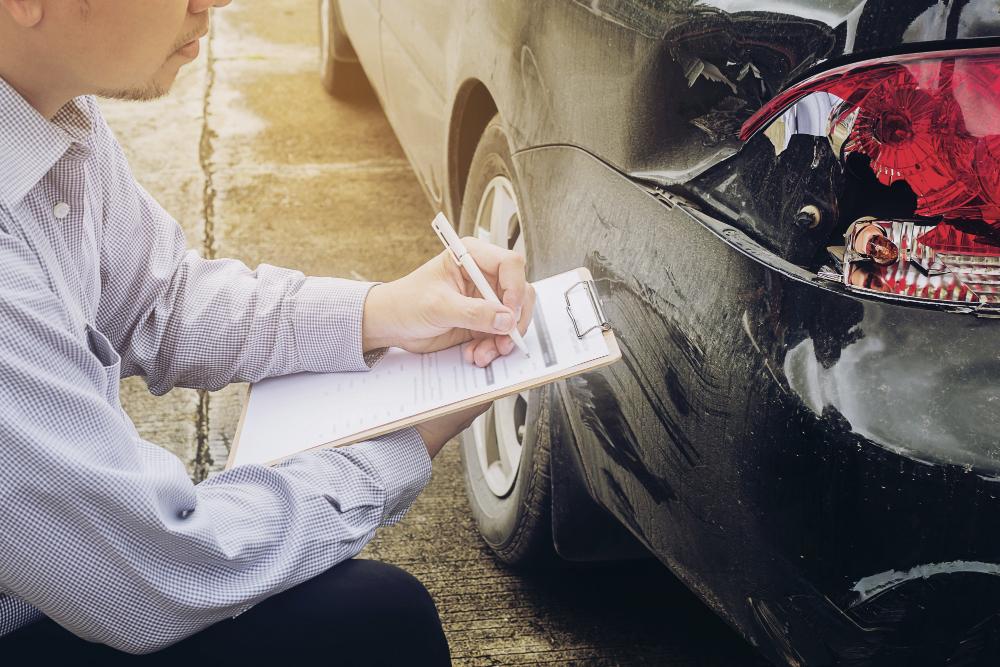
Selling a Salvage Title Car: Understanding Its Resale Potential and Finding the Right Buyer
A vehicle's history can have a major influence on what buyers are willing to pay, but a damaged car may still have something valuable to offer. An engine that remains functional, sought-after replacement parts, or a model with strong restoration appeal can attract interest even when the title carries a salvage designation. When selling a salvage title car, the challenge is understanding which parts of its value remain and identifying buyers who know how to evaluate vehicles with a complicated history.
Instead of treating the salvage title as the only factor that matters, consider the car's complete condition, repair possibilities, equipment, and market demand. A realistic assessment can help you avoid unnecessary expenses, set sensible expectations, and choose a selling route that makes practical sense.
Look Beyond the Damage to Assess What Remains
A salvage title generally indicates that a vehicle was declared a total loss under applicable insurance or state rules. This may follow a serious collision, flood exposure, fire, theft recovery, or another damaging event. However, the designation does not tell the entire story of the vehicle's present condition.
For example, one car may have extensive exterior damage while retaining a usable engine and transmission. Another may appear relatively undamaged but have hidden electrical or structural problems following water exposure. These differences can influence buyer interest considerably.
Evaluate the vehicle across several areas:
-
Powertrain condition: Determine whether the engine starts, the transmission operates, and major mechanical systems function.
-
Structural integrity: Identify known damage to the frame, suspension mounting points, and other critical areas.
-
Interior components: Check the condition of seats, electronics, dashboard equipment, and other cabin features.
-
Exterior and body panels: Record dents, broken glass, corrosion, missing parts, and previous repairs.
-
Equipment and specifications: Note the trim, engine type, drivetrain, and factory-installed features that may interest particular buyers.
If the vehicle has not been professionally inspected, avoid making assumptions about its roadworthiness. A qualified mechanic can help identify problems that may not be obvious during a basic visual check.
Understand the Different Forms of Resale Potential
A salvage vehicle does not necessarily have one fixed market. Its usefulness to a buyer depends on what that buyer intends to do with it. Recognizing these possibilities can help you decide where to focus your selling efforts.
Repair and restoration value: A vehicle with repairable damage may interest someone who has the skills, equipment, and budget to restore it. Desirable models or vehicles with limited availability may attract additional attention from restoration enthusiasts.
Component value: Even when a complete vehicle is uneconomical to repair, some of its parts may remain useful. Engines, transmissions, wheels, electronic components, and interior equipment can have value when they are functional and in demand.
Recycling value: Vehicles with extensive damage may be more appropriate for authorized dismantling or recycling. The amount a buyer considers can depend on the vehicle's weight, completeness, reusable materials, and local demand.
Specialist resale interest: Certain salvage vehicle businesses evaluate cars based on their experience with damaged inventory. They may have a better understanding of repair costs, parts availability, and the limitations attached to branded titles.
These categories are not guarantees of a particular price. They simply show why a salvage vehicle may appeal to more than one type of purchaser.
The Original Incident Can Shape Buyer Confidence
Buyers often want to know exactly why a vehicle received its salvage designation. The type of damage can influence how they assess repair costs, future reliability, and potential resale restrictions.
Collision damage may raise questions about frame alignment, airbags, suspension, and body repairs. Flood exposure can create concerns about corrosion, wiring, electronic modules, and problems that develop over time. Fire damage may affect wiring, engine components, paint, and interior materials.
Theft-recovery cases can be different. Depending on the circumstances, a recovered vehicle may have relatively limited physical damage but still carry a salvage designation because of how the insurance claim was handled.
Gather any available records explaining the incident. Insurance documents, photographs, repair estimates, inspection reports, and receipts can help establish a clearer history. If information is unavailable, say so rather than guessing. Buyers are more likely to make a meaningful assessment when they understand what is known and what remains uncertain.
Choose Your Selling Strategy Based on the Vehicle's Condition
The selling method that works for a lightly damaged car may not be suitable for one with major mechanical problems. Consider the following routes before deciding where to advertise or request an offer.
Direct Private Sale
A private sale gives you control over the asking price and lets you communicate with potential purchasers directly. It may work when the vehicle has identifiable repair potential or components that appeal to a specific audience.
However, finding a suitable buyer can take time. You may need to answer detailed questions, arrange inspections, negotiate, and coordinate transportation. Make the salvage designation clear in the listing to avoid attracting shoppers who expect a clean-title vehicle.
Specialist Salvage Purchasers
Businesses that regularly purchase damaged or branded-title vehicles may be familiar with the issues involved. They can assess the vehicle according to its condition, repair possibilities, and usable components.
This route may be worth considering when you want to avoid managing a lengthy private sale. Ask about eligibility, inspection requirements, transportation, and any deductions before accepting an offer.
Dismantlers and Automotive Recyclers
When the vehicle is severely damaged or incomplete, a dismantler or authorized recycler may be a more suitable contact. These businesses may evaluate the car for reusable parts and recyclable materials.
Confirm that the business follows applicable licensing and title-transfer requirements. Also clarify whether the vehicle will be purchased complete or whether you are expected to remove any components first.
Dealership and Direct Purchase Inquiries
Some dealerships and direct vehicle buyers may consider salvage-title cars, while others restrict purchases to vehicles with different title classifications. Their policies vary, so confirm acceptance before spending time on a detailed evaluation.
A direct purchase inquiry can be useful when you prefer discussing the vehicle with one buyer rather than handling several private negotiations.
Set Expectations With a More Relevant Price Comparison
A clean-title vehicle listing may show what a similar car sells for under normal conditions, but it is not a reliable standalone benchmark for a salvage vehicle. The title classification, damage history, repair costs, and resale restrictions can create a substantial difference.
For a more useful comparison, research vehicles with similar branded-title histories. Match the model year, trim, mileage, type of damage, and overall condition as closely as possible. Look at completed transactions where available, rather than assuming every advertised price represents an actual sale.
You should also consider what a buyer may need to spend after purchasing the vehicle. Towing, inspections, replacement parts, mechanical repairs, and administrative requirements can all affect the amount they are prepared to offer.
If you receive several proposals, compare their complete terms. Ask whether the amount is conditional on inspection, whether pickup is included, and whether any fees or deductions apply. A clear offer is easier to evaluate than an attractive number with unexplained conditions.
Avoid Repairs That May Not Improve the Final Return
It is tempting to fix visible damage before putting a car on the market. However, investing in repairs without understanding their likely impact can reduce the amount you ultimately recover.
Begin by separating essential repairs from optional cosmetic work. Obtain estimates for major mechanical or structural issues, then compare the costs with the potential effect on buyer interest. A new paint job may improve presentation, but it will not remove the salvage designation. Similarly, replacing an expensive component may not increase the offer by an equivalent amount.
Some repairs also require professional documentation or inspections before a vehicle can qualify for a rebuilt title, depending on state regulations. Confirm the applicable requirements before paying for work intended to change its legal status.
In some situations, selling the vehicle in its current condition may be more practical. The right choice depends on the car, the damage, and the amount you would need to invest.
Make the Ownership Transfer Part of Your Selling Plan
A buyer's interest and an agreed price are only part of a successful transaction. Salvage-title vehicles can involve additional paperwork, so understand the requirements before arranging the handover.
Verify the title classification and check your state's rules for transferring ownership. Prepare the title, identification, available repair records, and any required disclosure forms. If the vehicle has an outstanding loan, contact the lender to understand the payoff and lien-release process.
Before releasing the car, confirm that payment has been received through a reliable method. Keep copies of the signed documents and follow local procedures for reporting the sale, handling license plates, and updating registration records.
Full disclosure is essential. Do not describe a salvage vehicle as clean-title or suggest that completed repairs automatically restore its previous title status.
Consider an Offer Through Sell With Reineke
If you would rather explore a direct purchasing option than manage advertisements and individual buyer inquiries, Sell With Reineke may be another route to investigate. Vehicle owners can discuss selling their cars and provide information needed for an offer evaluation.
For a salvage-title vehicle, share its VIN, mileage, current title status, and a straightforward account of the damage. Include details about completed repairs, known mechanical concerns, and whether the car is operational. Confirm directly whether the vehicle's particular history and condition meet the purchasing requirements.
Take time to review the valuation and understand the inspection, payment, and ownership-transfer procedures. Comparing the available terms with other buyers can help you decide whether this approach suits your expectations.
Make the Most of the Value Your Vehicle Still Holds
A salvage designation changes a car's resale prospects, but it does not automatically remove every opportunity to sell it. Its remaining value may come from repair potential, desirable components, specialist demand, or recyclable materials.
The most useful next step is to understand the vehicle's actual condition and match it with buyers who know how to evaluate branded-title cars. Keep the history transparent, research relevant comparisons, and avoid spending money on improvements without a clear financial reason.
When selling a salvage title car, a thoughtful approach can help you find a suitable buyer, understand the offer, and move forward with fewer surprises. The goal is not to make the vehicle appear better than its history suggests, but to present its remaining potential accurately and make a well-informed sale.


