

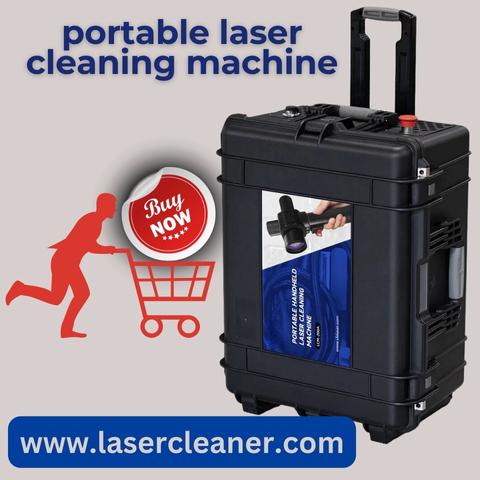
Portable Laser Cleaning Machine: Modern Solutions for Industrial Surface Cleaning
Industrial cleaning is an essential part of manufacturing, metal processing, automotive maintenance, and equipment restoration. Businesses require reliable methods to remove rust, paint, oil, and other unwanted materials from different surfaces. Laser cleaning technology has become a modern solution for these applications. A portable laser cleaning machine offers a practical approach to surface preparation by using a focused laser beam to remove contaminants without relying on traditional chemical cleaning methods.
Understanding Portable Laser Cleaning Technology
Laser cleaning works by directing controlled laser energy toward a contaminated surface. When the laser interacts with unwanted materials, it removes or separates them from the underlying surface. This process is commonly used to clean metal components, machinery parts, industrial tools, and equipment.
The portable design makes this technology suitable for workshops, factories, maintenance departments, and industrial environments where cleaning requirements may change from one location to another.
Depending on the application, businesses can select different laser power levels and cleaning configurations to match their operational requirements.
Common Applications in Different Industries
Laser cleaning technology is used across several industries because different manufacturing processes require clean and properly prepared surfaces.
Rust Removal from Metal Surfaces
Rust can develop on steel structures, metal components, industrial equipment, and automotive parts. Removing corrosion is an important step before painting, welding, or further processing. Laser cleaning can target rust deposits and help prepare metal surfaces for subsequent operations.
Paint and Coating Removal
Old paint and protective coatings sometimes need to be removed during equipment refurbishment and maintenance. Laser cleaning provides a controlled method for removing unwanted coating layers from suitable materials. It is particularly relevant for restoration projects involving metal structures and industrial components.
Oil and Grease Cleaning
Manufacturing equipment often collects oil, grease, and other production residues. These contaminants can interfere with maintenance and surface preparation. Laser cleaning systems can be configured for suitable applications involving the removal of surface contamination.
Industrial Equipment Maintenance
Factories regularly maintain machines, production tools, and metal components. Cleaning these surfaces helps prepare equipment for inspection, repair, and additional manufacturing processes.
Choosing the Right Cleaning Equipment
Selecting suitable laser equipment requires an understanding of the cleaning material, surface condition, and intended application. Different contaminants may require different laser settings and operating procedures.
Before purchasing equipment, businesses should consider the following factors:
-
Laser power: Select an appropriate power level according to the cleaning requirements.
-
Material compatibility: Check whether the equipment is suitable for the target surface.
-
Cleaning area: Consider the size and shape of the components that require treatment.
-
Operating environment: Evaluate whether the equipment will be used in a workshop, factory, or field location.
-
Technical support: Check the availability of installation guidance, maintenance assistance, and operator training.
A properly selected system can support consistent cleaning operations and help businesses establish an organized surface preparation process.
Why Portable Systems Are Used in Modern Manufacturing
Manufacturing facilities often handle components of different shapes and sizes. Some parts are difficult to move to a dedicated cleaning station, making portable equipment a useful option for certain industrial tasks.
A portable laser cleaning machine allows operators to bring the cleaning equipment closer to the workpiece. This setup can be useful when maintaining large metal structures, cleaning machinery, or working with components installed in fixed positions.
However, operators must follow the manufacturer's instructions and use appropriate laser safety equipment. Industrial laser cleaning requires controlled working conditions, suitable protective eyewear, proper ventilation where necessary, and restricted access to the laser operating area.
Maintaining Cleaning Equipment for Consistent Operation
Regular maintenance helps keep industrial laser systems operating according to their specifications. Operators should inspect optical components, cables, connectors, cooling arrangements, and other system parts according to the manufacturer's maintenance schedule.
Keeping the working environment clean is also important. Dust and contamination around sensitive optical components can affect equipment performance. Professional servicing and timely replacement of worn components can support long-term equipment reliability.
Businesses should also ensure that operators understand the equipment's operating procedures and safety requirements before beginning production work.
Final Thoughts
Laser cleaning technology continues to develop as manufacturers look for controlled and modern approaches to industrial surface preparation. From rust removal and paint stripping to machinery maintenance, these systems serve a variety of industrial applications. A portable laser cleaning machine can be a suitable choice for businesses that need flexible cleaning arrangements and equipment for different working environments. Understanding application requirements, selecting appropriate specifications, and following proper safety procedures are important steps toward achieving reliable cleaning results.


