


What Types of Contact Lenses Are Available for Different Needs?
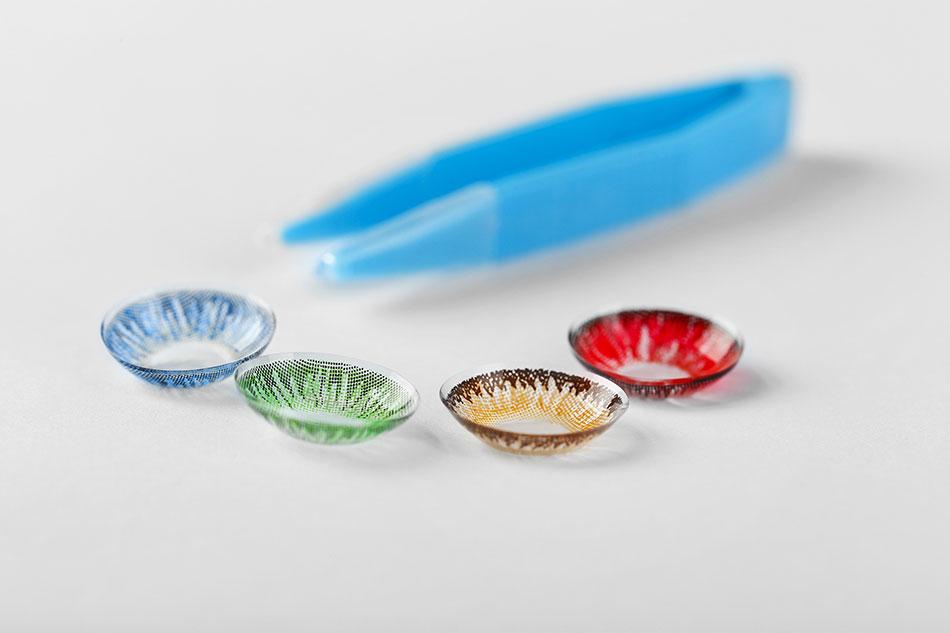
The range of contact lenses available today is broader and more sophisticated than most people realize. What began as a single lens category has evolved into a diverse clinical landscape addressing numerous visual and lifestyle needs. Each lens type is engineered for specific purposes and performs best for particular patient profiles. Understanding the available categories helps patients engage more meaningfully with their eye care professionals. It also supports more confident and informed purchasing decisions.
Soft Spherical Contact Lenses for Simple Correction
Soft spherical contact lenses are the most widely prescribed type globally. They are made from flexible, water-containing polymers that conform to the corneal surface. This flexibility makes them comfortable from the first day of wear for most patients. They are the standard starting point for patients with simple myopia or hyperopia who have not yet needed specialty correction.
These lenses are available in daily disposable, bi-weekly, and monthly replacement formats. Daily disposable versions are replaced after each single wearing session. They provide maximum hygiene with no cleaning or storage requirements. Bi-weekly lenses are replaced every two weeks and require nightly cleaning. Monthly lenses are replaced after 30 days and similarly require consistent daily care.
The material used in soft lenses has evolved significantly. Modern silicone hydrogel materials transmit substantially more oxygen to the cornea than conventional hydrogels. This superior oxygen delivery supports healthier corneal tissue during extended wearing periods. Most premium soft lens brands today use silicone hydrogel as their primary material. The improvement in corneal oxygenation has meaningfully reduced the rate of hypoxia-related complications.
Toric Lenses for Astigmatism Correction
Toric contact lenses are specifically designed for patients with astigmatism. Astigmatism results from irregular corneal or lenticular curvature that causes light to focus at multiple points. Standard spherical lenses cannot adequately correct this irregularity. Toric lenses incorporate a cylindrical power component precisely aligned to the axis of the patient's astigmatism. This alignment corrects the irregular focus and produces clear, stable vision.
The primary engineering challenge of toric lens design is maintaining consistent orientation. If the lens rotates on the eye, the cylindrical correction misaligns with the astigmatic axis. Vision becomes blurry and unstable. Toric lens manufacturers use several stabilization systems to prevent rotation. Prism ballast, thin-thick zone designs, and dynamic eyelid stabilization are the most common approaches. Modern toric lenses maintain stable orientation effectively for the vast majority of patients.
Daily disposable toric lenses have significantly expanded the options available to astigmatic patients. Previously, astigmatic wearers were largely limited to reusable formats. Daily toric lenses combine astigmatism correction with the hygiene benefits of fresh daily replacement. Monthly toric lenses remain available and are cost-effective for frequent wearers. Fitting toric lenses requires professional assessment of axis orientation and stabilization performance on the individual eye.
Multifocal Lenses for Presbyopia Management
Multifocal contact lenses address the near-vision challenges of presbyopia. Presbyopia is an age-related condition affecting virtually everyone beyond their early forties. The crystalline lens inside the eye progressively loses flexibility and accommodative capacity. Near tasks become increasingly difficult without corrective intervention. Multifocal contact lenses offer a way to address both distance and near vision within a single lens design.
These lenses use optical zone designs that simultaneously provide distance and near correction. The central zone may be optimized for distance or near vision, with surrounding zones addressing the alternate distance. Extended depth of focus designs use a continuous power gradient rather than distinct optical zones. The visual system adapts over several weeks to automatically select the appropriate focal zone for each task.
Daily disposable multifocal lenses are particularly beneficial for presbyopic patients. Older patients often have eyes more sensitive to deposit accumulation and surface degradation. Fresh lenses each day provide consistently comfortable, deposit-free wear. Monthly multifocal lenses offer a more economical alternative for committed daily wearers. Fitting multifocal lenses requires a detailed assessment of each patient's visual demands and a patient trial period for adaptation.
Rigid Gas-Permeable Lenses for Superior Optical Quality
Rigid gas-permeable lenses are manufactured from oxygen-permeable plastic materials. Unlike soft lenses, they maintain their shape on the eye rather than conforming to the corneal surface. This characteristic allows them to create a new, smooth refracting surface over any corneal irregularity. The resulting optical quality often surpasses what soft lenses can achieve. Patients who cannot achieve satisfactory vision with soft lenses frequently achieve significant improvement with rigid lenses.
Rigid lenses are the preferred option for patients with significant higher-order optical aberrations. They are also excellent for patients with moderate to severe astigmatism that exceeds the corrective range of toric soft lenses. Post-LASIK and other post-surgical corneas that have residual irregular astigmatism often achieve better correction with rigid lenses. The adaptation period for rigid lenses is longer than for soft lenses. Initial lens awareness typically diminishes over several weeks of consistent wear.
Gas permeability of the lens material is crucial for long-term corneal health with rigid lenses. Modern rigid gas-permeable materials deliver excellent oxygen transmission. Corneal health is maintained during wear without the risk of hypoxia-related changes. Regular professional monitoring ensures the lens fit remains appropriate as the cornea adapts to rigid lens wear over time.
Scleral Lenses for Complex Corneal Conditions
Scleral lenses are large-diameter rigid lenses that vault entirely over the cornea. They rest on the less sensitive scleral tissue surrounding the cornea rather than on the corneal surface itself. This design creates a space between the lens and the cornea that is filled with preservative-free saline before insertion. The fluid reservoir provides continuous corneal lubrication throughout the wearing day.
Scleral lenses are transformative for patients with keratoconus. This progressive corneal condition causes irregular thinning and bulging. Standard soft and conventional rigid lenses cannot provide adequate correction for advanced keratoconus. The scleral lens vaults over the irregular surface and creates a new, smooth refracting surface through the saline reservoir. The optical quality achieved is frequently dramatic for these patients.
Severe dry eye disease is another primary indication for scleral lens use. The saline reservoir bathes the corneal surface continuously. This sustained hydration provides relief that no other lens type can match. Patients who have failed with all other lens types due to dry eye often tolerate scleral lenses comfortably and find them genuinely life-changing. Modern scleral lens fitting techniques and manufacturing have made these lenses more accessible and practical than ever before.
Specialty Therapeutic Lenses for Myopia Management
Specialty therapeutic contact lenses represent a clinically distinct and growing category. These lenses are designed to do more than correct existing refractive error. They address the biological mechanism driving myopia progression in children and young adults. The therapeutic mechanism involves peripheral optical zone designs that modify the retinal signals responsible for axial eye elongation.
When you need to buy contact lenses for myopia management purposes, understanding this specialty category is particularly important. Standard lenses correct blur without addressing progression. Specialty therapeutic lenses correct blur while simultaneously slowing axial elongation. This dual function makes them clinically superior for myopic children compared to standard prescriptions. Multiple international randomized controlled trials confirm meaningful reductions in axial growth rates in treated children.
These lenses are available in daily disposable formats that simplify compliance for children. Fresh lenses each day maximize hygiene and eliminate maintenance responsibilities. Orthokeratology lenses represent another specialty therapeutic category worn overnight to reshape the cornea. Both approaches are supported by strong clinical evidence and endorsed by professional eye care organizations globally. Understanding this category allows parents to ask informed questions and seek appropriate specialized care for their myopic children.
Cosmetic and Coloured Lenses
Coloured and cosmetic contact lenses allow wearers to change or enhance the appearance of the iris. They are available in prescription and non-prescription formats. Prescription coloured lenses combine corrective power with an iris tint. Non-prescription cosmetic lenses change iris colour without providing optical correction. Both types are regulated medical devices that require professional fitting regardless of whether they contain optical correction.
The most critical fact about cosmetic lenses is that they carry exactly the same risks as any other contact lens. A poorly fitted cosmetic lens can cause corneal abrasions and serious infections. Cosmetic lenses purchased without a prescription and professional fitting carry genuine health risks. Cases of severe corneal infections linked to non-prescription cosmetic lens use are documented in clinical literature. Every cosmetic lens purchase should begin with a professional examination and fitting appointment.
Choosing the Right Category for Your Individual Needs
With so many lens categories available, choosing the right type requires professional guidance. The optometrist assesses refractive error type, corneal dimensions, tear film quality, and lifestyle factors. Each of these elements influences which lens category is most clinically appropriate. Trial lens fittings allow real-world assessment of comfort and visual performance before a final prescription is issued.
Annual professional aftercare appointments ensure the chosen lens category continues to suit evolving needs. Lifestyle changes, health changes, and prescription updates may shift the optimal lens category over time. Practitioners who stay current with lens technology developments can recommend improvements when better options become available. The relationship with a knowledgeable eye care professional is the most valuable resource for navigating the rich and complex landscape of modern contact lens options.

 Arabic
 French
 Spanish
 Portuguese
 Deutsch
 Turkish
 Dutch
Dutch
 Italiano
 Russian
 Romaian
 Portuguese (Brazil)
 Greek
Greek