


Why Does Good Posture Matter for Your Overall Health?
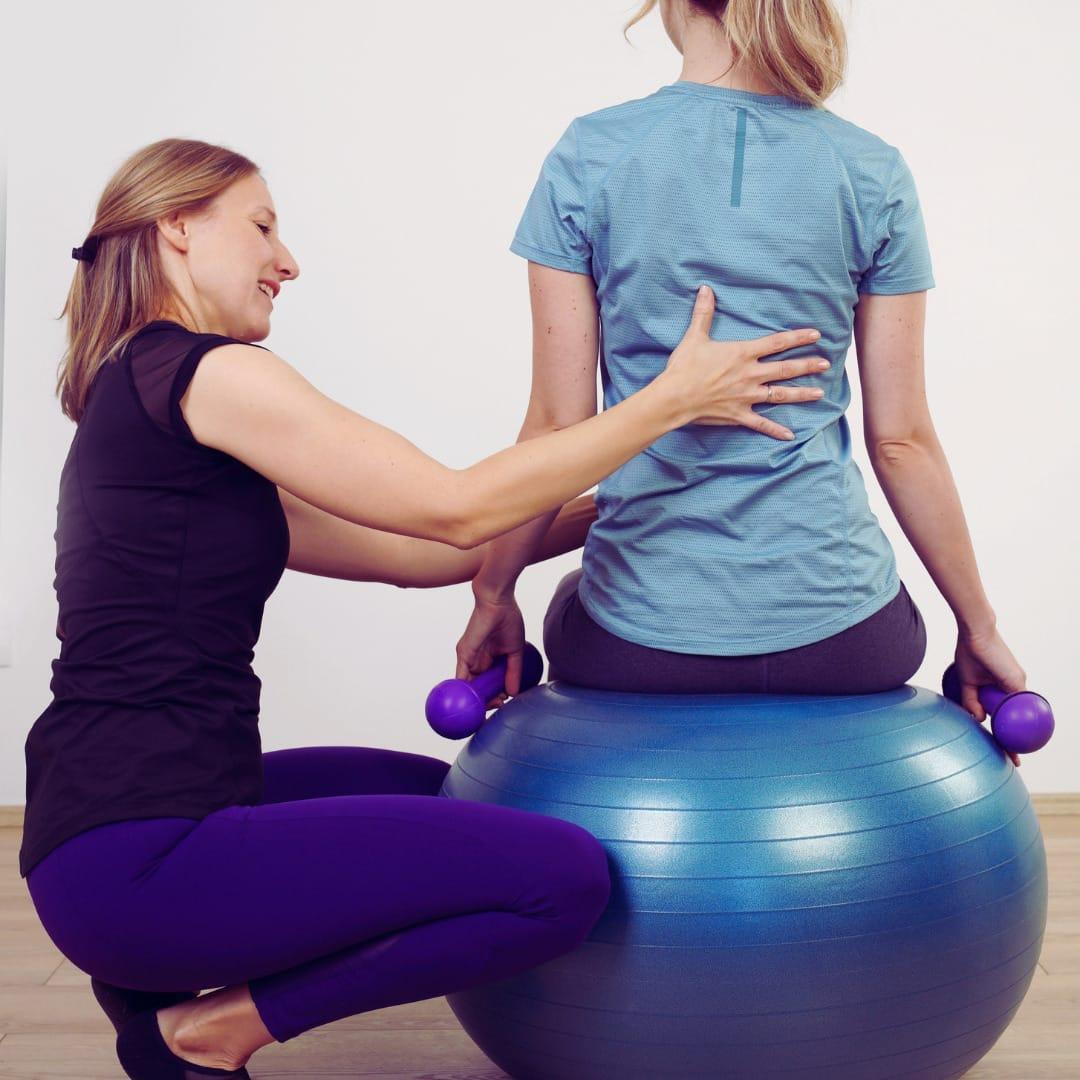
Posture is far more than a matter of social presentation or physical appearance. It is a fundamental determinant of your body's mechanical efficiency and neurological health. The position your body maintains throughout each day affects your spine, muscles, organs, and even your mood. Poor posture creates a cascade of physical consequences that extend well beyond back pain. Understanding how profoundly posture affects overall health transforms how you think about this often-dismissed topic.
Good posture means that your body segments are aligned in their most efficient configuration. In this configuration, the musculoskeletal system functions with minimal unnecessary effort. Joints bear loads evenly and comfortably within their designed range. Nerves exit the spine through uncompressed foramina. Breathing is full and unrestricted by thoracic compression. Energy expenditure during daily activity is minimized, and comfort is maximized.
The Musculoskeletal Impact of Poor Posture
Poor posture creates chronic and progressive mechanical stress on the musculoskeletal system. The most immediate consequences are felt in the muscles that must work overtime to compensate. Forward head posture, for example, requires the posterior cervical muscles to work continuously. These muscles fatigue, develop trigger points, and eventually become chronically painful. The stiffness and pain that result are direct consequences of this mechanical overload.
Spinal discs bear the brunt of postural stress over longer timeframes. Poor alignment creates uneven pressure on disc surfaces that accelerates degeneration. The anterior aspects of lumbar discs are excessively loaded in kyphotic postures. The posterior aspects of cervical discs are overloaded in forward head positions. This sustained asymmetrical loading drives premature disc height loss and eventual herniation risk.
Facet joints are similarly affected by chronic postural misalignment. These small synovial joints guide spinal movement and bear compressive loads. When the spine is held in poor alignment, facet joints are loaded asymmetrically and excessively. Inflammation and degeneration follow over months and years of sustained postural stress. Facet joint syndrome, a common source of chronic back pain, often has its roots in long-standing postural dysfunction.
The Cascade of Compensatory Dysfunction
Poor posture in one region creates compensatory dysfunction throughout the kinetic chain. A forward head posture increases thoracic kyphosis, which rounds the shoulders. Rounded shoulders restrict shoulder joint mechanics and impair rotator cuff function. The thoracic kyphosis increases to maintain a balanced center of gravity. This increased kyphosis compresses the anterior chest and creates breathing restriction. Each compensation creates the conditions for the next, producing a cascade of dysfunction.
Posture and Nervous System Function
The nervous system is profoundly affected by postural alignment. The spinal cord and nerve roots are protected by the vertebral column. When this column is misaligned due to poor posture, neural protection is compromised. Nerve roots can be compressed or irritated at their foraminal exit points. This neural compromise produces pain, altered sensation, muscle weakness, and organ dysfunction.
The vagus nerve, a major parasympathetic pathway, is particularly sensitive to thoracic and cervical posture. Thoracic kyphosis and forward head posture can reduce vagal tone and function. Reduced vagal tone impairs the rest-and-recovery regulation of the heart, digestion, and immune function. Improving posture can therefore have measurable benefits on autonomic nervous system balance. The connection between postural alignment and systemic nervous system health is both real and significant.
Posture and Respiratory Health
Breathing capacity is directly limited by poor thoracic posture. The rib cage must expand in all directions during a full inhalation. Thoracic kyphosis physically restricts this expansion and reduces lung capacity. Patients with pronounced kyphosis often breathe from the upper chest rather than the diaphragm. This shallow breathing pattern reduces oxygen delivery to all body tissues and increases the work of breathing.
Improved thoracic posture and mobility measurably increases respiratory capacity. Research has shown that posture correction increases chest expansion and lung function scores. Better breathing supports cardiovascular function, cognitive performance, and physical endurance. Athletes who address thoracic restriction through posture correction often report improved breathing efficiency. The respiratory benefits of good posture are among its most health-significant but least publicized advantages.
Posture and Digestive Health
Abdominal organ position and function are influenced by postural alignment. Chronic spinal flexion compresses the abdominal cavity and its organs continuously. This compression can impair gastrointestinal motility and organ positioning over time. Many patients with chronic poor posture report digestive discomfort alongside their musculoskeletal symptoms. Postural improvement often produces improvements in digestive comfort as a secondary benefit.
The diaphragm's role in both breathing and digestion is compromised by poor posture. Forward flexion of the trunk reduces diaphragmatic excursion during breathing. Restricted diaphragmatic movement impairs the natural massaging effect on abdominal organs during respiration. Restoring thoracic extension through postural correction allows full diaphragmatic movement. The digestive benefits of this restoration add another dimension to the health value of good posture.
Posture and Mental Health
Research has increasingly documented the psychological effects of body posture. Upright posture is associated with more positive emotional states in multiple studies. Slumped postures correlate with lower mood, reduced energy, and greater feelings of helplessness. The connection is bidirectional: mood affects posture, and posture influences mood through physiological mechanisms. Improving physical posture can therefore contribute meaningfully to emotional wellbeing.
The neurochemical mechanisms linking posture and mood are becoming better understood. Upright posture is associated with lower cortisol and higher testosterone levels. These hormonal changes correlate with greater confidence, reduced stress perception, and improved resilience. Patients who achieve postural correction through professional care frequently report improvements in mood alongside physical improvements. The psychological dimension of postural health deserves greater recognition in both clinical and public conversations.
Visiting a quality chiropractic clinic for professional postural assessment and correction addresses all of these health dimensions simultaneously. Structural correction, soft tissue therapy, and exercise prescription work together comprehensively. Patients achieve improvements in pain, mobility, breathing, and even emotional wellbeing. The investment in professional postural care delivers returns across every dimension of physical and mental health. Good posture is not vanity. It is one of the most health-significant physical qualities you can cultivate.
Posture and Energy Levels
Chronic poor posture is an underappreciated energy drain. The body expends significant resources compensating for suboptimal alignment throughout the day. Muscles that should be working minimally in good posture must work continuously to maintain poor posture. This continuous effort produces fatigue that accumulates throughout the day. People with chronic poor posture often feel tired by mid-afternoon without understanding why.
Improving posture reduces this compensatory energy expenditure significantly. When the body is aligned efficiently, movement requires less muscular effort. Tissues are not under constant tension, so they can repair and recover more effectively between activities. Patients who achieve meaningful postural improvement often report significantly better energy levels throughout the day. This energy benefit is one of the most practically valued outcomes of postural correction programs.
Long-Term Consequences of Unaddressed Poor Posture
The long-term consequences of neglected postural dysfunction are significant. Degenerative disc disease progresses faster in spines that bear asymmetrical postural loads. Facet joint arthritis develops earlier and more severely in poorly aligned spines. Shoulder degeneration, including rotator cuff disease, is strongly associated with postural dysfunction. These degenerative changes are largely irreversible once established, making prevention and early correction critical.
Osteoporotic fracture risk in the thoracic spine is increased by hyperkyphotic posture. The anterior vertebral body is compressed chronically in kyphosis, reducing its structural integrity. Vertebral compression fractures occur more readily in structurally compromised vertebrae. Maintaining good thoracic posture throughout life is therefore a meaningful strategy for reducing fracture risk. The bone health benefits of postural maintenance add another important dimension to this conversation.
Strategies for Improving Posture Daily
Several practical strategies support postural improvement throughout the daily routine. Movement breaks every thirty minutes prevent the accumulation of static postural stress. Brief postural checks during daily activities create regular correction opportunities. Ergonomic workstation setup reduces the postural strain of screen-based work. Strengthening exercises for postural muscles provide the active support that passive correction cannot sustain.
Professional care from a qualified practitioner provides the structural correction that lifestyle modifications alone cannot achieve. Vertebral misalignments that have adapted to poor postural positions must be specifically corrected. Soft tissue restrictions that maintain poor posture must be manually released. Only professional structural correction creates the biomechanical foundation that exercise and ergonomics can then sustain. The combination of professional care and daily postural habits produces the most lasting improvements.
Conclusion
Good posture matters for every dimension of your overall health. Its effects extend from the musculoskeletal system into the nervous system, respiratory function, digestion, mood, and energy levels. Poor posture creates a slowly progressing cascade of dysfunction with serious long-term consequences. Improving posture requires structural correction, muscle retraining, ergonomic optimization, and daily awareness. With the right professional guidance and personal commitment, meaningful postural improvement is achievable at any age.

 Arabic
 French
 Spanish
 Portuguese
 Deutsch
 Turkish
 Dutch
Dutch
 Italiano
 Russian
 Romaian
 Portuguese (Brazil)
 Greek
Greek