


Smart Grocery Shopping: How to Choose and Use Reusable Bags Effectively
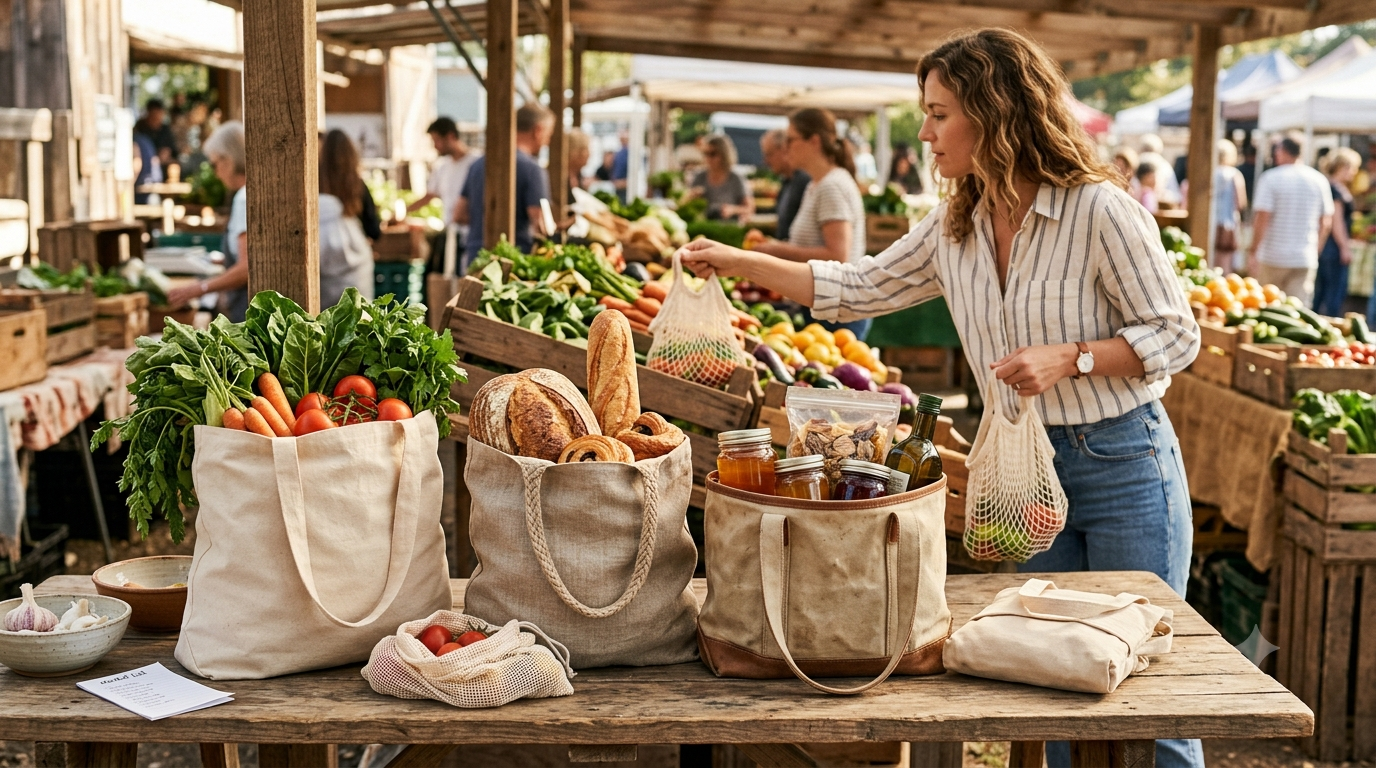
A reusable grocery bag is more than a replacement for a disposable shopping bag. When selected carefully, it can become a practical part of a well-organized shopping routine. The right bag can make it easier to separate groceries, carry heavier products, protect delicate items, and keep shopping trips organized.
With many styles and materials available, shoppers may find it difficult to determine which options are genuinely useful. The best grocery bags reusable for one household may not be suitable for another. A person who shops several times a week may prioritize lightweight bags, while someone who completes a large weekly grocery trip may need larger, sturdier totes.
Understanding how different bags work and matching them to everyday shopping needs can make reusable shopping simpler and more convenient.
Start by Understanding Your Shopping Routine
Before purchasing reusable grocery bags, think about how you normally shop.
Do you make several small trips during the week, or do you purchase most household groceries at once? Do you walk home, use public transportation, cycle, or drive? Do you frequently purchase heavy bottles and cans, or mostly lightweight produce and packaged food?
These questions can help determine what type of reusable bag will work best.
For example, frequent small shoppers may appreciate compact bags that are easy to fold and carry. Larger households may benefit from several spacious totes that can hold a full grocery load without becoming difficult to organize.
The goal is not simply to find a large bag. It is to create a collection of bags that matches your actual shopping pattern.
What Features Matter in a Reusable Grocery Bag?
The best reusable bags for groceries should combine practical construction with convenient everyday use.
Strong Seams and Handles
Handles experience considerable stress when a bag is full. Look for secure stitching and reinforced attachment points, especially if you regularly carry heavy products.
Appropriate Size
A large bag can hold more groceries, but that does not always make it the most useful choice. An extremely full bag can become heavy and difficult to carry.
Medium-sized bags are often versatile because they can accommodate an ordinary grocery trip without encouraging excessive loading.
Comfortable Carrying
Consider whether you prefer carrying bags by hand or over your shoulder. Handle length and width can significantly affect comfort.
Easy Cleaning
Groceries occasionally leak or leave crumbs behind. A washable grocery bag can therefore be practical for regular use. Always check the manufacturer's cleaning instructions before washing.
Convenient Storage
A reusable bag that folds easily is more likely to be taken along on future shopping trips. Consider where you will store your bags at home or in your vehicle.
Match Different Bags to Different Groceries
One useful way to organize shopping is to use different reusable bags for different categories of products.
For example, a shopping trip could include:
-
A sturdy bag for bottles and canned goods
-
A medium tote for packaged groceries
-
A lighter bag for bread and dry products
-
A separate fabric bag for produce
-
A smaller tote for unexpected purchases
This approach can make unpacking easier once you return home.
It can also help prevent delicate items from being crushed beneath heavier groceries.
Why Reusable Fabric Shopping Bags Work Well for Everyday Errands
Reusable fabric shopping bags are particularly versatile because they can be used for more than groceries. Cotton, linen, and canvas bags can serve as shopping totes for a wide range of everyday activities.
Cotton bags can offer a flexible and lightweight option for routine shopping. Canvas designs can provide a more structured feel when carrying heavier items. Linen bags may appeal to shoppers who prefer lightweight natural fabrics.
The important consideration is matching the fabric and construction to the intended use.
A lightweight fabric bag may be perfect for bread and produce but less appropriate for several large bottles. A heavy-duty tote may handle heavier groceries well but take up more storage space.
Cotton and Linen as Reusable Shopping Materials
Natural fabrics can be appealing to shoppers who prefer textile-based reusable products.
Cotton shopping bags are available in a variety of weights and constructions. They can be comfortable for carrying and may be washable when their care instructions permit.
Linen is another option that offers a lightweight, natural textile feel. It can be suitable for everyday errands where a flexible fabric tote is preferred.
Shoppers exploring natural textile products can find examples from brands such as All Cotton and Linen, whose product range focuses on cotton and linen goods for everyday home use.
However, material alone does not determine whether a bag is suitable. Stitching, fabric weight, handle construction, capacity, and care requirements should all be considered.
Reusable Bags vs. Disposable Shopping Bags
Disposable shopping bags can be convenient in situations where a shopper does not have a reusable bag available. Reusable bags, however, are designed to be used repeatedly.
The two options differ primarily in intended use.
A reusable bag requires the shopper to remember it, maintain it, and clean it when necessary. In return, the same bag can be used across many shopping trips.
A disposable bag may require less preparation for a single purchase but is generally intended for limited use.
There is also no universal environmental conclusion that can be made simply from the word "reusable." The practical impact depends on factors such as the material, manufacturing, transportation, frequency of reuse, cleaning, and eventual disposal.
For shoppers, the most useful approach is to select reusable bags that are durable enough to be used repeatedly and that fit naturally into their routine.
How to Keep Reusable Bags Clean
Regular maintenance can help keep washable fabric bags suitable for continued use.
Empty Them After Shopping
Do not leave receipts, food packaging, or loose produce inside the bag. Emptying it after every trip makes cleaning and storage easier.
Deal With Spills Quickly
If a product leaks, clean the affected area as soon as practical. Dried food residue can be harder to remove later.
Follow Care Instructions
Not every fabric bag should be treated the same way. Check the label or manufacturer's instructions before machine washing or using cleaning products.
Dry Completely
Allow washable bags to dry thoroughly before folding them. Proper drying helps keep the bag fresh between shopping trips.
Check for Wear
Inspect handles, seams, and the bottom of the bag periodically. If a bag shows significant wear, consider replacing it rather than continuing to carry heavy loads.
Make Storage Part of the Routine
One of the easiest ways to use reusable bags consistently is to create a dedicated storage system.
Keep frequently used bags near the door, in a shopping basket, or in the vehicle. Fold smaller bags together and store larger totes separately if necessary.
Some households may find it helpful to keep a few bags at home and a few in the car. This can reduce the chances of arriving at the store without a reusable bag.
Simple organization can make a major difference because convenience encourages repeated use.
Reusable Bags Have Uses Beyond the Grocery Store
A versatile reusable bag can become useful throughout the week.
You can use fabric shopping bags for:
-
Farmers' markets
-
Bakery visits
-
Clothing purchases
-
Books and stationery
-
Household supplies
-
Picnic accessories
-
Library trips
-
Small travel items
-
Craft supplies
-
General errands
This versatility can increase the practical value of a reusable bag because it does not need to remain limited to grocery shopping.
How to Build a Practical Bag Collection
You do not need a large collection of reusable bags to shop effectively.
Start by choosing a few bags with different capacities. For example, you might keep one large tote, two medium bags, and one compact foldable bag.
After several shopping trips, pay attention to what you actually use.
If the large bag is always too heavy when filled, add another medium-sized tote. If produce frequently gets mixed with packaged groceries, consider using a separate smaller bag.
This gradual approach can help you build a practical collection without purchasing unnecessary extras.
What Makes the Best Grocery Bag for You?
The phrase best grocery bag can mean different things to different shoppers.
For one person, the priority may be a lightweight foldable design. Another shopper may need a reinforced canvas tote for heavy products. Someone else may prefer washable cotton or linen because the bag is also used for other household errands.
Before buying, consider:
-
Your typical grocery quantity
-
The types of products you purchase
-
Your preferred carrying method
-
Available storage space
-
Cleaning requirements
-
Frequency of use
-
Whether you need one multipurpose bag or several specialized bags
The most useful bag is ultimately the one that fits comfortably into your normal routine.
Creating More Consistent Reusable Shopping Habits
Reusable shopping becomes easier when it is treated as part of the shopping process rather than an extra task.
Keep bags accessible, remember to take them before leaving, organize groceries according to weight and fragility, and clean the bags regularly.
For shoppers researching best reusable groceries bags, focusing on everyday practicality can be more helpful than choosing a bag based solely on appearance or marketing claims.
A durable and washable bag that gets used regularly can be a useful household essential. With the right combination of sizes and materials, reusable grocery totes can support shopping trips while also serving many other everyday purposes.
Conclusion
Choosing reusable grocery bags is ultimately about finding practical products that fit real shopping habits. Material, construction, capacity, handle comfort, washability, storage, and versatility all deserve consideration.
Whether you choose cotton shopping bags, linen totes, canvas bags, or another reusable design, think about what you carry and how often you shop. Select bags that are comfortable enough to use regularly and durable enough for their intended loads.
With a little organization, reusable fabric bags can become dependable companions for grocery trips, farmers' markets, household errands, and everyday shopping. The key is not simply owning reusable bags, but choosing and caring for the ones that genuinely work for your lifestyle.

 English
 Arabic
 French
 Portuguese
 Deutsch
 Turkish
 Dutch
Dutch
 Italiano
 Russian
 Romaian
 Portuguese (Brazil)
 Greek
Greek