


Digital Signage Display: Benefits, Types, Costs and Buying Tips
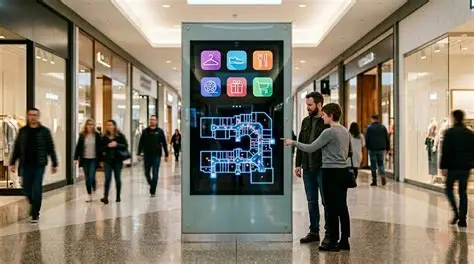
Businesses are constantly looking for more effective ways to communicate with customers, promote products, and deliver information. Traditional posters and printed signs still have their place, but digital technology offers greater flexibility and opportunities for engagement. A digital signage display can showcase videos, images, promotions, menus, announcements, directions, and real-time information on electronic screens.
From retail stores and restaurants to hotels, corporate offices, healthcare facilities, schools, and public spaces, digital signage is becoming an important part of modern communication strategies. But with different screen technologies, sizes, features, and price points available, choosing the right solution requires careful consideration.
This guide covers the main benefits, types, costs, and buying tips to help businesses make an informed decision.
What Is a Digital Signage Display?
A digital signage display is an electronic screen used to communicate visual information to a specific audience. It can display static images, videos, animations, presentations, advertisements, menus, schedules, and other forms of digital content.
A typical digital signage system may include a commercial display or LED screen, media player, content management software, network connection, and mounting equipment.
Unlike traditional printed signage, digital displays allow businesses to change content without printing and replacing physical materials. Content can often be scheduled and updated remotely, making digital signage particularly useful for businesses with frequently changing information.
Benefits of Digital Signage Displays
1. Dynamic and Engaging Content
One of the biggest advantages of digital signage is the ability to display dynamic content. Businesses can combine text, graphics, animations, and video to attract attention.
For example, a retail store can use product videos and promotional graphics, while a restaurant can display changing menu items and special offers.
2. Easy Content Updates
Updating printed signs can involve design, printing, delivery, and installation. Digital signage allows content to be changed electronically, which can make marketing campaigns faster and more flexible.
Businesses can update prices, promotions, announcements, or schedules without physically replacing the screen.
3. Improved Customer Communication
Digital displays can provide useful information exactly where customers need it. Hotels can display event schedules, hospitals can provide directions, and retailers can showcase product information.
This makes digital signage useful for both marketing and practical communication.
4. Consistent Branding
Businesses operating multiple locations can use digital signage to maintain consistent branding. Centralized content management can help distribute approved advertisements, graphics, and announcements across multiple screens.
This can make it easier to maintain a consistent visual identity across different branches.
5. Reduced Printing Dependence
Digital signage can reduce the need for frequently printed promotional materials. Businesses that regularly change campaigns may find electronic content more convenient than repeatedly producing physical signage.
However, the overall financial benefit depends on equipment costs, electricity consumption, software, maintenance, and how frequently content changes.
Types of Digital Signage Displays
There is no single digital signage solution suitable for every business. The appropriate type depends on the application and installation environment.
Indoor Digital Signage
Indoor displays are widely used in retail stores, restaurants, offices, hotels, schools, and healthcare facilities.
They are generally designed for controlled lighting environments and can prioritize factors such as image quality, viewing angle, design, and resolution.
Outdoor Digital Signage
Outdoor displays are designed for more demanding environments. They may need high brightness, weather resistance, durable cabinets, and appropriate thermal management.
Outdoor digital signage is commonly used for advertising, transportation information, sports venues, roadside displays, and outdoor events.
LED Digital Signage
LED displays consist of light-emitting diodes and can be configured in various sizes and formats. They are particularly useful for large-format applications where high brightness and visibility are important.
LED technology is available for both indoor and outdoor applications, with different pixel pitches designed for different viewing distances.
Video Walls
A video wall combines multiple displays to create one large visual canvas. These installations can be useful in shopping centres, corporate environments, control rooms, entertainment venues, and exhibitions.
Interactive Displays
Interactive digital signage allows users to interact with content through touchscreens or other interfaces. These systems can be used for self-service, product browsing, wayfinding, information kiosks, and educational applications.
How Much Does a Digital Signage Display Cost?
The cost of digital signage varies widely depending on the display technology, screen size, resolution, software, installation requirements, and other components.
Some of the factors that influence the total cost include:
- Screen size
- Display technology
- Resolution
- LED pixel pitch
- Brightness
- Indoor or outdoor specifications
- Media player
- Content management software
- Mounting equipment
- Installation
- Network infrastructure
- Custom fabrication
- Maintenance requirements
For this reason, businesses should avoid relying on a single price-per-screen estimate. A small indoor display and a large outdoor LED installation have very different technical and infrastructure requirements.
The best approach is to define your project requirements and request a detailed quotation covering both equipment and services.
Digital Signage Display Buying Tips
1. Define Your Purpose
Before purchasing anything, determine what you want the display to accomplish.
Will it be used for advertising, menus, announcements, wayfinding, customer education, entertainment, or internal communication?
Your objective will influence the screen type, size, software, and content requirements.
2. Measure the Viewing Distance
Viewing distance is critical when selecting resolution and pixel pitch.
If customers will stand close to the display, you may need a higher-resolution solution. Large outdoor screens viewed from a distance may require different specifications.
Choosing specifications based on viewing conditions can prevent unnecessary spending.
3. Select the Correct Brightness
Brightness should match the environment.
Indoor displays generally require less brightness than outdoor screens. If an indoor display is positioned near windows or strong lighting, additional brightness may be necessary.
Outdoor screens require substantially higher brightness to remain visible in daylight.
4. Check the Refresh Rate
If your display will show video or be recorded by cameras, refresh rate can be an important consideration.
Higher refresh rates can help provide smoother visual performance and reduce certain camera-related display issues.
This is especially relevant for concerts, events, livestreams, studios, and broadcast environments.
5. Consider Content Management
A good digital signage system should make content easy to manage.
Look for software that allows you to upload, schedule, organize, and distribute content efficiently. Businesses with several locations may benefit from cloud-based platforms that support centralized management.
6. Evaluate Installation Requirements
Consider where the display will be installed and how it will be mounted.
Wall mounting, ceiling mounting, freestanding installations, and large LED structures may have different structural and electrical requirements.
Professional installation can help ensure proper alignment, cable management, ventilation, and system configuration.
7. Ask About Warranty and Maintenance
Before purchasing, understand the warranty terms and available after-sales support.
Ask about spare parts, technical assistance, repair procedures, and maintenance services. This is particularly important for large installations where screen downtime could affect business operations.
Common Digital Signage Applications
Digital signage can be used across many industries.
Retail: Promotions, product launches, pricing, advertisements, and brand campaigns.
Restaurants: Digital menus, food promotions, ordering information, and announcements.
Hotels: Event schedules, guest information, directions, and promotional messages.
Corporate Offices: Internal announcements, dashboards, meeting information, and company communications.
Healthcare: Wayfinding, queue information, educational content, and announcements.
Education: Campus notices, schedules, event information, and learning materials.
Events: Sponsorships, presentations, schedules, advertisements, and live content.
Digital Signage vs Traditional Signage
Traditional signage can be inexpensive and effective for permanent messages, but it can be less flexible when information changes frequently.
Digital signage requires a higher initial investment but provides greater content flexibility. Businesses can update messages, run multiple campaigns, display video, and schedule content without producing new physical signs.
The right choice depends on the frequency of content changes, budget, location, audience, and communication objectives.
Final Thoughts
A digital signage display can provide businesses with a flexible platform for advertising, customer communication, information sharing, and brand presentation. Its ability to display dynamic content and support remote updates makes it suitable for a wide range of commercial applications.
Before making a purchase, consider the display's type, size, resolution, brightness, viewing distance, pixel pitch, software, installation requirements, energy consumption, warranty, and maintenance support.
Most importantly, look beyond the initial purchase price. The best solution is one that matches your business objectives and provides appropriate performance and reliability over its expected lifespan. With proper planning and a suitable supplier, digital signage can become a valuable long-term communication tool in 2026.

 English
 Arabic
 French
 Spanish
 Portuguese
 Deutsch
 Dutch
Dutch
 Italiano
 Russian
 Romaian
 Portuguese (Brazil)
 Greek
Greek