


Exploring the Unique Sound of Cutaway Acoustic Electric and 12 String Harp Guitars
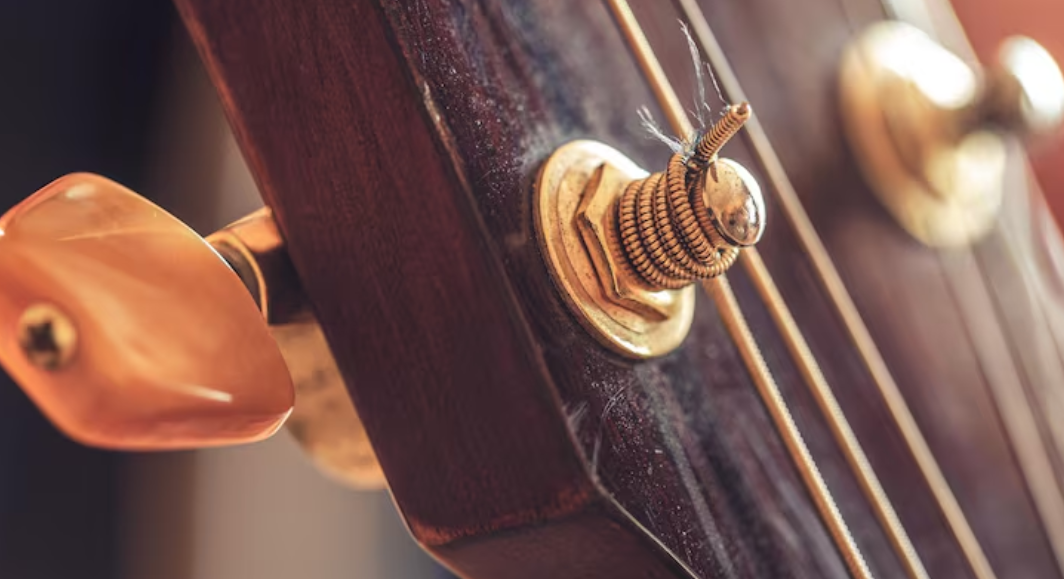
Choosing an acoustic guitar is an exciting experience because every instrument offers its own combination of tone, comfort, appearance, and versatility. Among the many available designs, the cutaway acoustic electric guitar and 12 string Acoustic-Electric harp guitar stand out for musicians who want something beyond a traditional acoustic instrument. Both styles offer distinctive playing experiences while providing the flexibility needed for practice, recording, performances, and creative songwriting.
A guitar should not only sound good but also feel comfortable in the player's hands. Body shape, neck access, string configuration, electronics, and construction all influence how an instrument performs. Understanding these characteristics can help musicians select an instrument that matches their playing style and musical goals.
Understanding the Cutaway Acoustic Electric Guitar
A cutaway acoustic electric guitar features a body design with a section removed near the neck joint. This cutaway provides easier access to the higher frets, making it particularly useful for players who frequently explore melodies, solos, lead passages, and extended chord shapes.
Traditional acoustic guitars can sometimes feel restrictive when a player needs to reach the upper portion of the fretboard. The cutaway design addresses this issue by creating additional space for the fretting hand. This makes the instrument appealing to musicians who want the natural resonance of an acoustic guitar while maintaining greater fretboard accessibility.
The electric component adds another layer of versatility. Built-in electronics allow the guitar to be connected to an amplifier, acoustic speaker system, recording equipment, or other compatible audio equipment. Instead of relying solely on microphones, players can amplify their sound more conveniently for live performances and rehearsals.
Benefits of a Cutaway Design
One of the most noticeable benefits of a cutaway guitar is improved upper-fret access. Players who enjoy fingerstyle arrangements, lead guitar, or melodic improvisation may appreciate being able to move comfortably toward the higher frets.
The design can also provide a modern appearance. While traditional acoustic guitars often have symmetrical body shapes, a cutaway introduces a distinctive visual element. For performers, this can create an instrument that looks as versatile as it sounds.
Another advantage is the combination of acoustic character and amplification. A cutaway acoustic electric guitar can work well in different musical environments, from casual home sessions to professional stages. Players can practice acoustically and then connect to an amplifier when additional volume or tonal shaping is needed.
What Makes a 12 String Acoustic-Electric Harp Guitar Different?
The 12 string Acoustic-Electric harp guitar offers a much more unusual configuration. Rather than simply adding more strings to a conventional guitar, the harp guitar design incorporates additional strings outside the standard fretboard area. These extra strings can produce bass notes, drones, and complementary harmonies that expand the instrument's tonal range.
A twelve-string configuration already creates a naturally rich sound because paired strings produce additional resonance and harmonic complexity. When combined with a harp-style arrangement, the instrument becomes an expressive tool for musicians interested in layered acoustic textures.
The additional strings can be incorporated into compositions to create sounds that might otherwise require multiple instruments. A player can use the fretted portion for chords and melodies while incorporating the extra strings for bass notes or sustained tones.
Exploring Tonal Possibilities
The tonal possibilities of a 12 string Acoustic-Electric harp guitar can be particularly interesting for fingerstyle musicians and composers. The extra strings provide opportunities to create arrangements with greater depth and contrast.
For example, a musician might play a repeating bass pattern on the harp strings while performing a melody on the main fretboard. This technique can create the impression of several musical parts being performed simultaneously.
The twelve-string component also contributes to a broad and shimmering sound. When strings are paired and tuned appropriately, small differences in vibration can create a fuller acoustic character. This makes the instrument suitable for atmospheric arrangements, folk-inspired music, acoustic compositions, and experimental performances.
Choosing Between Different Guitar Styles
When deciding between these instruments, musicians should consider how they plan to use the guitar. A cutaway design may be particularly practical for players who prioritize comfortable access to higher frets and straightforward amplification.
A harp guitar, on the other hand, is designed for musicians who want to explore unusual arrangements and expanded tonal possibilities. Its additional strings require a different playing approach, so beginners may need time to become comfortable with the instrument's layout.
Neither design has to replace a traditional acoustic guitar. Instead, these instruments can provide specialized options for players who want to expand their musical vocabulary.
The Importance of Playability
Playability should always be considered when selecting an acoustic instrument. Neck shape, string spacing, action, body size, and overall balance can influence how comfortable an instrument feels during extended playing sessions.
For a cutaway acoustic guitar, fret access is an important part of playability. The shape allows the fretting hand to move toward the upper register with fewer physical restrictions.
With a harp guitar, players need to become familiar with both the primary fretboard and the additional strings. Proper posture and hand positioning can make it easier to incorporate the extra strings naturally into an arrangement.
Amplification and Performance
The acoustic-electric aspect of these instruments makes them useful for musicians who perform outside of quiet practice environments. Built-in electronics can make amplification more convenient and reduce some of the challenges associated with positioning external microphones.
A cutaway acoustic electric guitar can be especially practical for performers who move between rhythm playing and lead passages. The combination of upper-fret accessibility and amplification makes it suitable for a variety of performance settings.
Similarly, a 12 string Acoustic-Electric harp guitar can provide a distinctive amplified sound for performers who want their additional bass or harp strings to remain an important part of the overall arrangement.
Practice and Creative Development
Unusual guitar designs can also encourage musicians to approach songwriting differently. A new instrument often introduces unfamiliar chord shapes, textures, and techniques. This can help break repetitive practice habits and inspire fresh musical ideas.
The cutaway design can encourage players to explore higher-register melodies. Meanwhile, a harp guitar can encourage experimentation with independent bass lines, drones, and layered fingerstyle arrangements.
Musicians do not need to master every technique immediately. Spending time learning the instrument gradually can lead to more natural and expressive playing.
Finding the Right Instrument
When shopping for either style, consider construction quality, tone, comfort, electronics, tuning stability, and intended use. A guitar should feel natural to hold and play, particularly if it will be used for long practice or performance sessions.
It is also useful to consider the type of music you enjoy. Players focused on accessible performance and higher-fret playing may appreciate the practical design of a cutaway acoustic electric guitar. Musicians searching for an unusual acoustic voice may be drawn toward the expanded range of a 12 string Acoustic-Electric harp guitar.
Ultimately, the best instrument is one that supports the player's musical goals. A guitar can become an important part of a musician's creative identity, so choosing a design that inspires regular playing is valuable.
Conclusion
Both the cutaway acoustic electric guitar and the 12 string Acoustic-Electric harp guitar offer distinctive approaches to acoustic music. The cutaway design emphasizes accessibility, versatility, and convenient amplification, while the harp guitar introduces additional strings and a broader tonal palette.
For musicians seeking an instrument that encourages experimentation, either style can provide exciting opportunities. Whether the goal is performing melodic passages, developing fingerstyle techniques, creating layered arrangements, or simply discovering new sounds, these guitars can open the door to creative possibilities. With patience, practice, and the right setup, an instrument with an unconventional design can become a powerful and inspiring part of a musician's musical journey.

 English
 Arabic
 French
 Spanish
 Portuguese
 Turkish
 Dutch
Dutch
 Italiano
 Russian
 Romaian
 Portuguese (Brazil)
 Greek
Greek