
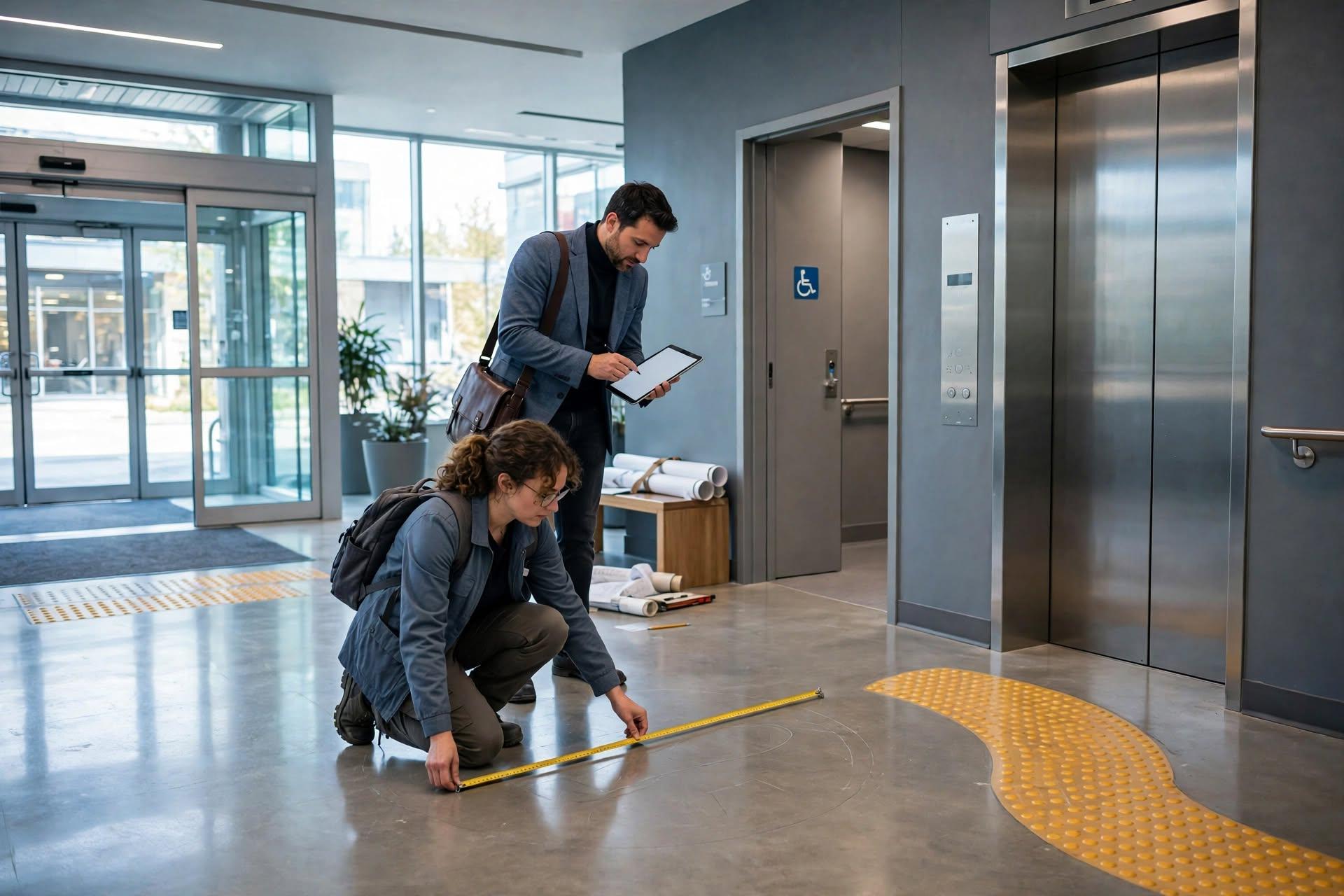
Creating an accessible building involves more than adding a ramp or making a few changes to the entrance. Every part of a space should allow people to arrive, move around, find the facilities they need and leave with confidence. Working with an accessibility consultant canada can help organisations understand these needs and make informed decisions about the built environment from the early planning stages through to the review of existing facilities.
Accessibility is most effective when it is considered throughout a project rather than treated as a final checklist. A thoughtful approach looks at how people with different abilities experience a building and identifies practical ways to reduce barriers.
Why Accessibility Needs a Complete Approach
A building can appear accessible at first glance but still create difficulties for the people using it. An accessible entrance, for example, does not guarantee that visitors can reach reception, understand the available signs or use the facilities independently.
This is why accessibility should be considered across the entire built environment. Entrances, corridors, lifts, doorways, washrooms, parking areas and signage all contribute to the experience. If one part of the route creates a barrier, it can affect a person's ability to use the rest of the building.
Vortex Access provides independent accessibility and barrier-free design consultancy services focused on making buildings work for people regardless of age or ability. Its services include design reviews, existing-building audits, compliance reviews, universal design advisory and training. These services help clients identify concerns and develop practical recommendations for more inclusive environments.
For organisations planning a new development or improving an existing property, this broader perspective can help accessibility become part of everyday project decisions. It also makes it easier to recognise that different users may experience the same space in very different ways.
Looking Beyond Individual Features to the User Journey
One of the most useful ways to understand accessibility is to consider the complete journey a person takes through a building. Instead of examining individual features separately, this approach considers how each area connects with the next.
An accessibility user journey assessment considers the experience from arrival to departure. It can help identify barriers that might otherwise be overlooked during a feature-by-feature review.
For example, consider someone visiting a public facility for the first time. Their experience may involve:
-
Finding accessible parking or an appropriate drop-off point.
-
Reaching the main entrance without unnecessary obstacles.
-
Entering the building and locating reception.
-
Understanding signs and finding the correct route.
-
Reaching the required rooms and facilities.
-
Using the space and leaving safely.
Each stage matters. A visitor might reach the entrance without difficulty but struggle to locate the reception desk. Another person may navigate the corridors but find that the signs are difficult to understand. These challenges show why accessibility should be considered as a connected experience.
An accessibility user journey assessment helps bring these stages together. It gives project teams a clearer picture of how people interact with the environment and where improvements may be needed.
How Specialist Consultancy Supports Better Decisions
Accessibility advice can support a project at different stages, depending on whether a building is being planned, designed, constructed or already used.
During the design stage, an accessibility design review can examine drawings and proposed layouts to identify potential barriers before they become difficult to address. Early feedback gives architects, designers and project teams an opportunity to consider inclusive solutions while decisions are still being developed.
For existing buildings, an accessibility audit can help identify physical barriers and areas that may need improvement. This provides organisations with a clearer understanding of current conditions and helps them consider which changes should receive attention.
A compliance review can also help identify gaps between existing or proposed conditions and relevant accessibility requirements. The findings can support decisions about corrective actions and further review.
The work of an accessibility consultant canada should also consider the people who will use the space. Different needs can affect how someone moves, communicates, understands information or uses facilities. Universal design principles help teams think beyond a single type of user and consider a wider range of abilities.
Vortex Access also provides training and capacity-building services. These can help teams develop practical accessibility knowledge and recognise inclusive design considerations during their own work. Together, these services support a more consistent approach rather than relying on isolated changes.
Conclusion
Accessible environments are created through informed planning, careful assessment and an understanding of how people experience spaces in everyday situations. Organisations in Canada can benefit from considering accessibility from the earliest design decisions through to the ongoing use of a building. A complete review should look at individual features as well as the connections between them, so that people can move through a facility with greater independence and dignity.
An accessibility user journey assessment can help reveal barriers across the complete experience, from arrival to departure. Vortex Access offers accessibility consultancy, design reviews, audits and advisory services to support more inclusive built environments. Exploring these services is a practical starting point for organisations that want to understand their spaces and identify opportunities for improvement.
FAQ
1. What does an accessibility consultant do?
An accessibility consultant helps organisations understand barriers within buildings and the built environment. This may include reviewing designs, assessing existing facilities, identifying compliance gaps and recommending practical improvements.
2. When should accessibility be considered in a building project?
Accessibility should be considered as early as possible, ideally during planning and design. Early reviews can identify potential problems before construction or later changes make improvements more complicated.
3. What is included in a user journey assessment?
It considers the different stages of a person's experience within a building, such as arrival, entrance, reception, navigation, access to facilities and departure. The aim is to identify barriers along the complete journey.
4. Can existing buildings be assessed for accessibility?
Yes. Existing-building accessibility audits can examine features such as entrances, circulation routes, doorways, washrooms, signage and parking. The findings can help organisations understand where improvements may be required.


