


How to Quilt: A Beginner’s Guide to Quilting
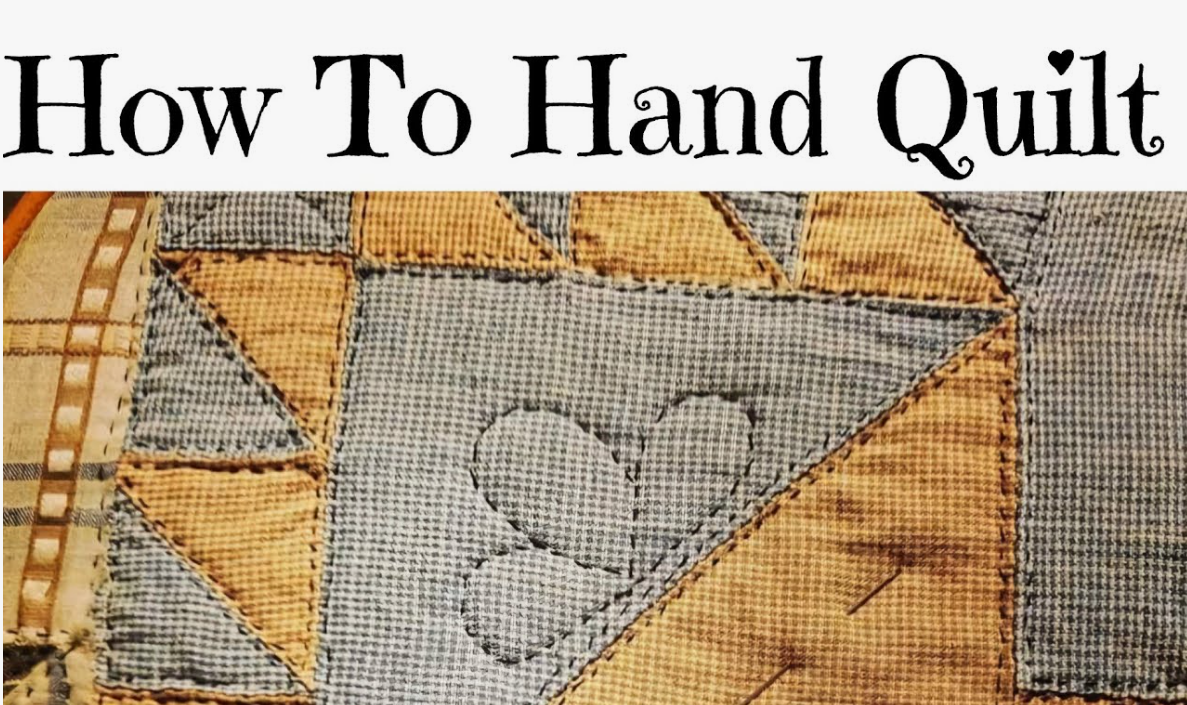
Quilting is a creative craft that combines fabric, color, pattern, and simple sewing techniques to make something beautiful and useful. If you have always wanted to learn how to quilt, you may feel unsure about where to begin. The good news is that you do not need advanced sewing skills to get started. With a few basic supplies, some patience, and a simple project, quilting can become an enjoyable hobby.
This guide explains how to quilt and introduces the essential techniques of quilting for beginners. Whether you want to make a small wall hanging, baby quilt, table runner, or full-size bed quilt, learning the basics will give you a strong foundation.
What Is Quilting?
Quilting is the process of joining layers of fabric together with stitches. A traditional quilt usually has three main layers: the quilt top, batting, and backing.
The quilt top is the decorative layer. It may be made from individual fabric pieces arranged into a pattern or created from larger pieces of fabric. Batting is the soft middle layer that gives the quilt warmth and thickness. The backing is the fabric on the back of the quilt.
These layers are stitched together, usually with a sewing machine or by hand. The finished stitching can also add texture and visual interest to the quilt.
How to Quilt: Start With Basic Supplies
One of the best tips for quilting for beginners is to avoid buying every quilting tool at once. Start with a few basic supplies and add more as your skills develop.
You will generally need:
- Cotton quilting fabric
- Sewing machine or hand-sewing supplies
- Thread
- Fabric scissors or a rotary cutter
- Cutting mat
- Quilting ruler
- Batting
- Fabric for the backing
- Pins or quilting clips
- Iron and ironing board
Cotton is a popular choice because it is easy to sew, comfortable to handle, and available in many colors and designs.
Choose a Simple Quilt Pattern
When learning how to quilt, your first project should be manageable. A simple patchwork design is often a good starting point.
Squares and rectangles are easier to cut and sew than complicated shapes. For example, you could make a quilt from 5-inch squares arranged in rows. You can use several coordinating fabrics or create a simple two-color design.
Do not worry about making your first quilt perfect. The purpose of an early project is to practice measuring, cutting, sewing, pressing, and assembling the layers.
Prepare and Cut Your Fabric
Before cutting, wash and dry your fabric if the finished quilt will eventually be washed. This can help reduce the chance of significant shrinkage later.
Measure your fabric carefully and use a rotary cutter and quilting ruler when possible. Accurate cutting makes the sewing process much easier.
If your pattern requires several fabric pieces of the same size, take your time when cutting. Small differences can become more noticeable when many pieces are joined together.
Keep your pieces organized as you work. Small containers, labeled piles, or a design wall can help you keep track of different fabrics and quilt blocks.
Sew the Quilt Pieces Together
Once your pieces are cut, begin sewing them together according to your pattern.
For many patchwork quilts, you will sew individual pieces into rows and then join the rows together. A consistent seam allowance is important. Many quilting patterns use a ¼-inch seam allowance, but always check the instructions for your particular pattern.
After sewing each seam, press the fabric. Some quilters press seams open, while others press them toward one side. Following the method recommended by your pattern can help keep your blocks neat.
This stage is one of the most important parts of quilting for beginners because it teaches you how fabric behaves as you work with it.
Assemble the Quilt Top
After sewing your blocks or rows together, lay the pieces out before making the final seams. This gives you a chance to check the arrangement of colors and patterns.
Step back and look at the overall design. If something looks out of place, it is much easier to move a block now than after everything has been sewn together.
Once you are happy with the arrangement, sew the pieces together and press the finished quilt top.
Create the Quilt Sandwich
The next step in learning how to quilt is assembling the three layers.
Place the backing fabric with the right side facing down. Add the batting on top, followed by the quilt top with the right side facing up.
These layers need to stay together while you quilt them. You can use safety pins, quilting clips, temporary spray adhesive, or another suitable method.
Make sure the layers are smooth before beginning the quilting stitches. Wrinkles or folds can become difficult to remove once the layers are stitched together.
Add the Quilting Stitches
Now it is time to quilt the layers together.
Beginners often find straight-line quilting easier than complicated free-motion designs. You can sew simple lines across the quilt or follow the seams between blocks.
If you are using a sewing machine, practice on a small sample first. This allows you to become comfortable with the fabric and machine settings before working on your finished quilt.
Hand quilting is another option. It takes more time, but many people enjoy the slower, traditional process.
There is no single correct way to quilt. Your choice can depend on your preferred style, equipment, and the type of quilt you are making.
Finish the Quilt With Binding
After quilting the layers, trim the edges so they are neat and even. The final step is usually adding binding around the outside edge.
Binding is a strip of fabric that covers the raw edges of the quilt. It gives the quilt a finished appearance and helps protect the edges.
You can purchase pre-made binding or make your own from quilting fabric. Sewing binding may take some practice, so do not be discouraged if your first attempt is not perfect.
Helpful Quilting Tips for Beginners
If you are new to quilting, keep these simple tips in mind:
Start small. A table runner, pillow cover, or small wall quilt can be less intimidating than a large bed quilt.
Measure carefully. Accurate cutting makes a major difference when joining multiple pieces.
Practice your seams. Consistent seam allowances help your quilt blocks fit together properly.
Press as you go. A well-pressed block is generally easier to assemble.
Choose fabrics you enjoy. Quilting is a creative hobby, so your project should reflect your personal taste.
Do not fear mistakes. Small imperfections are part of learning. Each project will teach you something new.
Enjoy the Creative Process
Learning how to quilt is not only about following instructions. It is also about experimenting with fabric, color, texture, and design. As you gain confidence, you can try more detailed patterns, different quilting techniques, appliqué, curved pieces, and free-motion quilting.
The most important part of quilting for beginners is to start. Choose a simple pattern, gather a few fabrics, and give yourself permission to learn as you go.
With practice, the basic steps will become familiar. Eventually, you may find yourself creating quilts that are not only beautiful but also meaningful gifts, family keepsakes, and lasting reminders of your creativity.

 English
 Arabic
 French
 Portuguese
 Deutsch
 Turkish
 Dutch
Dutch
 Italiano
 Russian
 Romaian
 Portuguese (Brazil)
 Greek
Greek