


Can You Park an RV on the Street or in Your Driveway?
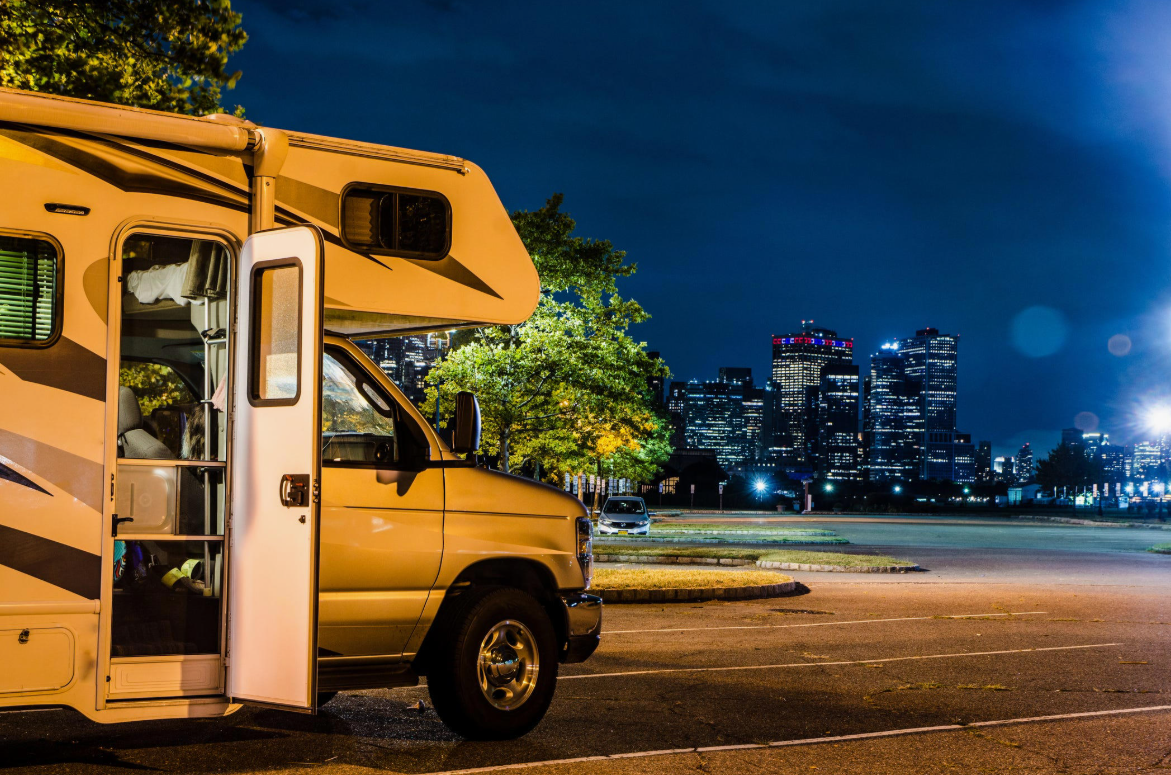
Owning an RV gives you the freedom to travel, enjoy weekends outdoors, and take your home comforts wherever you go. But when you're not traveling, you need a convenient and legal place to keep it. Many RV owners ask two common questions: Can you park an RV on the street? and can you park an RV in your driveway?
The answer depends on where you live, local parking regulations, HOA rules, and the size and type of your RV. Understanding these rules before parking your recreational vehicle can help you avoid fines, complaints, or other problems.
Can You Park an RV on the Street?
In some locations, temporary RV street parking may be allowed. However, many cities and neighborhoods have restrictions on oversized vehicles, recreational vehicles, trailers, and motorhomes.
Local governments may limit how long an RV can remain parked on a public street. For example, an RV might be allowed for loading, unloading, or preparing for a trip but prohibited from remaining on the street for several days or weeks.
Other areas may have restrictions based on the vehicle's size. A large motorhome or travel trailer could take up significant curb space, block visibility, or interfere with traffic. Because of these concerns, municipalities may have special regulations for recreational vehicles.
Before parking your RV on the street, check your city's parking rules and any applicable county regulations. Pay attention to signs posted on the street as well as restrictions covering oversized or commercial vehicles.
Why Street Parking Rules Matter
Street parking is different from parking an RV on private property. A public street is generally controlled by local authorities, which means homeowners cannot automatically assume they can leave an RV there simply because the space is directly in front of their house.
Rules may cover:
- How long the RV can remain parked
- Whether overnight parking is permitted
- Maximum vehicle length or height
- Whether trailers can be detached
- Required permits
- Blocking sidewalks or driveways
- Street-cleaning or snow-removal restrictions
- Temporary parking during loading and unloading
Even if neighbors regularly park RVs on the street, that does not necessarily mean the practice is permitted. Regulations can differ between neighboring communities.
Can You Park an RV in Your Driveway?
For many homeowners, a driveway seems like the easiest place to store an RV. However, can you park an RV in your driveway? Again, the answer depends on local rules and property restrictions.
Some cities allow RVs to be parked in residential driveways as long as they meet certain requirements. Others may restrict recreational vehicles from being stored in front yards or on driveways visible from the street.
The size of your driveway can also matter. Your RV may technically fit on the property but still violate rules if it extends over a sidewalk, blocks access, or protrudes into a public right-of-way.
Before storing your RV at home, review your local zoning and parking regulations. If you live in a planned community, condominium development, or neighborhood with a homeowners association, check those rules as well.
Check Your HOA Rules
Homeowners association rules can be stricter than general city parking regulations.
An HOA may have specific requirements regarding where recreational vehicles can be parked or stored. Some communities prohibit RVs from being visible from the street, while others require them to be kept in a garage, behind a fence, or in a designated storage area.
HOA rules can also address how long an RV may sit in a driveway. A community might allow temporary parking for preparation before a trip while prohibiting long-term storage.
If you're considering buying an RV and plan to keep it at home, checking HOA documents beforehand can save you from an unpleasant surprise.
Consider the Size of Your RV
Not every RV creates the same parking challenges. A small camper van may fit easily into a residential driveway, while a large Class A motorhome or fifth-wheel trailer may require considerably more space.
Measure both your RV and the area where you intend to park it. Consider:
- Overall length
- Width
- Height
- Turning radius
- Clearance from structures
- Distance from the sidewalk
- Access to your garage
- Space needed to connect or disconnect a trailer
Don't forget accessories such as bike racks, ladders, mirrors, awnings, and trailer hitches. These can add to the RV's overall dimensions.
Can an RV Block a Sidewalk?
One of the most important considerations when parking an RV at home is pedestrian access.
If the RV extends across a sidewalk, it can create a safety problem and may violate local regulations. Pedestrians, wheelchair users, parents with strollers, and children may be forced into the street to get around the vehicle.
Even if your driveway is long enough for the RV itself, check whether the vehicle remains completely within the permitted parking area.
What About Temporary RV Parking?
Temporary parking is often treated differently from long-term storage. You may need to park your RV at home before a trip so you can load food, luggage, camping equipment, bicycles, and other supplies.
Similarly, you may need to leave the RV at home briefly after returning from a trip while you clean and unload it.
Some local regulations allow this type of temporary use. However, the exact time limits vary considerably. Don't assume that a rule allowing short-term parking gives you permission to store the RV in the same location indefinitely.
Alternatives to Home or Street Parking
If local regulations make driveway or street parking difficult, RV storage facilities can be a practical alternative.
Dedicated RV storage may offer outdoor spaces, covered parking, or enclosed storage depending on the facility. Some locations provide additional amenities such as electrical hookups, security features, dump stations, or washing areas.
Another option is storing the RV on private property with permission from the property owner, provided local regulations allow it.
Keeping your RV at a dedicated storage facility can also free up your driveway and reduce concerns about neighborhood restrictions.
How to Find the Rules for Your Area
Because RV parking laws vary so much, the safest approach is to verify the rules that apply specifically to your property.
Start by checking your city's official website or contacting the local parking, zoning, or code-enforcement department. If you're part of an HOA, review the governing documents or contact the association directly.
Ask specific questions about:
- Whether RVs can be parked in residential driveways.
- Whether street parking is permitted.
- How long an RV can remain parked.
- Whether a permit is required.
- Whether the RV must be behind a fence or out of public view.
- Whether there are size restrictions.
- Whether trailers must remain attached to a towing vehicle.
Getting clear answers before parking your RV can prevent unnecessary conflicts.
Final Thoughts
So, can you park an RV on the street? Sometimes, but public street parking is often subject to local time, size, permit, and vehicle restrictions.
And can you park an RV in your driveway? In many places, it may be possible, but zoning rules, HOA regulations, property layout, and RV dimensions can affect what you're allowed to do.
The best approach is to check your local regulations rather than relying on assumptions or what other RV owners are doing. With the right information, you can choose a convenient storage solution while keeping your RV, property, and neighborhood in compliance with applicable rules.

 English
 Arabic
 French
 Spanish
 Portuguese
 Deutsch
 Turkish
 Dutch
Dutch
 Italiano
 Russian
 Portuguese (Brazil)
 Greek
Greek