

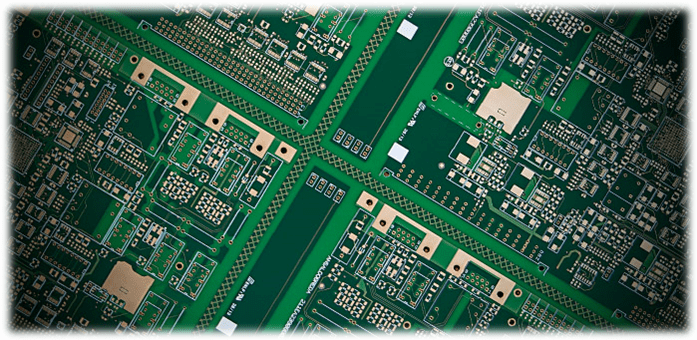

Developing a successful electronic product requires more than an innovative idea. Engineers must create accurate circuit designs, test component performance, identify potential problems, and ensure that every part of the PCB works as expected. However, long manufacturing timelines can slow down these activities and make product development more challenging.
Quick turn PCB prototyping offers an efficient way to overcome these challenges. It allows engineers to receive physical circuit boards within shorter production timelines, helping them test designs, evaluate functionality, and make necessary improvements sooner.
For engineers working on new electronic products, choosing quick turn PCB prototyping can improve development efficiency, reduce design risks, and support faster product innovation. Whether developing a simple circuit board or a complex multilayer design, rapid prototyping provides valuable opportunities to test and refine ideas before mass production.
What Is Quick Turn PCB Prototyping?
Quick turn PCB prototyping is a manufacturing process that produces printed circuit board prototypes within accelerated timelines. It allows engineers to convert digital PCB layouts into physical boards that can be assembled and tested before moving into full-scale production.
These prototypes help development teams evaluate circuit functionality, component placement, electrical connections, and overall board performance.
Unlike conventional manufacturing schedules that may involve longer waiting periods, quick turn services prioritize faster production while addressing the technical requirements of the project.
This approach is particularly useful for electronics engineers, product developers, startups, and manufacturers who need to validate designs efficiently.
Why Should Engineers Choose Quick Turn PCB Prototyping?
1. Faster Prototype Availability
One of the biggest reasons engineers choose quick turn PCB prototyping is shorter manufacturing turnaround time. Waiting for physical circuit boards can delay testing and interrupt important development activities.
Quick turn manufacturing helps reduce these waiting periods, allowing engineers to receive prototypes sooner and continue working on their projects.
Faster availability is especially beneficial when development teams are working with strict deadlines or need to evaluate multiple design versions.
2. Early Detection of Design Errors
Even a carefully prepared PCB layout can contain problems that become noticeable only after physical manufacturing. These may include incorrect component footprints, connection errors, signal interference, or unexpected thermal issues.
Quick turn PCB prototypes allow engineers to identify such problems earlier in the development process.
Once an issue is discovered, engineers can modify the circuit layout and prepare an updated design before committing to larger manufacturing quantities. This helps reduce production risks and prevent expensive corrections later.
3. Easier Design Modifications
PCB development often involves multiple design revisions. Engineers may need to reposition components, adjust circuit connections, or improve board layouts after reviewing prototype performance.
Quick turn prototyping makes these changes easier to manage by reducing the time needed to receive updated boards.
This creates a continuous development cycle in which engineers can test, evaluate, and improve their designs more efficiently. It also allows teams to experiment with different approaches without unnecessary manufacturing delays.
4. Reduced Product Development Costs
Although expedited prototype manufacturing may involve higher individual board costs, it can help reduce overall development expenses.
For example, identifying an incorrect circuit connection during prototype testing is generally less expensive than discovering the same issue after producing hundreds of boards.
Quick turn prototyping also helps reduce delays that can affect engineering resources and project schedules. By identifying problems earlier, businesses can make better manufacturing decisions and avoid unnecessary expenses.
5. Improved Testing and Validation
Testing is essential for confirming whether a PCB meets its intended technical requirements. Engineers need to evaluate electrical functionality, component compatibility, signal behavior, and overall circuit performance.
Quick turn PCB prototypes provide earlier access to physical boards, allowing testing to begin sooner.
If a prototype does not perform as expected, engineers can investigate the issue, update the design, and request another board for evaluation. This repeated testing process helps improve circuit reliability before mass production.
6. Better Collaboration Between Engineering Teams
Electronic product development often involves hardware engineers, software developers, product designers, and manufacturing specialists.
When prototype boards are available sooner, different teams can coordinate their activities more effectively. Hardware engineers can evaluate circuit performance, software developers can begin firmware testing, and mechanical designers can review board dimensions and enclosure compatibility.
This improves communication and helps prevent unnecessary interruptions between development stages.
7. Faster Product Development and Innovation
Businesses operating in competitive electronics markets need efficient development processes to introduce new products and respond to changing customer requirements.
Quick turn PCB prototyping helps engineers move from design concepts to physical testing more efficiently. It provides more opportunities to experiment, evaluate new technologies, and improve existing circuit designs.
For startups and established manufacturers, this flexibility can support innovation and help shorten the journey from initial design to production readiness.
Which Projects Benefit Most From Quick Turn PCB Prototyping?
Quick turn PCB prototyping is useful across different electronic applications.
In consumer electronics, engineers use prototypes to develop and test smartphones, wearable devices, smart home products, and other electronic equipment.
Automotive engineers use prototype boards to evaluate vehicle control systems, monitoring equipment, and electronic components. Industrial automation businesses rely on prototypes to test control circuits and communication systems.
Telecommunications manufacturers also benefit when developing electronic equipment that requires dependable signal performance. Medical electronics developers can use PCB prototypes to evaluate monitoring and diagnostic circuit designs, subject to applicable safety and regulatory requirements.
These applications demonstrate why quick turn prototyping is valuable for engineers working on different types of electronic products.
How to Choose the Right Quick Turn PCB Manufacturer
Choosing a suitable PCB manufacturing partner is just as important as selecting the right prototyping approach. Engineers should evaluate manufacturing capabilities, production quality, technical experience, and communication before selecting a supplier.
Consider whether the manufacturer can support your required layer count, board dimensions, material specifications, copper thickness, and surface finish.
Providing accurate Gerber files, drill files, and technical documentation is also important. Complete project information helps manufacturers understand the design requirements and reduces the possibility of unnecessary production delays.
Engineers exploring professional quick turn PCB prototype manufacturing solutions should ensure that the manufacturer's capabilities match their project specifications.
PCB-Togo Electronic, Inc. provides PCB manufacturing solutions for businesses and engineering teams developing electronic products. Clear communication about board requirements and manufacturing expectations helps support a more organized prototype development process.
Conclusion
Engineers should choose quick turn PCB prototyping because it supports faster testing, easier design modifications, and earlier identification of potential problems. It also helps reduce development risks, improve collaboration, and make product development more efficient.
For businesses developing modern electronic products, quick prototyping provides valuable opportunities to evaluate designs before committing to large-scale manufacturing. Working with a capable PCB manufacturer can further support this process and help engineering teams move their projects toward production with greater confidence.
Frequently Asked Questions (FAQs)
1. Why should engineers choose quick turn PCB prototyping?
Engineers choose quick turn PCB prototyping to receive physical circuit boards sooner, test their designs faster, and identify potential problems before mass production.
2. Can quick turn PCB prototyping reduce development time?
Yes. Shorter manufacturing timelines allow engineers to begin testing earlier and complete design revisions more efficiently.
3. Is quick turn PCB prototyping suitable for complex circuit designs?
Yes. Depending on manufacturing capabilities, it can support multilayer PCBs and specialized circuit board requirements.
4. How does rapid PCB prototyping improve product quality?
It allows engineers to evaluate physical circuit boards, identify design weaknesses, and make improvements before moving into larger production quantities.
5. Can quick turn PCB prototypes help reduce manufacturing costs?
Yes. Early design validation can prevent expensive production errors, reduce material waste, and minimize unnecessary revisions.
Develop Your Next PCB Design
Ready to move your electronic project forward? Contact PCB-Togo Electronic, Inc. to discuss your PCB specifications and explore suitable manufacturing solutions.


