


How to Build Real Kitchen Confidence by Learning Techniques in a Local Food Setting
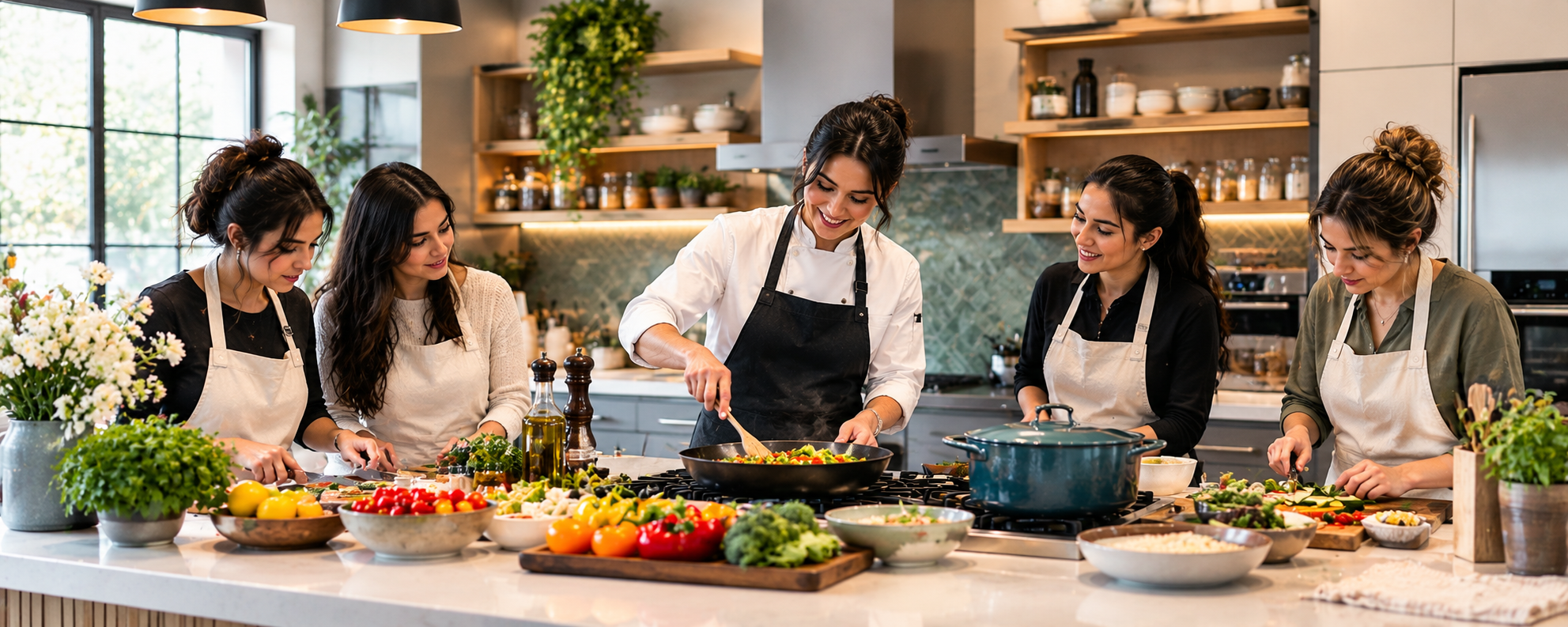
Kitchen confidence does not usually appear after reading a dozen recipes. It grows when people understand what to do when something unexpected happens. A sauce becomes too thick, vegetables cook unevenly, the pan gets too hot, or seasoning feels flat. Knowing how to respond is what separates memorizing recipes from actually learning to cook.
That is why technique focused instruction can make such a difference. When learners work through real cooking tasks, they begin to recognize patterns. They learn what properly softened vegetables look like, how quickly a pan heats, and when food needs more time rather than more seasoning.
Start With the Fundamentals That Affect Everything
Everyday cooking becomes easier when a few basic principles are understood. Knife skills, heat control, ingredient preparation, seasoning, and timing appear in almost every type of cuisine.
A beginner does not need to master everything immediately. It is more effective to develop a small group of dependable skills and then build from there.
One useful approach is to focus on:
- Cutting ingredients to reasonably consistent sizes
- Preparing ingredients before the pan becomes hot
- Learning the difference between low, medium, and high heat
- Tasting food throughout the cooking process
- Keeping the workspace organized
These habits may look simple, but they reduce mistakes and make cooking feel less rushed.
Learning to Read Food Instead of Watching the Clock
Recipes often provide cooking times, but those times are only guides. Different pans, stoves, ingredient sizes, and quantities can change the actual result.
Experienced cooks learn to recognize signs instead. Onions become softer and sweeter. Proteins change color and firmness. Sauces become thicker as liquid evaporates. Vegetables lose their raw edge while retaining structure.
Visual Clues
Visual observation is one of the most important skills a student can develop. The color of a browned ingredient can indicate the depth of flavor being developed, while the appearance of a sauce can reveal whether reduction is progressing correctly.
When learners are shown these changes in real time, cooking becomes less mysterious. They can connect what they see to a specific action.
Texture and Aroma
Texture is another useful guide. A vegetable that should remain firm needs a different cooking approach from one intended for a soft stew. Aroma also gives clues about what is happening in the pan. Strong culinary instruction helps students notice these signals instead of relying entirely on timers.
Why Local Instruction Can Strengthen Learning
Learning in a food-focused environment creates opportunities to connect practical technique with regional cooking traditions. The setting can encourage learners to ask why particular ingredients are common and how local dishes were developed.
For those researching Cooking classes in New Orleans, the experience can be especially useful when the class goes beyond recipe instructions and explains the thinking behind the food.
A well-structured lesson should make the learner feel involved. Watching a demonstration is useful, but actually preparing ingredients, stirring a sauce, adjusting heat, and tasting the result creates a much stronger learning experience.
How to Become More Comfortable With Mistakes
Many people avoid cooking because they worry about getting things wrong. Yet mistakes are part of learning. The important point is learning how to recognize and correct them.
If a dish is too salty, the solution depends on what was made and at what stage. If a sauce is thin, additional cooking may help. If meat is browning too quickly, reducing heat may protect the outside while allowing the center to cook properly.
Fixing Problems Calmly
The ability to troubleshoot removes a great deal of kitchen anxiety. Rather than thinking, “I ruined it,” learners can start asking, “What changed, and what can I do next?”
This is one reason live instruction has practical value. An experienced teacher can demonstrate correction techniques while the problem is still manageable.
Creating Repeatable Habits
Confidence also comes from routines. Mise en place, clean cutting boards, organized ingredients, and a clear cooking order make the kitchen easier to control.
The more often these habits are practiced, the less mental energy is spent on basic organization.
Turning One Class Into Ongoing Progress
A single lesson can become the starting point for long-term improvement when students continue practicing afterward. The key is not to attempt ten difficult recipes immediately.
Choose one or two skills from the class and repeat them during ordinary meals. Practice knife work while preparing vegetables. Use a simple pan sauce to improve understanding of reduction. Taste a soup several times during cooking to learn how seasoning evolves.
Keeping notes can also help. Record what worked, what needed adjustment, and what you would change next time.
Choosing Learning Experiences That Match Your Goals
Not every cooking class is designed for the same learner. Some focus on social experiences, while others emphasize skill building or regional cuisine.
Before booking, think about what outcome would make the class worthwhile. A beginner may need confidence and fundamentals, while a more experienced home cook may want deeper technique.
Questions worth considering include:
- Is the class interactive?
- How much preparation will participants actually do?
- Are techniques explained clearly?
- Can learners ask questions during cooking?
- Does the subject match your interests?
Choosing based on learning goals makes the experience more useful.
Why Confidence Improves the Way You Cook
Once people become more comfortable in the kitchen, they often become more flexible. They are willing to substitute ingredients, change portion sizes, and adjust seasoning.
That flexibility matters because real home cooking rarely follows a perfect recipe. The refrigerator may be missing one ingredient, guests may arrive unexpectedly, or dinner may need to be ready sooner than expected.
Technique gives you options. A recipe tells you what one dish can be. A strong foundation teaches you how to build many dishes.
Conclusion
Kitchen confidence comes from understanding, not perfection. When people practice practical techniques, observe how food behaves, and learn how to correct small problems, cooking becomes far less intimidating.
A local cooking experience can combine technical instruction with the character of its food culture, giving learners both skills and context. The most useful result is not simply one successful meal. It is the growing ability to make decisions in the kitchen with less hesitation and more control.

 English
 Arabic
 French
 Spanish
 Portuguese
 Deutsch
 Turkish
 Italiano
 Russian
 Romaian
 Portuguese (Brazil)
 Greek
Greek