

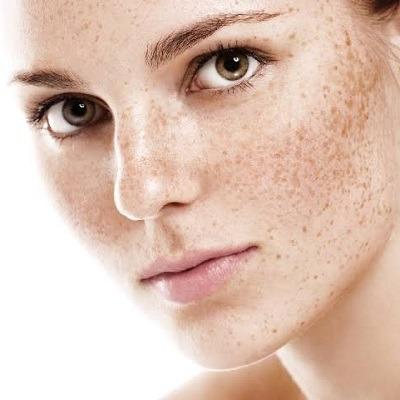
Pigmentation in Dubai: How Can Hormonal Changes Trigger Facial Pigmentation?

Facial pigmentation is a common skin concern that can affect people at different stages of life. Dark patches, uneven skin tone, and persistent discolouration may develop gradually, making the complexion appear dull or uneven. While sun exposure, ageing, and skin inflammation are widely recognised causes, hormonal fluctuations can also play an important role in the development of pigmentation. Changes in hormone levels may influence melanin production, encouraging certain areas of the face to develop darker patches.
Hormonal pigmentation is particularly noticeable during pregnancy, menopause, and periods of hormonal imbalance. Conditions such as melasma can become more visible when hormonal changes interact with ultraviolet exposure and other environmental factors. In a sunny environment such as Dubai, understanding these triggers becomes especially important for maintaining an even complexion.
People considering Pigmentation in Dubai often want to understand why facial discolouration develops and whether hormonal changes could be responsible. Identifying the underlying cause is an important first step towards selecting an appropriate skincare approach. Dr. Camellia Kamyab focuses on understanding individual skin concerns and developing personalised treatment plans that support healthier-looking skin.
Understanding the Connection Between Hormones and Facial Pigmentation
Hormones are chemical messengers that regulate several functions throughout the body, including skin activity. Certain hormones can influence melanocytes, which are specialised cells responsible for producing melanin. Melanin gives the skin its natural colour and helps protect it against ultraviolet radiation.
When hormonal levels fluctuate, melanocyte activity may change, sometimes resulting in increased melanin production. This can lead to darker areas appearing on the forehead, cheeks, upper lip, chin, and other parts of the face.
Oestrogen and progesterone are particularly associated with hormonal pigmentation. Changes in these hormones may stimulate pigment-producing cells, especially in individuals who are already predisposed to developing melasma.
However, hormonal changes do not always cause pigmentation independently. Sun exposure, genetics, inflammation, and individual skin characteristics can contribute to the process. Understanding how these factors interact helps explain why some people experience more noticeable discolouration than others.
What Is Melasma and Why Is It Associated with Hormonal Changes?
Melasma is a form of acquired pigmentation characterised by brown, grey-brown, or darker patches that usually appear symmetrically across the face. It commonly affects the cheeks, forehead, nose, and upper lip.
The condition is frequently associated with hormonal fluctuations, particularly during pregnancy or when using hormonal contraceptives. These changes can influence melanocyte activity and make the skin more susceptible to developing excess pigmentation.
Melasma is sometimes called the mask of pregnancy because it frequently appears during pregnancy. However, it can also develop in people who are not pregnant and may continue for extended periods.
Unlike temporary discolouration caused by minor irritation, melasma can be persistent. Its appearance may become more noticeable during summer or after prolonged exposure to sunlight.
Recognising melasma is important because it may require a different treatment approach from pigmentation caused by acne marks, sun damage, or other skin conditions.
How Pregnancy Can Trigger Facial Pigmentation
Pregnancy brings significant hormonal changes that can influence several aspects of skin health. Increased levels of oestrogen and progesterone may stimulate melanin production, contributing to the development of darker facial patches.
Some women notice pigmentation during the first or second trimester, although its timing and severity can vary. Commonly affected areas include:
- Cheeks: Brown patches may develop on both sides of the face.
- Forehead: Pigmentation may appear across the central forehead.
- Upper lip: A darker area may develop above the mouth.
- Nose: Some individuals notice increased pigmentation around the nose.
Pregnancy-related pigmentation may gradually become lighter after childbirth as hormone levels return towards their usual range. However, this does not happen in every case, and some pigmentation may remain.
Sun protection is particularly important during pregnancy because ultraviolet exposure can make existing pigmentation more noticeable. Any skincare products or professional treatments used during pregnancy should be discussed with an appropriate healthcare professional.
The Role of Menopause in Skin Discolouration
Menopause is another stage when hormonal changes can influence skin appearance. During this period, oestrogen levels decline, affecting collagen production, skin hydration, elasticity, and other skin functions.
Although menopause is not a direct cause of every pigmentation concern, hormonal changes may contribute to alterations in skin behaviour. Some individuals also notice that existing pigmentation becomes more visible with age.
Years of accumulated ultraviolet exposure can contribute to uneven skin tone, age spots, and other forms of discolouration. These concerns may become more noticeable during menopause because the skin is also experiencing changes in its structure and natural protective functions.
A professional skin assessment can help distinguish hormonal pigmentation from sun-induced spots and other forms of discolouration. This distinction matters because different pigmentation patterns may respond to different skincare and treatment approaches.
Can Hormonal Contraceptives Influence Pigmentation?
Hormonal contraceptives can affect skin pigmentation in some individuals. Certain contraceptive pills contain synthetic versions of oestrogen and progesterone, which may influence melanocyte activity.
For people who are already susceptible to melasma, these hormonal changes may contribute to the development or worsening of facial pigmentation.
However, not everyone using hormonal contraception develops pigmentation. Individual sensitivity, genetics, sun exposure, and existing skin conditions can influence whether discolouration occurs.
If pigmentation appears after starting hormonal contraception, discussing the changes with a healthcare professional may help determine whether the medication could be contributing. Contraceptive medication should never be stopped or changed without appropriate medical guidance.
Why Dubai's Climate Can Make Hormonal Pigmentation More Noticeable
Hormonal fluctuations may create conditions that encourage pigmentation, but environmental factors can determine how noticeable it becomes. Dubai's sunny climate makes ultraviolet exposure an important consideration for anyone experiencing melasma or uneven skin tone.
UVA and UVB radiation can stimulate melanin production, potentially darkening existing pigmented areas. Visible light may also contribute to melasma, particularly in individuals with darker skin tones.
Spending time outdoors, driving during daylight hours, or sitting near windows can contribute to cumulative light exposure. Even when hormonal pigmentation initially appears mild, repeated exposure may make the patches darker or more persistent.
A consistent sun-protection routine is therefore essential. Useful habits include:
- Applying broad-spectrum SPF 30 or higher every morning.
- Choosing a tinted sunscreen containing iron oxides to help protect against visible light.
- Reapplying sunscreen approximately every two hours when outdoors.
- Wearing sunglasses and wide-brimmed hats for additional protection.
- Seeking shade during periods of intense sunlight.
These measures can help reduce the likelihood of pigmentation becoming more pronounced and support the results of a suitable skincare routine.
How to Identify Hormonal Pigmentation
Identifying the type of pigmentation is an important part of choosing an appropriate treatment. Hormonal pigmentation often presents as symmetrical patches across different areas of the face rather than isolated dark spots.
Some common characteristics include:
Symmetrical discolouration: Dark patches may appear on both cheeks or across corresponding areas of the forehead.
Gradual development: Pigmentation often develops slowly and may become more noticeable during hormonal changes.
Brown or grey-brown patches: The colour can vary depending on the depth and distribution of pigment within the skin.
Changes with sunlight: Patches may become darker after periods of increased sun exposure.
Nevertheless, these characteristics are not enough to confirm melasma. Post-inflammatory hyperpigmentation, sunspots, and other skin conditions can sometimes look similar. A professional assessment helps determine the likely cause and whether further evaluation is needed.
What Treatment Options Can Help Manage Hormonal Pigmentation?
Managing hormonal pigmentation requires an approach that considers the type of pigmentation, skin sensitivity, underlying triggers, and individual treatment goals. There is no single solution suitable for everyone, particularly because melasma can be a persistent condition.
People exploring Pigmentation Treatment in Dubai may benefit from a personalised assessment to understand the most appropriate options for their skin.
Topical Skincare Treatments
Topical products are commonly used as part of pigmentation management. Depending on individual skin needs, a professional may recommend ingredients such as:
- Vitamin C: An antioxidant that helps protect against oxidative stress and supports a brighter-looking complexion.
- Azelaic acid: May help improve uneven pigmentation and is often considered for individuals with acne-related discolouration.
- Niacinamide: Supports the skin barrier and may help reduce the appearance of uneven skin tone.
- Retinoids: Encourage skin cell turnover and may help improve certain pigmentation concerns.
- Hydroquinone: A prescription or professionally supervised depigmenting ingredient used in selected cases.
The choice of ingredient depends on the skin condition, medical history, and sensitivity. Introducing multiple active ingredients simultaneously may irritate the skin and potentially worsen post-inflammatory pigmentation.
Chemical Peels
Chemical peels use carefully selected exfoliating ingredients to improve the appearance and texture of the skin. Depending on their formulation and strength, they can help address superficial discolouration and uneven skin tone.
However, melasma requires particular care because excessive irritation can make pigmentation more noticeable. A suitable peel should be selected according to skin type, pigment depth, and individual tolerance.
Professional assessment is important before beginning any peeling treatment.
Laser and Light-Based Treatments
Certain laser and light-based procedures may be considered for selected pigmentation concerns. These technologies target pigment within the skin using controlled energy.
However, laser treatment is not automatically appropriate for melasma. In some individuals, it can trigger inflammation, recurrence, or worsening pigmentation, particularly when the settings and treatment approach are not carefully selected.
A detailed assessment is necessary to determine whether a laser-based procedure is appropriate or whether a more conservative approach would be preferable.
Personalised Skincare and Maintenance
Long-term pigmentation management involves more than professional procedures. A consistent skincare routine can help maintain improvements and reduce the likelihood of new discolouration developing.
This may include gentle cleansing, moisturising, appropriate active ingredients, and daily sun protection. Maintaining the skin barrier is particularly important for individuals who experience sensitivity or irritation.
Regular follow-up appointments can also help assess progress and adjust the skincare plan when necessary.
How Can You Prevent Hormonal Pigmentation from Becoming Worse?
Hormonal fluctuations are not always preventable, but certain habits can help minimise their influence on skin appearance.
Daily sun protection is one of the most important preventive measures. Applying sunscreen consistently, wearing protective clothing, and limiting unnecessary exposure to intense sunlight can reduce additional stimulation of pigment-producing cells.
It is also helpful to avoid aggressive exfoliation and skincare products that cause persistent irritation. Inflammation can contribute to post-inflammatory hyperpigmentation, making existing skin concerns more complicated.
People experiencing hormonal changes should also pay attention to new or worsening skin concerns. Consulting a qualified professional can help identify possible triggers and establish a suitable skincare routine.
Consistency is particularly important because pigmentation often improves gradually rather than immediately.
Why Choose a Personalised Pigmentation Approach with Dr. Camellia Kamyab?
Every individual's skin responds differently to hormonal fluctuations, environmental exposure, and skincare products. For this reason, pigmentation management should begin with an understanding of the underlying concern rather than relying on a standard treatment plan.
Dr. Camellia Kamyab emphasises an individualised approach that considers skin type, pigmentation patterns, sensitivity, and personal aesthetic goals.
An assessment can help determine whether the discolouration is associated with melasma, sun exposure, acne marks, or another skin condition. Based on these findings, an appropriate combination of professional treatments and home skincare may be recommended.
The aim is to support a more even-looking complexion while maintaining skin health and taking steps to minimise future pigmentation.
Conclusion
Hormonal changes can play an important role in the development of facial pigmentation, particularly when they influence melanin production and melanocyte activity. Pregnancy, menopause, and hormonal contraceptives are among the factors that may contribute to melasma and other forms of uneven skin tone.
In Dubai, regular exposure to sunlight and visible light can make hormonal pigmentation more noticeable, highlighting the importance of daily sun protection and consistent skincare. Understanding the cause of discolouration is essential because melasma, sunspots, and post-inflammatory pigmentation may require different management strategies.
For individuals considering Pigmentation in Dubai, a personalised skin assessment with Dr. Camellia Kamyab can help identify contributing factors and establish an appropriate treatment plan. With professional guidance, suitable skincare, and ongoing maintenance, it is possible to work towards a healthier and more balanced-looking complexion.
Frequently Asked Questions
1. Can hormonal changes cause facial pigmentation?
Yes. Hormonal fluctuations involving oestrogen and progesterone can influence melanocyte activity and increase melanin production. This may contribute to facial pigmentation, particularly melasma.
2. Why does pigmentation develop during pregnancy?
During pregnancy, changes in oestrogen and progesterone levels can stimulate pigment-producing cells. This may result in darker patches on the cheeks, forehead, nose, and upper lip.
3. Can menopause make facial pigmentation worse?
Menopause can influence skin appearance through declining oestrogen levels and age-related skin changes. Existing pigmentation may become more noticeable, particularly when combined with years of sun exposure.
4. Is hormonal pigmentation the same as melasma?
Not exactly. Melasma is a specific pigmentation condition that is frequently associated with hormonal changes and sun exposure. Hormonal fluctuations can contribute to melasma, but not every form of hormonal pigmentation is necessarily melasma.
5. Can hormonal pigmentation disappear naturally?
Some hormonal pigmentation, particularly pregnancy-related melasma, may gradually fade when hormone levels stabilise. However, pigmentation can persist and may require professional management and consistent sun protection.
6. Does sunlight make hormonal pigmentation worse?
Yes. Ultraviolet radiation can stimulate melanin production and darken existing pigmented patches. Visible light may also contribute to melasma, making daily sun protection especially important.
7. Which skincare ingredients help with hormonal pigmentation?
Ingredients such as vitamin C, azelaic acid, niacinamide, and selected retinoids may help improve uneven skin tone. Hydroquinone may also be recommended in certain cases under professional supervision.
8. Can chemical peels treat hormonal pigmentation?
Selected chemical peels may help improve superficial pigmentation and uneven skin tone. However, melasma requires careful treatment selection because excessive irritation can worsen discolouration.
9. How long does pigmentation treatment take to show results?
The timeline depends on the type, depth, and severity of pigmentation, as well as the treatment approach. Some individuals notice gradual improvement over several weeks, while persistent melasma may require several months of consistent management.
10. When should I consult a pigmentation specialist in Dubai?
You should consider a professional assessment if facial pigmentation is persistent, spreading, becoming darker, or not responding to your existing skincare routine. A specialist can help identify its possible cause and recommend an appropriate management plan.


