

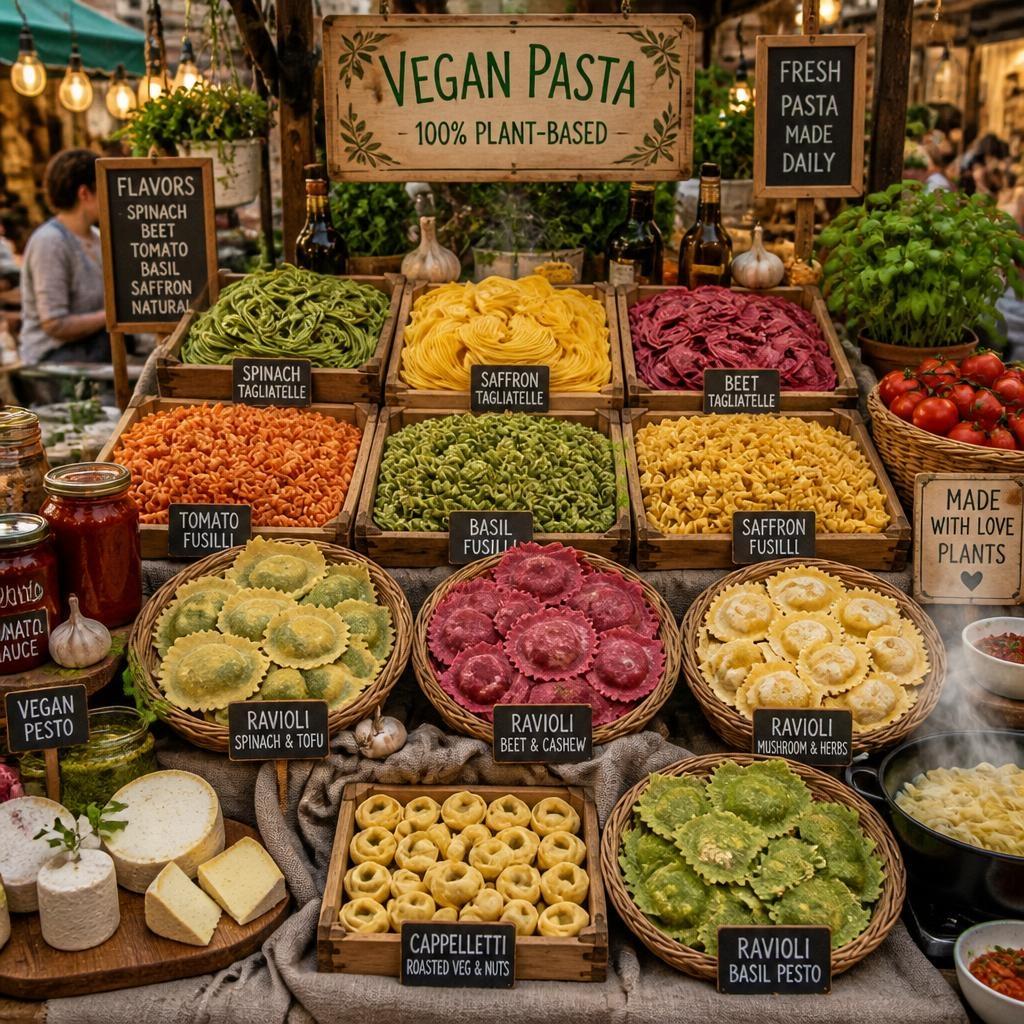

The vegan pasta market is developing as food manufacturers respond to growing interest in plant-based products and alternative ingredients. Pasta is a widely recognized food that can be prepared in many ways, making it suitable for experimentation with different plant-based formulations. Consumers are increasingly interested in products that accommodate their dietary preferences while maintaining the familiar convenience of traditional meals. This interest is encouraging manufacturers to explore new ingredients and improve the quality of vegan pasta products.
The popularity of legume-based pasta products highlights how alternative ingredients are influencing product development. Lentils, chickpeas, peas, and other plant-based ingredients can be used to create pasta with different textures, colors, and flavors. These products offer consumers an opportunity to explore alternatives to conventional wheat pasta. They also allow manufacturers to introduce distinctive product ranges that appeal to shoppers looking for variety in their everyday meals.
Alternative Ingredients in Pasta Production
Ingredient selection is an important part of vegan pasta manufacturing. Traditional pasta is commonly associated with wheat, but plant-based formulations can incorporate a wider range of raw materials. Legumes, vegetables, rice, and other grains provide manufacturers with different options for developing products.
Each ingredient brings its own characteristics to the final product. Some alternatives create a distinctive flavor, while others influence texture, appearance, and cooking behavior. Manufacturers need to balance these characteristics to ensure that the finished pasta performs well in different recipes.
The use of alternative ingredients can also help brands create a recognizable identity. Products made with chickpeas or lentils may appeal to shoppers who want to experiment with different food choices. Vegetable-based pasta can attract consumers interested in colorful meals and creative cooking.
Improving Taste and Texture
Taste and texture remain essential factors in consumer acceptance. Even when shoppers are interested in plant-based products, they expect pasta to deliver an enjoyable eating experience. Products that become too soft during cooking or have an unfamiliar flavor may struggle to encourage repeat purchases.
Manufacturers are therefore focusing on formulation and production techniques that improve consistency. Ingredient combinations can be adjusted to create a balanced texture and flavor. Product testing also helps manufacturers understand how pasta behaves when boiled, baked, or combined with sauces.
Texture is particularly important because pasta is commonly paired with different ingredients. A suitable product should work with tomato sauces, vegetable toppings, herbs, and plant-based cream sauces. Maintaining a familiar cooking experience can make vegan pasta more appealing to consumers who are transitioning toward plant-based meals.
Product Development and Brand Differentiation
Innovation gives food brands opportunities to distinguish their vegan pasta offerings. Manufacturers can experiment with different shapes, colors, ingredient blends, and packaging designs. These product choices can help brands reach consumers with varied preferences.
Some companies may focus on simple everyday pasta, while others may position their products as specialty or premium alternatives. There is also room for products designed for particular cooking occasions, including quick lunches, family dinners, and restaurant-style meals prepared at home.
Clear product communication can strengthen brand recognition. Consumers often want to know which ingredients are included and whether a product meets their dietary requirements. Packaging that presents this information clearly can make the shopping experience easier.
Influence of Health-Conscious Food Choices
Interest in ingredient awareness is another factor shaping the category. Many consumers are paying closer attention to the composition of packaged foods. They may compare ingredients, explore alternative flours, and seek products that match their preferred eating patterns.
Vegan pasta provides a flexible base for meals containing vegetables, herbs, legumes, and plant-based sauces. However, the nutritional characteristics of vegan pasta vary according to its ingredients and formulation. Consumers should review individual product labels rather than assume that every plant-based pasta has the same nutritional profile.
Manufacturers can respond by providing transparent ingredient information and clear preparation guidance. This can help shoppers make informed choices and understand the differences between product varieties.
Distribution and Market Accessibility
The availability of vegan pasta through supermarkets and online retailers is important for category development. Mainstream grocery stores can introduce plant-based pasta to customers who may not regularly visit specialty food shops. Online platforms can provide access to a wider selection of ingredients and brands.
Retailers can support product discovery through organized plant-based food sections and informative product descriptions. Recipes and serving suggestions can also help shoppers understand how to use unfamiliar pasta varieties.
Opportunities for Future Innovation
The vegan pasta market has opportunities to expand through ingredient research, improved production methods, and stronger consumer engagement. Manufacturers that successfully balance taste, texture, convenience, and ingredient transparency can create products that appeal to a wider audience.
Future product development may include more combinations of legumes, grains, and vegetables. Brands may also explore new formats that make vegan pasta easier to prepare and suitable for different cooking occasions.
As consumer interest in alternative food products continues to develop, innovation will remain important. Vegan pasta can benefit from its familiar format while offering manufacturers a flexible platform for introducing new ingredients and culinary experiences.
FAQs
Q1. Which ingredients are commonly used in vegan pasta?
Vegan pasta may contain wheat, chickpeas, lentils, peas, rice, vegetables, and other plant-based ingredients.
Q2. What makes vegan pasta products different from traditional pasta?
Vegan pasta is produced without animal-derived ingredients and may use alternative plant-based flours or ingredient combinations.


