
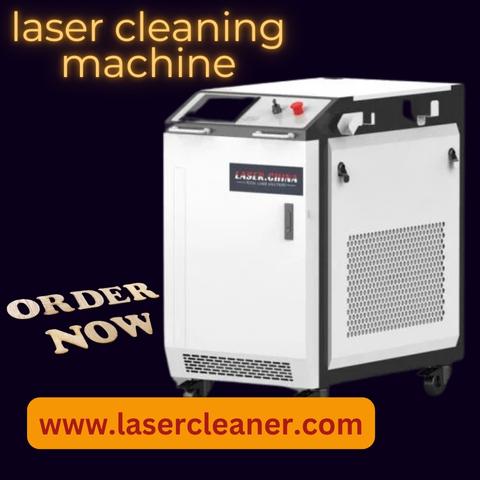
Industrial cleaning plays an important role in maintaining product quality, improving production efficiency, and preparing surfaces for further processing. Traditional cleaning methods often involve chemicals, abrasive materials, or manual labor. However, modern laser technology offers a more advanced approach to removing rust, paint, oil, and other unwanted contaminants. A laser cleaning machine uses focused laser energy to clean different surfaces with accuracy and controlled operation.
How Does Laser Cleaning Technology Work?
Laser cleaning technology works by directing concentrated laser pulses onto a contaminated surface. The laser energy interacts with unwanted materials, causing them to separate from the base material through processes such as vaporization, thermal expansion, or ablation.
The cleaning process can be adjusted according to the type of material, contamination level, laser power, and required surface finish. Operators can select suitable settings to remove unwanted layers while minimizing the impact on the underlying material.
This technology is commonly used on metals such as steel, aluminum, copper, and iron. It can also be applied to selected industrial materials when the correct laser configuration and safety procedures are followed.
Common Industrial Applications
Laser cleaning technology is suitable for a wide range of manufacturing and maintenance operations. Its applications depend on the machine's power, configuration, and cleaning requirements.
Rust Removal: Metal components exposed to moisture and environmental conditions can develop rust over time. Laser cleaning helps remove corrosion from metal surfaces, making them suitable for inspection, restoration, or additional processing.
Paint and Coating Removal: Manufacturing facilities often need to remove old paint, protective coatings, or surface treatments before repainting or welding. Laser technology provides controlled removal for these applications.
Oil and Grease Cleaning: Industrial components frequently collect oil, grease, and production residues. Laser cleaning can help prepare these surfaces for assembly, maintenance, or further manufacturing operations.
Mold and Tool Cleaning: Molds and industrial tools require regular maintenance to maintain production quality. Laser technology can remove accumulated residues from selected mold surfaces without relying on conventional abrasive cleaning.
Welding Preparation: Clean metal surfaces are important for achieving consistent welding results. Laser cleaning can remove oxidation, paint, and surface contaminants before welding operations.
Types of Laser Cleaning Machines
Different industrial applications require different machine configurations. Choosing the right equipment depends on the cleaning area, material type, contamination thickness, and production environment.
Handheld laser cleaning machines are suitable for workshops, maintenance operations, and applications involving different component shapes. Their portable design allows operators to access selected areas more easily.
Continuous-wave laser cleaning systems are commonly considered for applications requiring consistent energy delivery and higher cleaning productivity. Pulsed laser cleaning machines deliver energy in short bursts and are often selected for applications requiring greater control over heat input.
Both configurations require suitable operating parameters to achieve the desired cleaning results.
How to Choose the Right Equipment
Before purchasing industrial cleaning equipment, businesses should evaluate their actual production requirements. Laser power is an important consideration because different contamination levels and materials require different energy settings.
Working area, scanning speed, cooling arrangements, laser source quality, and control system functionality should also be reviewed. Companies should consider the availability of technical support, replacement components, operator training, and warranty coverage.
A proper demonstration using the actual workpiece can help buyers evaluate cleaning performance before making a purchasing decision.
Laser Cleaning in Modern Manufacturing
As manufacturing industries continue to improve their production processes, laser-based surface preparation is becoming an important option for specialized cleaning applications. A laser cleaning machine can support automotive manufacturing, metal fabrication, shipbuilding, aerospace maintenance, and industrial equipment restoration.
Its suitability depends on the specific application, material properties, and operating conditions. Businesses should also establish appropriate laser safety procedures, including protective enclosures where required, suitable eyewear, ventilation, and trained operators.
Final Thoughts
Modern surface preparation requires equipment that can deliver consistent results while meeting industrial production requirements. Laser technology provides a controlled approach to removing rust, paint, oxidation, and other contaminants from suitable surfaces.
Investing in the right laser cleaning machine starts with understanding your materials, cleaning objectives, and production environment. By selecting an appropriate system and working with an experienced equipment supplier, manufacturers can develop an effective cleaning process that supports long-term operational requirements.


