


Walk In Cooler Panels: Building an Efficient Cold Storage Space for Commercial Use
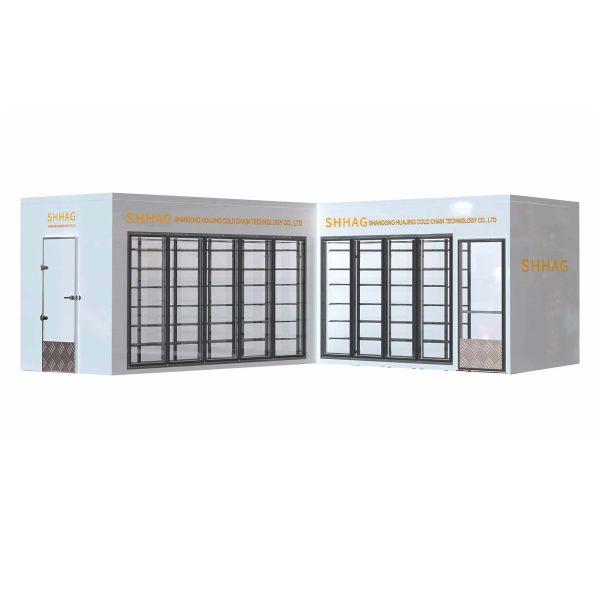
Reliable cold storage is essential for businesses that handle perishable products every day. Restaurants, supermarkets, food distributors, hotels, and catering companies all need suitable environments to store ingredients and maintain organised inventory. Selecting the right walk in cooler panels is an important step when planning a cold room that fits a business's storage requirements, available space, and daily operating routine.
Unlike ordinary refrigerators, walk-in coolers provide room for larger quantities of products and allow staff to enter the storage area to retrieve, arrange, and inspect inventory. Their performance depends on several interconnected elements, including insulation, refrigeration equipment, door design, installation quality, and maintenance. Panels are a central part of this system because they form the walls and ceiling of the enclosure and help separate the controlled interior environment from surrounding conditions.
Why Panel Selection Matters in Commercial Refrigeration
A cold room must maintain suitable storage conditions while facing frequent door openings, changes in inventory, and variations in the surrounding temperature. Properly selected and installed insulated panels help limit unwanted heat transfer, supporting the refrigeration system as it works to maintain the required temperature.
Panel construction and insulation properties should be considered alongside the intended application. A cooler used to store fresh produce may have different operational requirements from a facility handling dairy products, prepared foods, or packaged beverages. Businesses should identify the types of products they plan to store and establish the appropriate temperature range before selecting a cold storage configuration.
Panel dimensions and joining methods are also important. Properly fitted sections help create a more consistent enclosure, while poorly planned joints or installation gaps can undermine overall performance. Buyers should therefore evaluate not only the panels themselves but also their compatibility with the proposed room layout and installation requirements.
Planning the Right Walk-In Cooler Layout
An effective cold room begins with a realistic assessment of storage needs. Businesses should estimate inventory volume, expected deliveries, product turnover, and the space required for staff to move safely. A room that is too small can create congestion, while an unnecessarily large enclosure may increase construction and operating costs.
The internal layout should make everyday tasks straightforward. Shelving, racks, and designated storage zones can help staff separate product categories and rotate stock according to established inventory procedures. Clear access routes are especially useful when workers need to move cartons, trays, or wheeled containers in and out of the cooler.
Door placement also deserves careful attention. Positioning the entrance in a convenient location can simplify loading and unloading while supporting an efficient workflow. Businesses should consider the movement of goods between receiving areas, preparation spaces, and refrigerated storage before finalising the design.
Installation and Temperature Management
Even suitable panels need correct installation to deliver their intended function. The floor, walls, ceiling, door assembly, and panel connections should be considered as parts of one complete enclosure. Installation teams must follow the product manufacturer's requirements and ensure that joints, penetrations, and transitions are handled appropriately.
Temperature management also depends on selecting refrigeration equipment that matches the room's dimensions, insulation characteristics, product load, and expected usage. Frequent door openings and the introduction of warm products can increase cooling demand. A properly planned system takes these operating conditions into account rather than relying on room size alone.
Routine inspections help identify potential problems before they disrupt operations. Staff should monitor temperatures, inspect door seals, keep the interior clean, and report signs of damage or moisture. Refrigeration equipment should receive maintenance according to the manufacturer's recommendations, while any repairs involving electrical or refrigeration components should be handled by qualified professionals.
Supporting Hygiene and Everyday Operations
Commercial cold storage must be practical to clean and manage. Surfaces, corners, and storage arrangements should allow staff to follow the business's food safety and sanitation procedures. Products should be stored appropriately, kept off unsuitable surfaces, and organised to support stock rotation and prevent cross-contamination.
Staff training is equally important. Employees should understand temperature monitoring procedures, door-closing practices, cleaning schedules, and the correct method for reporting equipment problems. These routines help businesses maintain consistent operating standards and protect the quality of stored inventory.
Finding Suitable Cold Storage Solutions
Businesses comparing cold room options should review panel specifications, insulation performance, dimensions, installation requirements, and compatibility with the planned refrigeration system. It is also sensible to consider the supplier's product information and ask questions about the intended application before making a purchase.
SHHAG offers information about cold storage products and related solutions for commercial refrigeration needs. Reviewing its available walk in cooler panels can help buyers explore options while planning a suitable storage enclosure. Before proceeding, confirm the technical specifications and installation requirements for the particular project.
With thoughtful planning, appropriate panels, professional installation, and consistent maintenance, businesses can create a cold storage space that supports organised inventory management and dependable daily operations. The best solution is one designed around the products being stored, the available space, and the real demands of the business.

 English
 Arabic
 French
 Spanish
 Portuguese
 Deutsch
 Turkish
 Dutch
Dutch
 Italiano
 Russian
 Romaian
 Portuguese (Brazil)