

What Happens During a Fat Melting Injection Consultation at Tajmeels Clinic?
Fat melting injection in Dubai are an option for individuals who want to address specific areas of stubborn, localised fat that may not respond easily to diet and exercise. However, choosing an appropriate treatment involves more than simply identifying an area where fat is present. A professional consultation is an important first step in understanding treatment suitability, expected outcomes, possible limitations, and individual needs.
At Tajmeels Clinic, the consultation process focuses on evaluating the patient's concerns, reviewing relevant health information, and determining whether fat dissolving injections are an appropriate option. Understanding what happens during this appointment can help patients feel more prepared and make informed decisions.
Understanding Your Fat Reduction Goals
The consultation usually begins with a discussion about the areas that concern the patient. Some individuals may be interested in reducing fullness beneath the chin, while others may have concerns about small, localised fat deposits in specific body areas.
The practitioner discusses the patient's expectations and what they hope to achieve. This conversation helps establish whether the desired outcome is realistic for the treatment being considered.
It is also important to understand that fat melting injections are not designed as a general weight-loss solution. They are intended for selected areas of localised fat, depending on the formulation and approved treatment indication. Patients seeking significant weight reduction may need a different approach.
Reviewing Medical History and Health Conditions
A detailed medical history is an essential part of a responsible consultation. Before recommending any injectable treatment, the practitioner needs to understand the patient's general health and any factors that could influence safety.
The discussion may cover:
-
Existing medical conditions and previous surgeries.
-
Current medications and supplements.
-
Allergies or previous reactions to injectable products.
-
Pregnancy or breastfeeding status.
-
Previous cosmetic and fat reduction treatments.
-
Any history of inflammation or skin problems in the intended treatment area.
This information helps identify possible contraindications and situations that require additional medical assessment. Patients should provide accurate information rather than withholding details they consider unrelated to cosmetic treatment.
Examining the Target Treatment Area
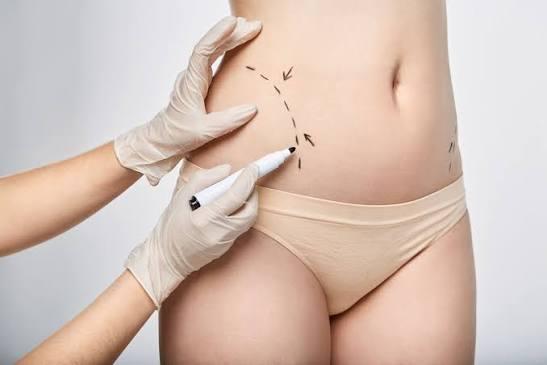
After discussing the patient's goals and health background, the practitioner may examine the area being considered for treatment.
The assessment helps determine whether the visible fullness is caused by localised fat or another factor. For example, fullness beneath the chin may sometimes be associated with skin laxity, anatomy, or other underlying structures rather than fat alone.
The practitioner may evaluate:
-
The amount and distribution of localised fat.
-
Skin elasticity and firmness.
-
The overall shape of the treatment area.
-
Skin condition and any existing irregularities.
-
Whether the area is appropriate for the proposed injectable product.
This examination is important because treating the wrong underlying concern may not produce the improvement a patient expects.
Discussing Treatment Options and Suitability
Not every individual is automatically suitable for fat melting injections. Following the assessment, the practitioner discusses whether the treatment is appropriate or whether another approach may better address the patient's concerns.
The suitability decision depends on several factors, including the treatment area, amount of localised fat, skin condition, medical history, and the specific injectable formulation being considered.
Certain fat-dissolving products have specific approved indications. For example, deoxycholic acid injections have an established indication for submental fat in some markets. Other formulations may have different regulatory statuses and evidence. Patients should ask which product is being proposed and whether it is authorised for the intended use in Dubai.
If the treatment is unsuitable, alternative options can be discussed rather than proceeding with an inappropriate procedure.
Understanding the Procedure and Possible Side Effects
An important part of the consultation is explaining how the proposed treatment works. Patients should understand the injection process, the expected treatment area, and the number of sessions that may be considered.
The practitioner should also discuss possible side effects and complications. Depending on the product and treatment area, these may include:
-
Swelling and tenderness.
-
Bruising around injection points.
-
Redness and temporary discomfort.
-
Numbness or changes in skin sensation.
-
Firmness or temporary lumps.
-
Infection or tissue injury.
-
Nerve injury in certain anatomical areas.
Patients should also understand that results are not immediate. The body's response takes time, and the degree of visible change can vary between individuals.
Clear information about risks and realistic outcomes allows patients to make decisions without unrealistic expectations.
Reviewing Preparation and Aftercare Instructions
If the practitioner determines that the patient may be suitable, preparation and aftercare requirements can be explained before scheduling treatment.
Preparation instructions may include reviewing medications that increase bruising risk, discussing existing skin concerns, and following any product-specific medical guidance. Patients should never stop prescribed medication without consulting the prescribing healthcare professional.
Aftercare instructions depend on the injectable product and treatment area. Patients may be advised about managing temporary swelling, keeping the area clean, and recognising symptoms that require medical attention.
It is also useful to discuss follow-up appointments so that the practitioner can assess the response and determine whether further treatment is appropriate.
Setting Realistic Expectations
Fat melting injections do not provide the same results for everyone. Factors such as fat distribution, skin elasticity, anatomy, treatment formulation, and individual response can influence the outcome.
Patients should understand that these injections are not a substitute for healthy lifestyle habits, comprehensive weight management, or surgical procedures when substantial fat removal is required.
A responsible consultation includes an honest discussion of what the treatment can and cannot achieve. This helps patients avoid choosing a procedure based only on promotional claims or expectations of dramatic transformation.
Fat Melting Injection Consultation at Tajmeels Clinic
At tajmeels clinic dubai, patients considering Fat Melting Injections in Dubai can discuss their body contouring concerns and receive an individual assessment before proceeding. The consultation focuses on understanding treatment goals, reviewing relevant medical information, evaluating the intended area, and discussing appropriate options.
By considering individual anatomy, skin condition, medical suitability, and realistic expectations, the clinic aims to support informed treatment decisions. Patients can also discuss potential risks, preparation requirements, and follow-up care before deciding whether to proceed.
Conclusion
A fat melting injection consultation is an important step in determining whether injectable fat reduction is appropriate for an individual's concerns. It involves reviewing medical history, examining the target area, discussing treatment options, and understanding possible risks and outcomes.
Choosing a qualified healthcare professional and asking clear questions can help patients make informed decisions about Fat Melting Injections in Dubai. A personalised assessment provides a more responsible starting point than selecting treatment based on general promises or assumptions.
More Information
Tajmeels Clinic Dubai
WhatsApp: +971 56 203 8751
Phone: tel:+971 43739000
Social Media:


