

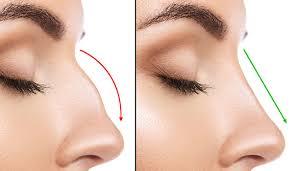
A naturally wide nose is a common facial feature that can influence how the nose looks in relation to the cheeks, eyes, and other facial structures. Some people may feel that their nasal bridge, tip, or nostrils appear broader than they would prefer. Rhinoplasty in Dubai, also known as nose reshaping surgery, can help address these concerns by modifying selected nasal structures while maintaining facial harmony.
However, narrowing a naturally wide nose requires careful evaluation rather than simply reducing its overall size. Every person's nasal anatomy, skin thickness, cartilage, and facial proportions are different. A personalised surgical approach helps establish realistic goals and considers both appearance and nasal function.
Understanding What Makes a Nose Naturally Wide
Nasal width can result from several anatomical characteristics. Some individuals naturally have wider nasal bones, while others have broader cartilage, a rounded nasal tip, or wider nostrils.
The nasal bridge may also appear broad because of the underlying bone structure. In other cases, the lower portion of the nose creates the impression of increased width.
Common characteristics include:
-
A broad nasal bridge.
-
Wide or flared nostrils.
-
A rounded or bulky nasal tip.
-
Wider nasal cartilage.
-
A nose that appears disproportionate to other facial features.
Understanding which structures contribute to nasal width is essential before considering rhinoplasty. A procedure designed for wide nasal bones may not address concerns caused by nostril shape or nasal tip cartilage.
Why Individual Nasal Assessment Matters Before Surgery
Rhinoplasty planning begins with understanding the patient's existing nasal anatomy. Two people may have similarly wide noses but require entirely different surgical approaches.
A detailed assessment considers the nasal bones, cartilage, skin thickness, nostril shape, facial proportions, and breathing function.
Skin thickness is particularly important. Thicker nasal skin may limit how clearly the underlying cartilage definition becomes visible after surgery. Similarly, removing too much cartilage or bone can affect structural support and potentially create functional problems.
A qualified surgeon evaluates these factors before recommending any modifications. The objective is to determine which changes are anatomically appropriate while preserving the nose's natural structure.
How Rhinoplasty Can Address Different Types of Nasal Width
Rhinoplasty techniques depend on the specific anatomical concern rather than following one standard method for every patient.
1. Refining a Broad Nasal Bridge
When the upper portion of the nose appears wide because of the nasal bones, a surgeon may consider controlled bone reshaping. Osteotomy is a technique that involves carefully repositioning nasal bones to create a narrower appearance.
Its suitability depends on the patient's bone structure, existing nasal shape, and overall surgical goals.
2. Improving a Wide Nasal Tip
A broad or rounded nasal tip may be associated with the shape and arrangement of the lower lateral cartilages. Tip refinement techniques can sometimes improve definition by adjusting cartilage positioning or structure.
The aim is to create a balanced appearance without removing excessive tissue or compromising nasal support.
3. Addressing Wide Nostrils
Some individuals have wider nostrils or noticeable nostril flaring. In selected cases, alar base reduction may be considered to reduce the width of the nostril base.
This technique requires careful planning because excessive narrowing can affect natural nostril shape and breathing.
4. Maintaining Overall Facial Proportions
Reducing nasal width should not be considered separately from the rest of the face. The nose contributes to facial balance, and its proportions should complement the forehead, cheeks, lips, and chin.
A suitable rhinoplasty plan focuses on achieving harmony rather than making the nose unnecessarily small.
The Importance of Preserving Nasal Breathing
Rhinoplasty is not only an aesthetic procedure. The nose also plays an essential role in breathing, filtering, and humidifying incoming air.
Some patients with naturally wide noses may also experience structural concerns such as a deviated septum or nasal valve problems. These conditions require separate evaluation.
A surgeon should assess internal nasal anatomy and discuss any existing breathing difficulties before surgery. Cosmetic changes must be planned carefully to avoid weakening the structures responsible for maintaining an open airway.
Patients should communicate symptoms such as persistent nasal blockage, difficulty breathing through one nostril, or previous nasal injuries during consultation.
What to Expect During Rhinoplasty Recovery
Recovery following rhinoplasty varies depending on the surgical technique, extent of correction, and individual healing response.
Some common temporary effects include:
-
Swelling around the nose and cheeks.
-
Bruising around the eyes.
-
Nasal congestion.
-
Mild discomfort or tenderness.
-
Temporary changes in nasal sensation.
Initial swelling generally improves over the first few weeks, but subtle swelling, particularly around the nasal tip, may remain for several months. Final results can take a year or sometimes longer to become fully apparent.
Following postoperative instructions is important. Patients should avoid activities that could accidentally injure the nose and attend recommended follow-up appointments.
It is also important to understand that rhinoplasty cannot guarantee a perfectly symmetrical nose. Natural anatomical differences and individual healing responses influence the final outcome.
How Does Tajmeels Clinic Approach Rhinoplasty for Naturally Wide Noses?
At tajmeels clinic dubai, rhinoplasty planning focuses on understanding individual nasal characteristics and aesthetic concerns. Patients considering nose reshaping can discuss whether their concerns relate to a broad nasal bridge, rounded tip, wide nostrils, or overall nasal proportions.
An individual assessment helps identify the anatomical factors contributing to nasal width and determine whether surgical correction may be appropriate. The evaluation also considers skin thickness, cartilage structure, facial balance, and nasal breathing.
Rather than applying the same approach to every patient, treatment planning should reflect individual anatomy, expectations, and functional requirements. Patients can discuss their desired changes, understand potential limitations, and learn about the recovery process before making a decision.
This consultation-based approach supports informed decisions and helps establish realistic expectations about what rhinoplasty can achieve.
Who May Be Suitable for Rhinoplasty?
Rhinoplasty may be an option for adults who are concerned about naturally wide nasal features and have realistic expectations about surgical outcomes.
Suitability depends on several factors, including:
-
Completed nasal and facial growth.
-
Good general health.
-
Stable expectations about appearance.
-
Understanding of surgical risks and recovery.
-
Appropriate nasal anatomy for the requested changes.
People with certain medical conditions, healing concerns, or unrealistic expectations may require additional evaluation before surgery is considered.
A professional consultation is the best way to understand individual suitability and explore possible treatment approaches.
Final Thoughts
Rhinoplasty for naturally wide noses requires more than simply reducing nasal size. Bone structure, cartilage, skin thickness, nostril shape, and breathing function all influence surgical planning. A personalised assessment helps determine which modifications may create better facial balance while preserving nasal support. Understanding the available techniques, limitations, and recovery expectations allows patients to make informed decisions about nose reshaping surgery.
More Information
Tajmeels Clinic Dubai
WhatsApp: +971 56 203 8751
Phone: tel:+971 43739000
Social Media:


