

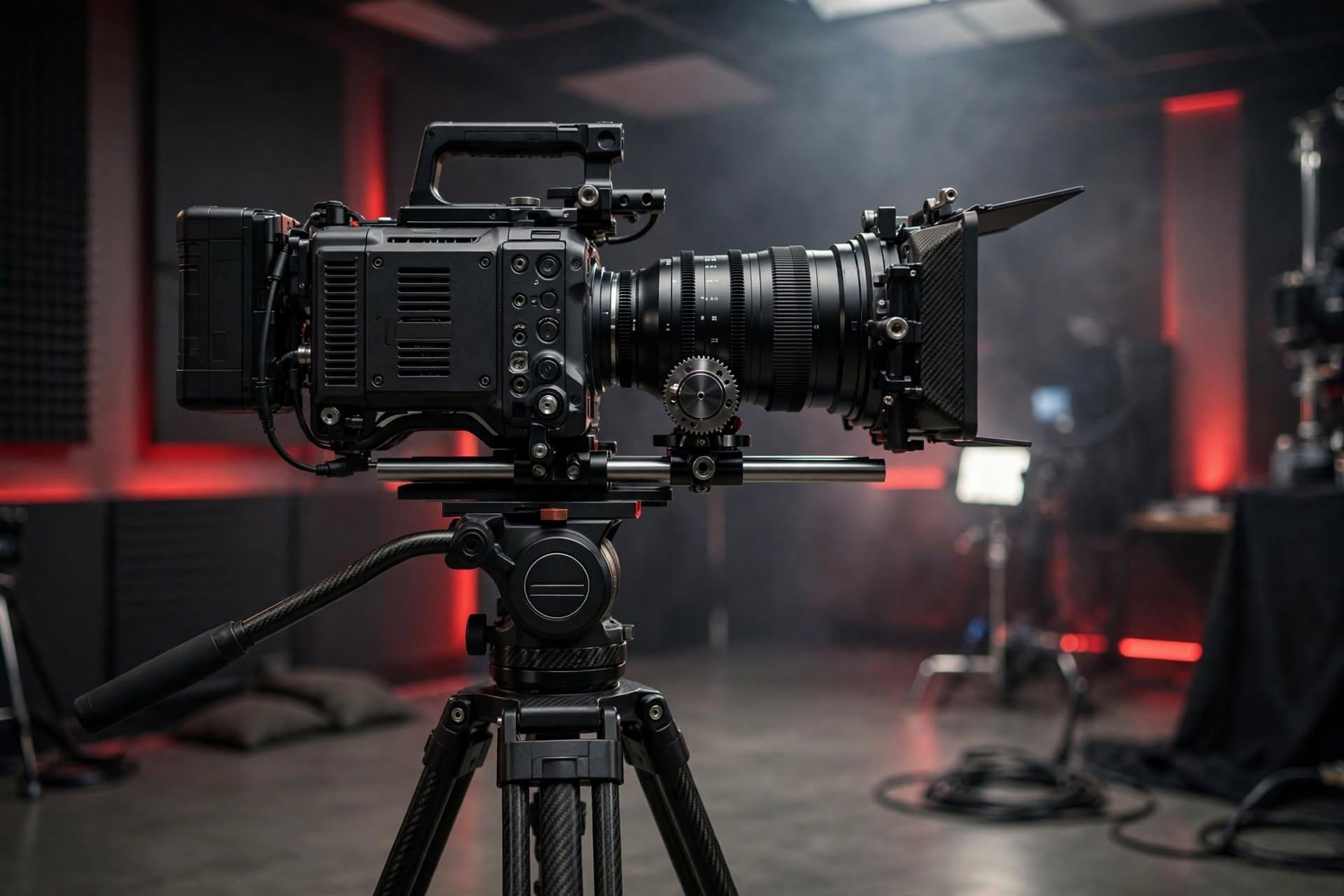

Businesses communicate with audiences every day through advertisements, websites, presentations and promotional content. However, simply listing products or services does not always make a message memorable. People are more likely to understand information when it is presented through a clear story with a meaningful beginning, development and conclusion. A film production company dubai can help businesses turn their ideas into structured visual stories that explain what they offer and why it matters.
Storytelling gives promotional films a human purpose. Instead of presenting a company as a collection of services, a film can show the problem it helps solve, the people behind its work and the value it aims to provide. This approach makes business communication more relatable without requiring exaggerated claims or complicated language.
Building a Story Around the Audience
An effective promotional film should begin with the audience rather than the company. Businesses need to understand the questions, interests and challenges of the people they want to reach. A film aimed at potential customers may focus on a common problem, while a recruitment video may highlight workplace culture and professional opportunities.
Understanding the audience helps determine the right story. For example, a company offering a technical service might show how a customer experiences a challenge and explain the steps involved in addressing it. A product-based business could demonstrate how an item is designed, used and maintained.
The story should remain relevant to the audience's needs. Including too many company details can weaken the message. A focused narrative gives viewers a clear reason to continue watching and helps them remember the main point after the film ends.
Developing a Clear Message and Narrative Structure
A promotional film needs one central message. Before writing the script, the business should decide what viewers should remember. This message might explain a product's main benefit, introduce a company's approach or communicate the purpose of a new campaign.
A simple narrative structure can make the message easier to follow. The opening introduces a situation or question. The middle develops the idea through information, demonstrations or human experiences. The ending reinforces the main message and gives viewers a suitable next step.
The opening is especially important because viewers decide quickly whether content deserves their attention. A relevant question, interesting visual or recognisable situation can encourage them to continue. However, the opening should connect directly to the subject rather than use an unrelated dramatic scene.
The script should also sound natural when spoken. Short sentences, familiar language and a logical sequence make voice-over and interview content easier to understand. Reading the script aloud before filming can reveal awkward phrases and unnecessary repetition.
Combining Real People with Visual Storytelling
People can make a promotional film feel more authentic. Employees, founders, specialists and customers may provide useful perspectives when their participation supports the story. Interviews can explain the thinking behind a service, while demonstrations show how a product works in practice.
Real participants should be prepared without making their responses sound artificial. Interview questions should encourage clear explanations rather than memorised promotional statements. The production team can guide the conversation while allowing the speaker's personality to remain visible.
Visual storytelling also helps explain ideas that are difficult to communicate through dialogue alone. Close-up shots can show product details, wide shots can establish a location and process footage can explain how work is completed. Supporting visuals should add information instead of repeating everything already said.
A good balance between spoken content and visual evidence keeps the film engaging. If the narrator explains every detail while the screen shows unrelated footage, viewers may struggle to connect the two. Each shot should support the message being communicated at that moment.
Maintaining Quality During Production and Editing
Once the concept and script are approved, production planning turns the story into a practical filming process. The team considers locations, participants, equipment, lighting, sound and the schedule. A storyboard or shot list helps identify the visuals required for each part of the narrative.
During filming, the director and camera team work to capture footage that supports the planned story. Interviews need clear sound and suitable framing. Product demonstrations may require multiple angles, while location footage can establish the setting and atmosphere.
Editing gives the story its final structure. The editor selects the strongest footage, removes unnecessary pauses and arranges scenes in a logical order. Music, sound effects, colour correction, captions and graphics can improve the final presentation when used carefully.
The editing process should protect the original message. Fast transitions and visual effects are not automatically useful. If an effect distracts from the information, it may reduce clarity. The final version should feel consistent with the brand and appropriate for its intended audience.
Preparing Promotional Films for Different Platforms
A completed film may be shared through a website, social media channels, email campaigns, presentations or digital advertising. Each platform has different viewing conditions, so businesses should plan suitable versions rather than publish the same file everywhere without review.
Mobile viewers often watch vertical or square content, while websites and presentations may use a widescreen format. Short edits can highlight one message, whereas a longer version may explain the complete story. Captions are useful when people watch without sound.
The first seconds of a social media edit should communicate the subject clearly. A recognisable visual or direct opening line can help viewers understand why the content is relevant. The accompanying caption should provide context and encourage an appropriate action.
Businesses should also consider consistency. The film's colours, tone, language and visual style should match other brand communications. A coordinated publishing plan can help the content reach audiences over time instead of relying on a single upload.
Conclusion
Storytelling makes promotional films more useful by giving business information a clear structure and a human connection. When the narrative reflects audience needs, uses authentic visuals and communicates one central message, viewers can understand the company more easily. Businesses can continue the story after production by planning suitable edits and working with a Social Media Agency Dubai to distribute content in formats that fit each platform. The strongest promotional films combine a relevant message with thoughtful production and a clear publishing purpose.
FAQs
1. What is storytelling in promotional video production?
It is the process of organising business information into a meaningful narrative that helps viewers understand a brand, product or service.
2. Should every promotional film include interviews?
No. Interviews are useful when real perspectives add value, but some films communicate more effectively through demonstrations, narration or visual sequences.
3. How can a business make its promotional film engaging?
It can focus on audience needs, use a clear opening, show relevant visuals and avoid unnecessary information.
4. Why should a script be prepared before filming?
A script provides direction, organises the message and helps the production team identify the footage needed to tell the story.
5. Can storytelling work for technical businesses?
Yes. Demonstrations, simple explanations and real-world examples can make complex products or services easier to understand.


