


Heat Exchangers: Types, Applications, and Tips for Better Industrial Performance
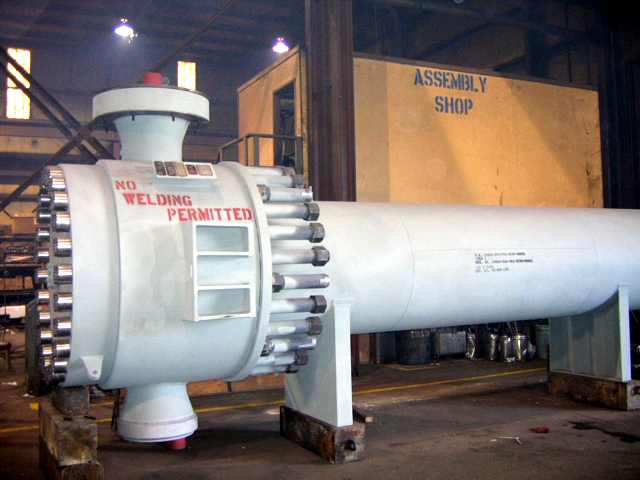
Temperature control is an important part of industrial operations. Equipment used in manufacturing, chemical processing, and power generation often produces heat that must be removed or transferred to maintain stable operating conditions. Heat exchangers help manage this thermal energy and support the smooth operation of industrial systems.
Different processes require different heat transfer solutions. Factors such as fluid properties, operating temperatures, pressure, available space, and maintenance requirements determine which equipment is most suitable. Understanding these factors can help businesses make better decisions when selecting heat transfer equipment.
What Are Heat Exchangers?
Heat exchangers are devices designed to transfer thermal energy between two fluids without allowing them to mix during normal operation. The fluids may be liquids, gases, or a combination of different phases, depending on the application.
One fluid releases heat while the other absorbs it through a heat-conducting surface. This process can be used for cooling, heating, condensation, and energy recovery.
For example, an industrial machine may generate heat in its lubricating oil during operation. A heat exchanger can transfer that heat to a cooling medium, helping maintain a suitable oil temperature and supporting equipment performance.
How Do Heat Exchangers Work?
The working principle is based on the temperature difference between two fluid streams. Heat naturally moves from a hotter region toward a cooler one.
In an indirect heat exchanger, the fluids travel through separate passages divided by tubes or metal plates. Thermal energy passes through the separating surface while the fluids remain apart.

The amount of heat transferred depends on several factors, including the temperature difference, fluid flow rates, heat transfer surface area, and properties of the fluids.
Some systems use counter-current flow, where the fluids move in opposite directions. Others use parallel flow or cross-flow arrangements. The appropriate configuration depends on the equipment design and process requirements.
Common Types of Industrial Heat Exchangers
Heat exchangers are available in several designs. Each type offers different advantages depending on the application.
1. Shell and Tube Heat Exchangers
Shell and tube heat exchangers consist of a bundle of tubes enclosed within a cylindrical shell. One fluid flows through the tubes, while the other moves around them inside the shell.
These units are commonly used in industrial cooling, oil and gas processing, chemical plants, and power generation. Their construction can accommodate a wide range of operating conditions when properly designed.
2. Brazed Plate Heat Exchangers
Brazed plate heat exchangers contain thin metal plates permanently joined with a brazing material. The plates form narrow channels for the hot and cold fluids.
Their compact construction and effective heat transfer make them suitable for applications such as refrigeration, heat pumps, and industrial cooling. Because the plates cannot normally be separated for mechanical cleaning, fluid cleanliness and compatibility are important selection factors.
3. Air-Cooled Heat Exchangers
Air-cooled heat exchangers transfer heat from a process fluid to surrounding air. Fans may be used to increase airflow across the heat transfer surfaces.
These systems can be useful at sites where cooling water is limited or where an air-based cooling arrangement is preferred. Their performance depends partly on ambient air temperature, airflow, and equipment design.
4. Plate Heat Exchangers
Plate heat exchangers use a series of thin plates to separate fluid channels. Gasketed versions can often be opened for cleaning and maintenance, while other configurations use welded or permanently joined construction.
They are suitable for many liquid-to-liquid heating and cooling applications where compactness and effective heat transfer are important.
5. Plate-Fin Heat Exchangers
Plate-fin heat exchangers use thin plates and fins to create a large heat transfer surface within a compact structure. They can be useful in applications involving gases, multiple fluid streams, or demanding space requirements.
The suitability of this design depends on the operating conditions, cleanliness of the fluids, and maintenance requirements.
Industrial Applications of Heat Exchangers
Heat exchangers support a wide range of industrial processes.
Manufacturing and Machinery
Industrial machines generate heat through friction, mechanical work, and continuous operation. Heat exchangers help remove excess heat from lubricating oil, hydraulic systems, and process fluids.
Chemical Processing
Chemical plants require controlled temperatures for heating, cooling, and condensation. Equipment selection must consider fluid compatibility, corrosion potential, and the possibility of deposits forming on heat transfer surfaces.
Oil and Gas Operations
Heat exchangers can support process cooling, fluid heating, gas cooling, and energy recovery. The selected design must meet the required pressure, temperature, and material specifications.
Power Generation
Power facilities use heat exchangers in cooling circuits, turbine lubrication systems, condensers, and auxiliary equipment. Reliable temperature control helps support consistent plant operation.
Compressor and Vacuum Systems
Compressors and vacuum equipment may require cooling to control temperatures during operation. A suitable heat exchanger can help remove heat from compatible oil, water, or other process fluids.
Energy Recovery
Some industrial processes release heat that can be reused elsewhere. Heat exchangers can transfer this energy to another fluid stream, reducing the need for additional heating in suitable systems.
Benefits of Using Heat Exchangers
When correctly selected and maintained, heat exchangers can provide several operational advantages.
-
Temperature control for industrial equipment and processes.
-
Effective heat transfer between separate fluid streams.
-
Opportunities to recover and reuse waste heat.
-
Support for stable operating conditions.
-
Equipment options for different pressure, temperature, and space requirements.
-
Potential reductions in energy consumption when integrated into an efficient system.
The actual benefits depend on the application, equipment design, and operating conditions.
How to Choose the Right Heat Exchanger
Selecting suitable equipment requires a clear understanding of the process requirements.
Identify the Heat Load
Determine how much heat must be transferred and establish the required inlet and outlet temperatures. These details help determine the necessary heat transfer capacity.
Understand the Fluids
Review the fluids' chemical composition, viscosity, corrosion potential, and tendency to form deposits. These properties influence material selection and maintenance needs.
Check Pressure and Temperature Requirements
Confirm the operating and design conditions for both fluid streams. The chosen equipment must remain within its specified limits during normal operation and foreseeable variations.
Consider Flow Rates and Pressure Drop
Fluid flow affects thermal performance, while pressure drop influences the energy needed to circulate fluids. Both factors should be evaluated before selecting a model.
Review Cleaning Requirements
Applications involving scale, sludge, or other deposits may require frequent cleaning. Select a design that provides an appropriate cleaning method and sufficient maintenance access.
Evaluate Installation Space
Consider the available footprint, piping connections, equipment orientation, and clearance required for inspection or component removal.
Maintenance Tips for Consistent Performance
Regular maintenance helps prevent avoidable performance problems and supports reliable operation.
-
Monitor inlet and outlet temperatures.
-
Check pressure drop for signs of fouling or restricted flow.
-
Inspect accessible connections for leakage and corrosion.
-
Maintain suitable fluid quality and filtration.
-
Clean heat transfer surfaces according to the manufacturer's recommendations.
-
Keep records of operating conditions, inspections, and maintenance work.
A reduction in heat transfer performance may indicate fouling, insufficient flow, or changing process conditions. Investigating these factors early can help prevent more serious operating issues.
Before maintenance begins, the equipment should be safely isolated, depressurized, and cooled. Inspection and repair should follow the manufacturer's procedures.
Common Heat Exchanger Problems
Fouling occurs when unwanted deposits accumulate on heat transfer surfaces. These deposits can reduce thermal performance and restrict fluid flow.
Corrosion can damage metal surfaces when construction materials are incompatible with the fluids or operating environment. Leakage may also occur because of damaged components, worn seals, or mechanical problems.
Incorrect sizing, poor installation, and operating conditions outside the equipment's design limits can further affect performance. Proper selection and routine monitoring help reduce these risks.
Selecting Industrial Heat Transfer Equipment
Choosing suitable heat transfer equipment involves balancing thermal performance, installation requirements, material compatibility, and maintenance needs. Comparing these factors helps businesses identify a design that matches their process rather than relying on equipment size or initial price alone.
Courtney & Nye works with industrial customers seeking heat exchangers, pumps, and process equipment for different applications. Reviewing the process conditions and technical requirements can help identify an appropriate solution for industrial heating and cooling needs.
Conclusion
Heat exchangers play an important role in industrial temperature control, process cooling, heating, and energy recovery. Shell and tube, brazed plate, air-cooled, plate, and plate-fin designs each offer different benefits for specific applications. In industrial systems that use Elmo Rietschle vacuum pumps, effective heat management can help control operating temperatures, support equipment reliability, and maintain efficient process performance.
The best choice depends on the required heat load, fluid characteristics, pressure, temperature, available space, and maintenance plan. Careful selection and routine maintenance can help support consistent heat transfer and dependable industrial operation.

 English
 Arabic
 French
 Spanish
 Portuguese
 Deutsch
 Turkish
 Dutch
Dutch
 Italiano
 Romaian
 Portuguese (Brazil)
 Greek
Greek