


How Ecommerce Development Services Help Businesses Grow Online
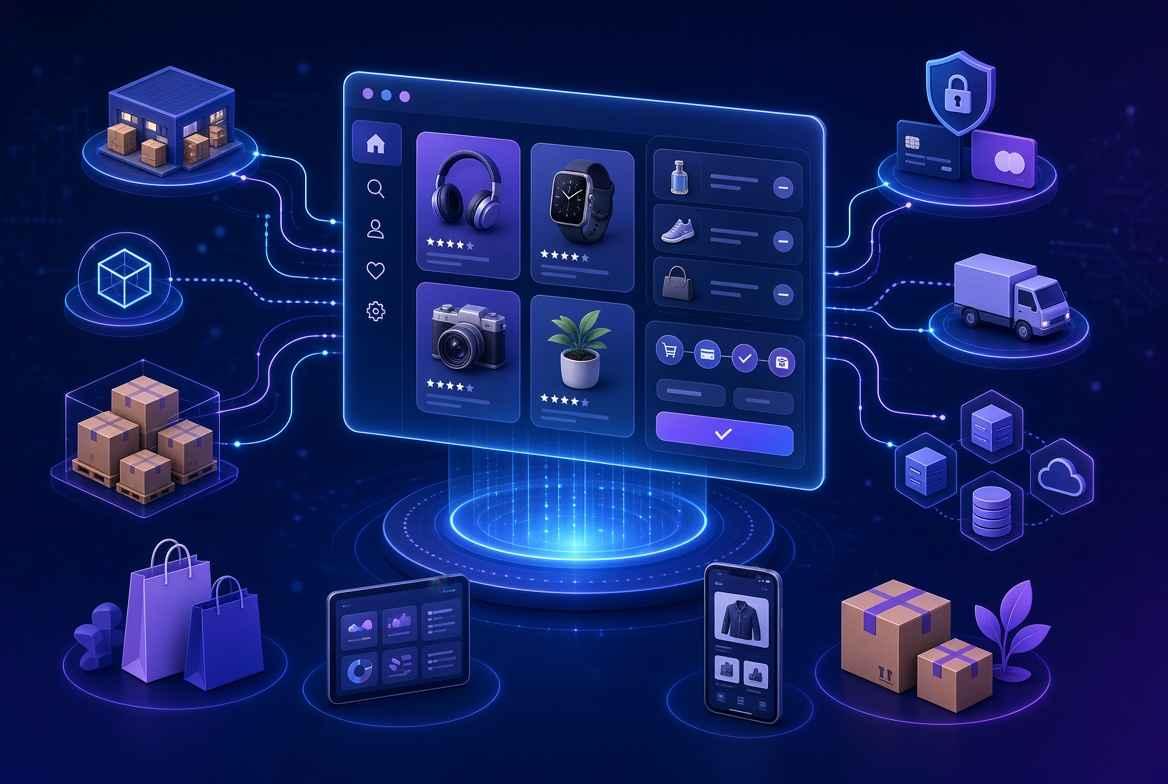
Building a successful online business requires more than listing products on a website. Customers expect a smooth shopping experience, secure payments, fast loading pages, and convenient delivery options. Businesses that fail to meet these expectations may struggle to attract visitors and convert them into paying customers. This is where Ecommerce Development Services can make a meaningful difference. They help businesses create functional, user friendly online stores that support customer needs and long term growth.
Whether a company is launching its first online store or improving an existing shopping platform, the right development strategy can simplify operations and strengthen its digital presence. By combining thoughtful design, reliable technology, and practical business features, companies can build ecommerce experiences that encourage customers to return.
Why Ecommerce Development Matters for Business Growth
An ecommerce website often serves as the first point of contact between a business and its online customers. A poorly organized store can make products difficult to find, while a well structured website helps visitors explore categories, compare options, and complete purchases with confidence.
Professional development focuses on usability, performance, accessibility, and functionality. For example, a clothing retailer might introduce clear product categories, detailed size guides, customer reviews, and a straightforward checkout process. These improvements can reduce confusion and help shoppers make informed purchasing decisions.
A well developed website also gives businesses greater control over their online presence. Instead of relying entirely on third party marketplaces, companies can build their own brand identity, communicate directly with customers, and create a shopping experience that reflects their business goals.
Creating a Better Customer Shopping Experience
Responsive Design for Every Device
Many customers browse products on smartphones before deciding whether to make a purchase. If an online store is difficult to navigate on a smaller screen, potential buyers may leave before reaching checkout.
Responsive ecommerce design adjusts page layouts, images, menus, and purchasing features to different screen sizes. Buttons should be easy to tap, product information should remain readable, and checkout forms should require minimal effort. Businesses should test their websites on different devices to identify usability problems before they affect customers.
Simple Navigation and Secure Checkout
Customers need to locate products quickly and understand the purchasing process. Clear navigation, useful search filters, accurate product descriptions, and transparent shipping costs can make shopping easier.
Secure payment gateways and visible trust signals also help customers feel more comfortable sharing their information. For instance, an electronics store can display warranty details, delivery estimates, and available payment methods before checkout. Providing this information early helps reduce uncertainty and supports a more confident buying decision.
How Custom Ecommerce Development Services Support Unique Needs
Every business has different operational requirements. A small retailer may need a straightforward product catalog, while a wholesale supplier might require bulk pricing, customer specific discounts, and account based ordering.
Custom Ecommerce Development Services allow businesses to build features around these specific requirements instead of forcing their processes into a standard template. Depending on the project, this may include inventory synchronization, advanced product filters, subscription purchasing, customer dashboards, or integration with existing business systems.
Consider a company that sells products through both physical stores and an online shop. Connecting its ecommerce platform with inventory management software can help synchronize stock levels and reduce the risk of selling unavailable products. Before investing in custom features, businesses should identify their biggest operational challenges and prioritize improvements that provide measurable value.
Choosing the Right Ecommerce Website Development Company
Selecting an experienced development partner can influence the quality, reliability, and scalability of an online store. Businesses should look beyond attractive designs and examine how a provider approaches functionality, security, performance, and ongoing maintenance.
Evaluate Experience and Technical Capabilities
An ecommerce website development company should understand the business model, target audience, product catalog, and expected sales process. Ask potential partners about their experience with relevant platforms, payment integrations, mobile optimization, and website migrations. Reviewing previous projects can help determine whether their work aligns with your requirements.
Businesses should also discuss project timelines, communication methods, support arrangements, and future development needs before signing an agreement. Clear expectations help prevent misunderstandings and make it easier to measure project progress.
Plan for Scalability and Maintenance
An online store that works well with fifty products may need additional capabilities when its catalog expands to thousands of items. Planning for growth helps businesses avoid unnecessary redevelopment as demand increases.
Regular updates, security checks, backups, and performance monitoring are equally important. Companies can explore the digital services available through CrecenTech when evaluating technology partners for their broader business goals.
Improving Website Performance and Search Visibility
Website speed and search engine optimization both influence how customers discover and use an online store. Slow loading pages can frustrate visitors, while missing product information can make it harder for search engines to understand what a business sells.
Effective development includes optimized images, clean website architecture, descriptive page titles, logical category structures, and mobile friendly layouts. Product pages should answer common questions about pricing, specifications, availability, shipping, and returns. Structured data can also help search engines interpret eligible product information.
Businesses should monitor organic traffic, product page engagement, conversion rates, cart abandonment, and checkout completion. These measurements reveal where improvements may have the greatest impact. For example, if customers frequently abandon their carts after shipping charges appear, displaying delivery costs earlier may help address the problem.
Integrating Ecommerce With Business Operations
A successful online store must work efficiently behind the scenes as well as in front of customers. Integrating ecommerce software with inventory systems, customer relationship management platforms, accounting tools, and order fulfillment services can reduce repetitive manual work.
Automation can help send order confirmations, update stock records, and notify customers about shipping progress. Artificial intelligence can also support product recommendations and customer service when implemented appropriately. Businesses should choose integrations based on genuine operational needs rather than adding technology without a clear purpose.
Conclusion
Investing in Ecommerce Development Services helps businesses create convenient shopping experiences, strengthen their online presence, improve operational efficiency, and prepare for sustainable growth. The best results come from combining user focused design, reliable functionality, search optimization, and ongoing performance improvements.
Businesses should begin by identifying customer pain points, defining measurable goals, and selecting development solutions that can evolve with their needs. Partnering with a capable technology provider can make this process more manageable. Explore CrecenTech to learn how digital development expertise and AI technology solutions can support your business goals and help build a stronger online presence.
Frequently Asked Questions
1. How do ecommerce development services help businesses increase sales?
They improve website usability, product discovery, mobile shopping, payment security, and checkout efficiency. These improvements can help reduce purchasing barriers and encourage more visitors to complete orders.
2. What is included in professional ecommerce development services?
Services may include website design, storefront development, payment integration, inventory management, mobile optimization, security implementation, third party integrations, and ongoing maintenance.
3. Why should a business invest in custom ecommerce development services?
Custom development is useful when standard platforms cannot meet specific requirements, such as complex pricing rules, subscription models, specialized workflows, or integrations with existing business systems.
4. How do I choose the right ecommerce website development company?
Review relevant project experience, technical capabilities, client references, security practices, support services, pricing transparency, and the provider's ability to accommodate future business growth.
5. How long does it take to develop an ecommerce website?
A basic online store may take several weeks, while a complex ecommerce platform can require several months. The timeline depends on design requirements, integrations, product volume, testing, and project scope.
6. Can ecommerce website development improve search engine rankings?
Yes. A well structured website with mobile friendly pages, fast loading speeds, descriptive product content, and appropriate technical SEO can improve search engine accessibility and organic visibility. Rankings are not guaranteed.
7. Is ecommerce website development suitable for small businesses?
Yes. Small businesses can start with essential features and expand as demand grows. A scalable platform allows them to manage products, accept payments, reach new customers, and improve operations without investing in unnecessary functionality at the beginning.
8. How can AI technology improve an ecommerce website?
AI can support personalized product recommendations, automated customer support, demand forecasting, and product search improvements. Businesses should implement these features carefully and protect customer data.

 Arabic
 French
 Spanish
 Portuguese
 Deutsch
 Turkish
 Dutch
Dutch
 Italiano
 Russian
 Romaian
 Portuguese (Brazil)
 Greek
Greek