


Skin changes slowly, and many people notice it first around the eyes and mouth. Fine lines, dull texture, and thin skin often appear before deep wrinkles do. Surgeons searched for gentle options that go beyond creams but stop short of a facelift. One answer came from the patient's own body fat. In 2013, surgeons Tonnard and Verpaele described a liquid form of fat they called nanofat. It could pass through very fine needles and be injected just under the skin surface. Since then, clinics worldwide have adopted the idea. The key to the method is a small tool that refines the fat. This guide explains how that tool works and what the research shows. It also covers recovery, risks, and questions to ask your surgeon. Read it before you book a consultation.
What Nanofat Actually Is
Standard fat grafting uses small chunks of fat. Those chunks suit volume loss, such as hollow cheeks. They are too thick for the skin's top layers. Nanofat is different. Surgeons first collect fat with a cannula that has tiny holes. They then break the fat into a thin, milky liquid. Large fat cells and tough fibers are removed. What remains includes stromal vascular fraction cells and growth factors. Researchers believe these cells help repair and renew skin. That is a working theory, not a proven cure. Because the liquid flows easily, a surgeon can inject it through needles as fine as 27 gauge. Common targets include the lower eyelids, lips, and fine lines. Nanofat does not add volume. It aims to improve skin quality.
Why Filtering Matters
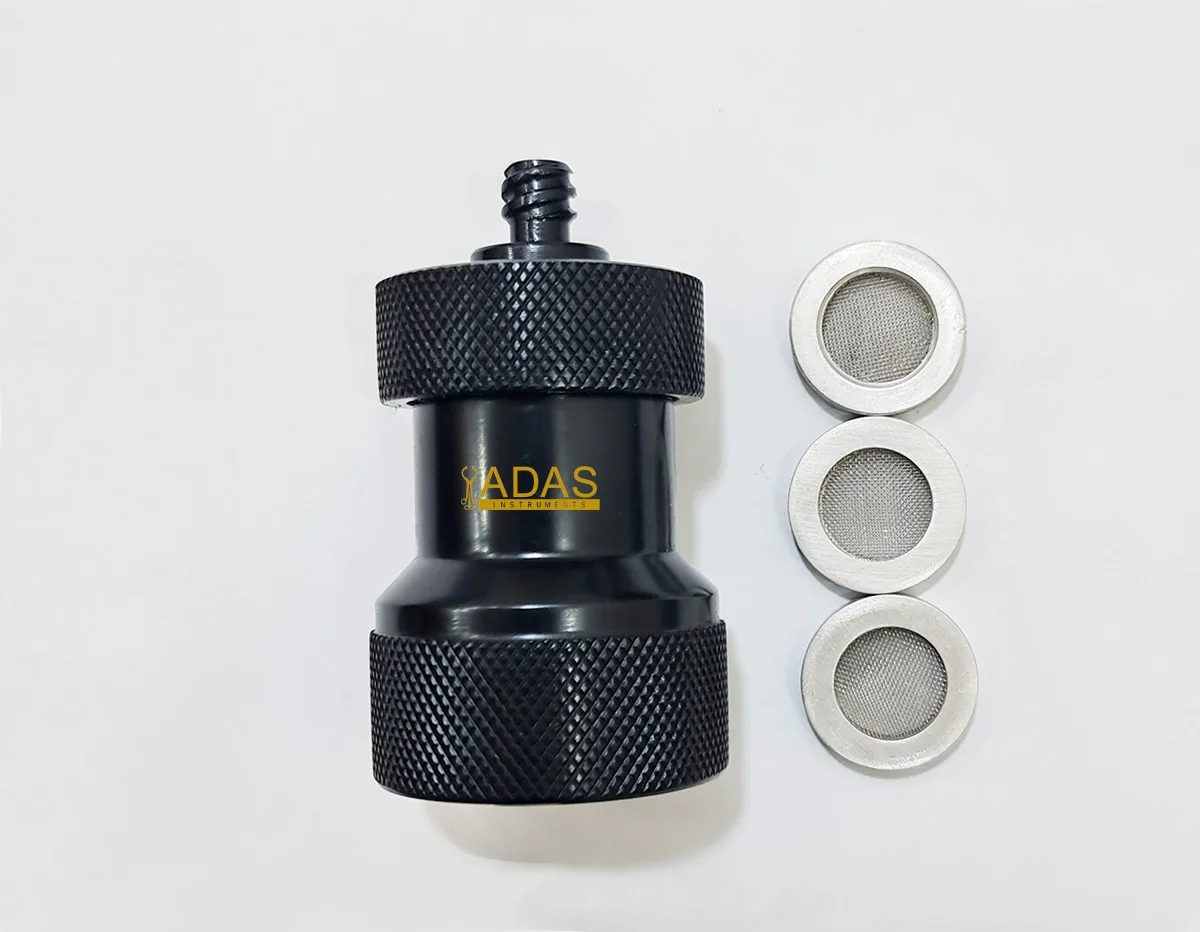
Raw fat contains fibrous strands that clog small needles. That is where a nanofat filter earns its place in the operating room. It is a small, sterile device with fine mesh screens. Emulsified fat flows through it. Strands and larger particles stay behind. A smooth liquid passes through and lands in a clean syringe. Published descriptions mention a double screen of 400 and 600 microns. The effective pore size sits near 500 microns, about half a millimeter. Pore size matters. A screen that is too coarse lets tough fibers through. One that is too fine may trap useful cells. Devices differ between brands, so ask what your clinic uses. The filter turns thick tissue into something injectable. It does not change the biology by itself.
How Surgeons Prepare Nanofat
Step One: Harvest and Emulsify
Surgeons start by numbing a donor area, often the abdomen or thighs. They infuse a tumescent solution and gently collect fat with a blunt cannula. The fat is rinsed, then moved between two syringes joined by a connector. The surgeon pushes it back and forth. Studies describe thirty to sixty passes, so protocols vary. Each pass shears the fat into smaller pieces. The mixture slowly turns creamy. This process breaks mature fat cells, and that is intended. The goal is not to keep fat cells alive. It is to keep the supportive cells and the surrounding matrix. Ask your surgeon how many passes they use. Ask how they keep the equipment sterile. Clear answers signal an experienced team.
Step Two: Filter and Inject
The emulsified fat then passes through the filter into a clean syringe. Some surgeons filter once. Others repeat the step. The result is a thin, pale liquid with no visible lumps. Clinics usually inject it soon after preparation. The surgeon places tiny amounts just under the skin surface with a fine needle. Common areas include the lower eyelids, cheeks, and scars. Some methods spin the liquid in a centrifuge to concentrate cells. One modified version is called Nanofat 2.0. Its extra steps aim to keep more stem cells. Researchers continue to compare these methods. No single protocol has clearly won. Ask which version your clinic uses and why.
What the Research Shows
Early studies look encouraging. The 2013 report described better skin quality six months after treatment. Later case series describe smoother texture and improved scars. Patients often report high satisfaction. Biopsies in one study showed changes in the dermis. The research still has limits. Most studies are small, and many lack control groups. Protocols differ widely, so results are hard to compare. The idea that stem cells do the work remains a theory. Some researchers also suggest the emulsification step loses useful cells. Treat before-and-after photos with care, because lighting and editing can mislead. Ask clinics for peer-reviewed data and real patient results. A good surgeon will explain what is known and what is not.
Recovery, Risks, and Choosing a Clinic
Most patients expect swelling, bruising, and tenderness at both the donor and injection sites. Mild redness often fades within days. One study of twenty patients reported no major complications. That sample was small, so risks still deserve respect. They include infection, uneven texture, lumps, and prolonged bruising. Follow your surgeon's advice on medicines and sun protection. Choose a board-certified plastic surgeon or dermatologic surgeon. Ask how many nanofat cases they perform each year. Ask whether the filter is sterile and single-use. Rules differ by country, so ask about approvals. Walk away from any clinic that promises guaranteed results. Plan a few quiet days away from work.
Frequently Asked Questions
Are the results permanent?
Not necessarily. Skin keeps aging, so effects can change over time. Ask about long-term plans.
Can it fill deep wrinkles or hollow cheeks?
No. It targets skin quality, not volume. Volume loss needs other grafting methods or fillers.
How much fat do surgeons collect?
Usually a small amount. The exact volume depends on the area treated and your surgeon's method.
Is it suitable if I am very thin?
Maybe. You need enough donor fat. A surgeon can check this during your consultation.
When will I notice changes?
Skin often improves gradually over weeks to months. The 2013 report assessed results at six months.
Final Thoughts
Nanofat turns a patient's own fat into a fine, injectable liquid for skin care. A small filter makes that step possible. Early results look promising, but larger studies are still needed. Ask detailed questions, review real evidence, and choose a qualified surgeon.


