

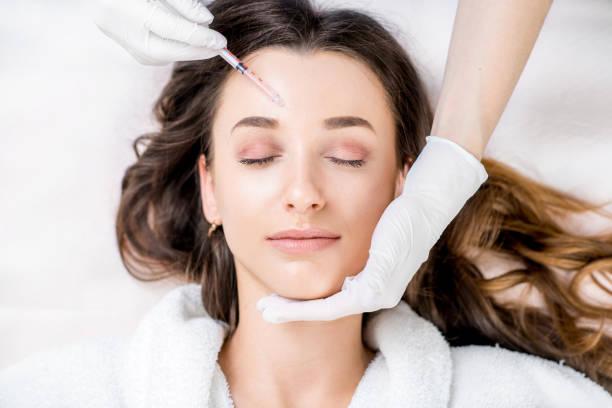

Acne scars can affect the overall appearance of facial skin, often leaving behind uneven texture, shallow indentations, and visible marks that remain long after active acne has disappeared. These changes may make the skin look less smooth and uniform, even when breakouts are no longer a concern. Facial platelet-rich plasma therapy has gained attention as an approach to improving skin quality by using components naturally present in the blood. PRP Treatments in Abu Dhabi are considered by individuals interested in supporting skin renewal, improving texture, and reducing the visible appearance of acne scars. Understanding how this treatment works and what improvements it may offer can help individuals determine whether it aligns with their skincare goals.
How Do Acne Scars Develop on Facial Skin?
Acne scars develop when inflammation associated with acne damages the deeper layers of the skin. During the natural healing process, the body produces collagen to repair the affected tissue. However, when collagen production is insufficient or uneven, the skin may develop permanent changes in texture and structure.
Some acne scars appear as small depressions, while others create broader uneven areas across the cheeks, forehead, or temples. The severity of these marks depends on the depth of the original inflammation, the skin's healing response, and individual collagen production.
Because acne scars involve changes beneath the skin's surface, improving their appearance often requires approaches that support deeper skin renewal rather than simply addressing the outermost layer.
What Is Facial PRP Treatment?
Facial platelet-rich plasma treatment is a regenerative aesthetic procedure that uses a concentrated portion of a person's own blood containing platelets and naturally occurring growth factors. These components are associated with the body's tissue-repair processes and play a role in supporting cellular activity and collagen production.
The procedure generally involves collecting a small blood sample and processing it through specialized equipment to separate the platelet-rich portion. The resulting plasma is then applied or introduced into selected facial areas using an appropriate technique.
The main objective is to encourage natural skin-repair activity and improve overall skin quality. Because collagen is an important structural protein, stimulating collagen-related processes may help improve the appearance of uneven texture associated with certain types of acne scars.
Can Facial PRP Treatments Help Reduce Acne Scars?
Yes, facial PRP treatments may help improve the appearance of certain acne scars by supporting collagen production and natural skin regeneration. When platelet-rich plasma is introduced into the targeted skin, its growth factors may encourage cellular activity involved in tissue repair.
This process can gradually improve the appearance of shallow scars and uneven skin texture. As collagen activity increases, the skin may become smoother and more uniform over time. However, the degree of improvement depends on the type of acne scars, their depth, and the individual's natural healing response.
PRP is not designed to completely remove every type of acne scar. Deep indentations and extensive scar tissue may require additional approaches to achieve more noticeable improvements. A proper assessment helps determine whether facial PRP is suitable as an individual treatment or as part of a broader skin-rejuvenation plan.
How Does PRP Support Collagen Production?
Collagen provides structural support to the skin and contributes to its firmness, smoothness, and elasticity. When acne-related inflammation damages the deeper skin layers, collagen production may become irregular, resulting in visible depressions and uneven texture.
Platelets contain growth factors that participate in the body's natural healing and tissue-repair activities. During PRP treatment, these growth factors are concentrated and introduced into the targeted facial areas. They may help stimulate cellular processes associated with collagen formation and tissue renewal.
As the skin gradually responds, improvements in texture and overall skin quality may become more noticeable. This process takes time because collagen development occurs naturally rather than producing an immediate change in the skin's structure.
Which Types of Acne Scars May Respond to Facial PRP?
Different acne scars have different structural characteristics, which influence how they respond to facial PRP treatment. Shallow atrophic scars, which appear as mild depressions in the skin, may be more suitable for approaches that encourage collagen production.
Rolling scars create broad, uneven depressions that give the skin a wavy appearance. These scars are associated with changes in the underlying supporting tissue. PRP may support overall skin renewal, although improvements can vary depending on the depth and structure of the scars.
Boxcar scars have more defined edges and noticeable depressions. Their response to PRP may be limited when the underlying tissue damage is significant. Deep ice-pick scars, which appear as narrow and deep openings, are generally more challenging to improve with PRP alone.
Understanding the specific type of acne scarring is important when determining realistic treatment expectations.
What Happens During a Facial PRP Session?
A facial PRP session generally begins with an evaluation of the skin to identify acne scars, uneven areas, and overall skin condition. A small blood sample is collected and processed using specialized equipment to separate the platelet-rich plasma from other blood components.
Once prepared, the concentrated plasma is introduced into the selected facial areas using a suitable application technique. The treatment focuses on areas where collagen support and skin renewal may help improve the appearance of acne scars.
The session is planned according to the individual's skin condition and treatment objectives. The approach may also vary depending on whether the primary concern involves shallow indentations, uneven texture, or broader facial skin rejuvenation.
How Long Does It Take to Notice Improvements in Acne Scars?
Improvements following facial PRP treatment generally develop gradually because the procedure relies on the body's natural tissue-renewal processes. Collagen production and skin remodeling require time, so changes in acne scar appearance may not be immediately visible.
Some individuals may begin noticing improvements in skin texture over the following weeks, while more gradual changes can continue over several months. The overall response depends on scar depth, skin condition, treatment technique, and individual healing characteristics.
It is also important to understand that PRP does not produce identical results for everyone. Individuals with mild scarring may experience different levels of improvement compared with those who have deeper or more extensive acne scars.
Can Facial PRP Improve Overall Skin Texture?
In addition to addressing the appearance of acne scars, facial PRP may support improvements in overall skin texture. Its growth factors are associated with cellular repair and collagen-related activity, which contribute to the skin's natural structure.
As the skin undergoes gradual renewal, some individuals may notice a smoother appearance, improved firmness, and more even-looking facial skin. These changes can complement the improvement of shallow acne scars by creating a more refined overall texture.
However, the main focus should remain on realistic improvements rather than expecting complete scar removal or an immediate transformation.
Final Thoughts
Facial PRP treatments may help reduce the visible appearance of certain acne scars by supporting collagen production and natural skin-renewal processes. The treatment uses platelet-rich plasma to encourage cellular activity that contributes to improved skin texture and structure. Although it may be beneficial for some shallow and uneven scars, its effectiveness depends on the type and depth of scarring. Understanding individual skin concerns and maintaining realistic expectations are essential when considering PRP for acne scar improvement.
FAQs
Can facial PRP completely remove acne scars?
PRP may improve the appearance of certain acne scars, but complete scar removal cannot be guaranteed.
Does PRP help with deep acne scars?
PRP may offer limited improvement for deep scars and is generally more suitable for supporting overall skin renewal.
How does PRP improve acne scar texture?
It uses platelet-derived growth factors that may support collagen production and natural tissue repair.
How many PRP sessions are needed for acne scars?
The number of sessions depends on scar severity, skin condition, and individual treatment goals.
When do PRP acne scar results become visible?
Visible improvements generally develop gradually over several weeks or months as collagen-related skin renewal takes place.


