

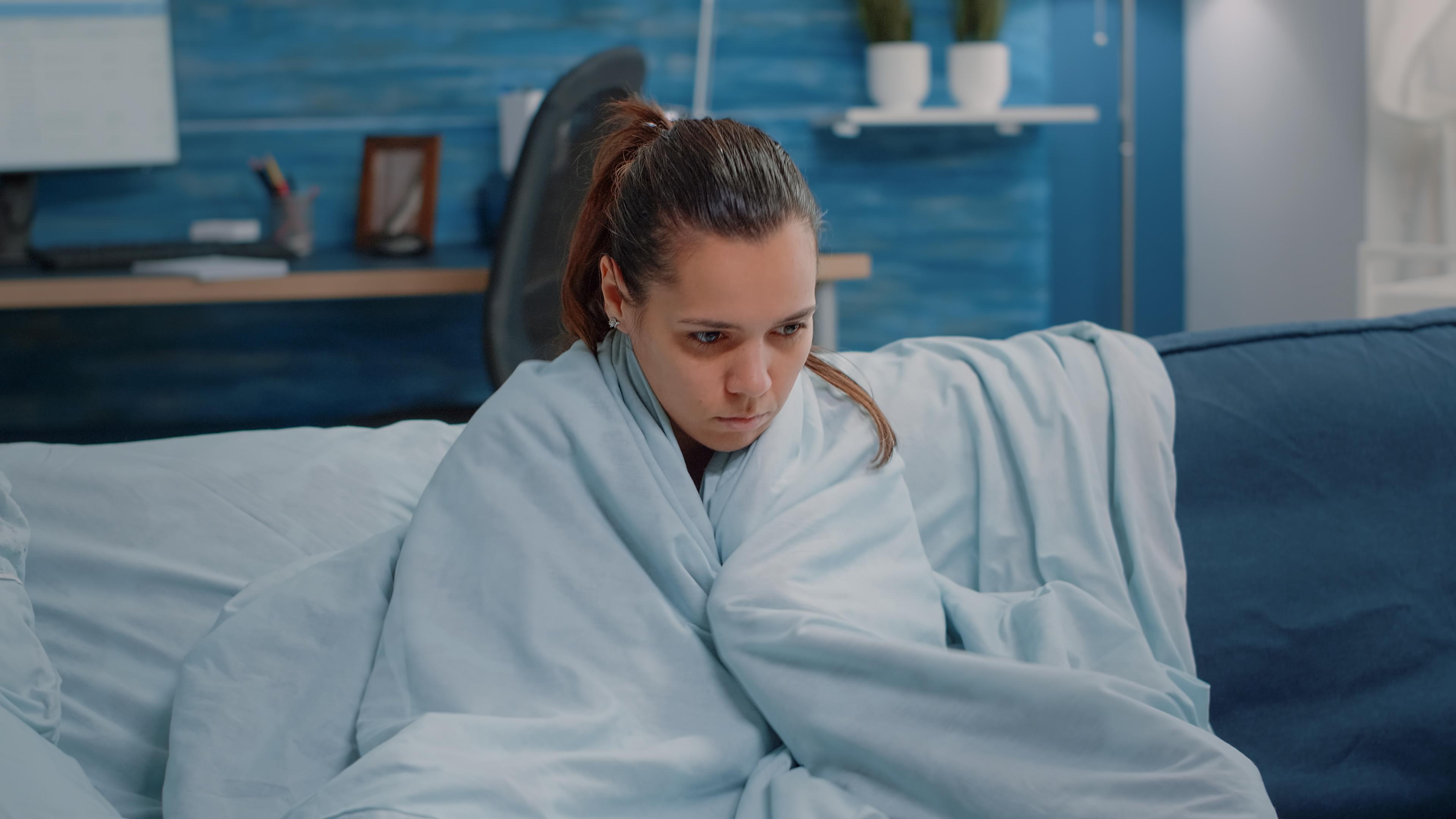

Waking up in the middle of the night feeling sweaty, only to experience chills or shivering moments later, can be uncomfortable and confusing. You may find your clothes damp, your bedsheets wet, and your body unusually cold despite having felt overheated just minutes earlier. This happens because sweating helps regulate body temperature, but excessive moisture can leave you feeling chilled as it evaporates. Understanding the connection between night sweats and body temperature can help you identify what is happening and find ways to sleep more comfortably.
Why Do You Feel Cold After Sweating During Sleep?
Your body naturally produces sweat to release excess heat. When sweat evaporates from your skin, it carries heat away, creating a cooling effect. After heavy sweating, this process can make your skin feel cold, especially when your sleepwear or bedsheets are damp.
However, evaporation is not the only possible reason. Hormonal changes, infections, blood sugar fluctuations, and your sleeping environment can also contribute to nighttime sweating and chills.
5 Common Reasons You Feel Cold After Night Sweats
1. Sweat Evaporation Lowers Your Body Temperature
The most straightforward explanation is the cooling effect of evaporation. When sweat dries on your skin, it removes heat from your body. If you sweat heavily during sleep, you may wake up feeling cold, uncomfortable, or even shaky.
Changing into dry clothes and covering yourself with a light blanket can help you feel comfortable again.
2. Hormonal Changes Affect Temperature Regulation
Hormonal fluctuations can interfere with your body's ability to regulate temperature. Menopause and perimenopause are common examples, as they can trigger hot flashes and night sweats.
After an episode of sweating, your body may cool down quickly, leaving you feeling chilled. If these episodes happen frequently, consider discussing them with a healthcare professional.
3. Infections Can Cause Night Sweats and Chills
Certain infections can cause fever, sweating, and chills. When your body temperature rises, you may feel hot and sweat more than usual. As the fever decreases, sweating helps release excess heat, which can leave you feeling cold.
If night sweats occur alongside persistent fever, coughing, unexplained weight loss, or unusual fatigue, seek medical advice.
4. Low Blood Sugar May Trigger Nighttime Sweating
Low blood sugar, also called hypoglycemia, can cause sweating during sleep. Other symptoms may include shakiness, dizziness, hunger, and a rapid heartbeat.
This is particularly important for people with diabetes who use insulin or certain blood sugar-lowering medications. If you regularly wake up sweating, discuss your symptoms with your healthcare provider.
5. An Overheated Sleeping Environment
Sometimes, the reason is simply your bedroom setup. Heavy blankets, thick sleepwear, poor ventilation, or a warm bedroom can cause excessive sweating during the night.
Once you remove the covers or sweat begins to evaporate, you may feel unexpectedly cold. Choosing breathable sleepwear and lighter bedding can help maintain a more comfortable sleeping temperature.
How to Prevent Feeling Cold After Night Sweats
A few simple changes to your nighttime routine can help reduce discomfort and improve sleep quality.
-
Change into dry sleepwear after waking up sweaty.
-
Choose breathable cotton or moisture-wicking fabrics.
-
Avoid heavy blankets and overly warm bedding.
-
Keep your bedroom at a comfortable temperature.
-
Drink enough water throughout the day.
-
Keep spare clothes and a dry towel near your bed.
-
Track recurring night sweats and any accompanying symptoms.
If night sweats are frequent, unexplained, severe, or affecting your sleep regularly, consult a healthcare professional to identify the underlying cause.
When Should You Be Concerned About Night Sweats?
Occasional night sweats may be related to room temperature, bedding, or temporary changes in body temperature. However, repeated episodes without an obvious explanation deserve attention.
Seek medical advice if night sweats occur with persistent fever, unexplained weight loss, a long-lasting cough, or unusual fatigue. Prompt medical attention is also important if you experience serious symptoms such as breathing difficulties.
Final Thoughts
Feeling cold after waking up with night sweats is often caused by sweat evaporating from your skin and carrying away body heat. However, hormonal changes, infections, low blood sugar, and an overheated sleeping environment may also contribute. Making small adjustments to your sleepwear and bedroom can help reduce discomfort. If the sweating continues or occurs with other unusual symptoms, getting medical advice can help you understand the cause and find the right solution.
Frequently Asked Questions
1. Why do I wake up sweating and then feel cold?
Sweat evaporating from your skin removes heat from your body, which can make you feel cold or experience chills after waking up.
2. Can night sweats cause chills while sleeping?
Yes. Heavy sweating can leave your skin and clothes damp. As the moisture evaporates, your body loses heat, which may cause chills or shivering.
3. Are night sweats a sign of low blood sugar?
Yes. Low blood sugar can cause nighttime sweating, shakiness, hunger, dizziness, and a rapid heartbeat, particularly in people with diabetes.
4. When should I worry about night sweats and chills?
You should seek medical advice if night sweats happen frequently without an obvious reason or occur with fever, unexplained weight loss, or persistent coughing.
5. How can I stop feeling cold after night sweats?
Change into dry clothes, use breathable bedding, maintain a comfortable bedroom temperature, and stay hydrated throughout the day.


