

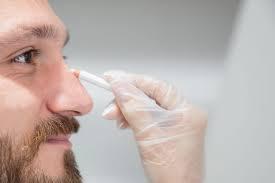
What Factors Does Tajmeels Clinic Consider When Planning Nasal Tip Refinement?
Nasal tip refinement is an important part of rhinoplasty because the shape, position, and structure of the nasal tip can significantly influence overall facial appearance. Some people feel that their nasal tip is too rounded, wide, droopy, asymmetrical, or disproportionate to the rest of their nose. Even small differences in nasal tip structure can affect facial balance.
Planning nasal tip refinement requires more than simply changing the external appearance of the nose. A careful assessment of nasal anatomy, cartilage strength, skin thickness, facial proportions, and breathing function helps determine an appropriate surgical approach. In Dubai, individuals considering Rhinoplasty in Dubai should understand which factors influence treatment planning and why personalised evaluation matters.
Understanding Nasal Tip Refinement in Rhinoplasty
Nasal tip refinement is a surgical approach used to improve the shape, definition, projection, or position of the nasal tip. It may involve adjusting the underlying cartilage and supporting structures to create a more balanced appearance.
Depending on individual anatomy, the nasal tip may appear bulbous, broad, uneven, or downward-pointing. Rhinoplasty planning considers these concerns while maintaining the structural support required for normal nasal function.
The objective is not to create an identical nose for everyone. Instead, treatment planning focuses on achieving proportions that complement the individual's existing facial features.
1. Natural Nasal Tip Shape and Structure
The first consideration is the patient's existing nasal tip anatomy. The lower lateral cartilages play an important role in determining the width, shape, and support of the nasal tip.
Some individuals naturally have wider or more rounded cartilage structures, while others may have an uneven or less defined tip.
During assessment, the specialist examines:
-
Nasal tip width and overall shape.
-
Cartilage size, position, and strength.
-
Existing asymmetry between the nostrils.
-
Nasal tip projection and rotation.
-
The relationship between the tip and nasal bridge.
Understanding these structural characteristics helps determine which adjustments may be appropriate without unnecessarily weakening the nose.
2. Skin Thickness and Quality
Skin thickness is another important factor when planning nasal tip refinement. It influences how clearly the underlying cartilage structure may become visible after surgery.
People with thicker nasal skin may have less visible tip definition because the soft tissue can conceal subtle structural changes. In contrast, thinner skin may reveal small irregularities more easily.
Skin elasticity and quality also influence how the tissue adapts during healing. Therefore, the surgical plan should consider realistic improvements rather than promising a particular level of sharpness or definition.
3. Facial Proportions and Symmetry
A nasal tip should complement the entire face rather than be evaluated independently. Its appearance is influenced by the forehead, cheeks, lips, chin, and overall facial profile.
For example, a nasal tip that appears too prominent from one angle may look balanced from another. Similarly, excessive refinement can sometimes create an unnatural appearance if it does not suit the patient's facial proportions.
A detailed facial assessment helps identify how nasal tip projection, width, and rotation relate to surrounding features.
The goal is to maintain facial harmony while addressing the concerns that matter most to the individual.
4. Nasal Tip Projection and Rotation
Projection refers to how far the nasal tip extends from the face, while rotation describes the direction in which the tip points.
Some patients are concerned about excessive projection, whereas others feel their nasal tip lacks definition or appears too low.
These characteristics require individual assessment because changing one aspect can influence the overall nasal profile.
A suitable rhinoplasty plan considers the patient's anatomy, facial proportions, and desired outcome before determining whether adjustments to projection or rotation may be beneficial.
5. Nasal Cartilage Strength and Structural Support
Cartilage provides essential support to the nasal tip. Its strength, shape, and position influence both appearance and stability.
If cartilage is naturally weak or has been affected by previous surgery or injury, additional structural support may need to be considered.
Over-removing or excessively modifying cartilage can affect nasal stability and potentially contribute to breathing difficulties or changes in nasal shape.
For this reason, modern rhinoplasty planning places importance on preserving functional support while making appropriate aesthetic adjustments.
6. Breathing Function and Internal Nasal Anatomy
Nasal tip refinement should not focus exclusively on external appearance. Internal nasal anatomy and breathing function are equally important considerations.
A specialist may assess the nasal septum, internal airways, and nasal valve areas to identify structural concerns that could influence treatment planning.
Patients experiencing nasal obstruction, previous breathing difficulties, or a history of nasal injury should discuss these concerns during consultation.
Evaluating function alongside appearance helps support a more comprehensive rhinoplasty approach.
7. Previous Nasal Procedures or Injuries
A history of previous rhinoplasty, nasal surgery, or physical injury can influence the complexity of nasal tip refinement.
Previous procedures may change cartilage availability, tissue flexibility, and structural support. Scar tissue can also make surgical planning more challenging.
Revision rhinoplasty may require a more detailed assessment to understand existing changes and determine whether additional support is needed.
Providing accurate medical and surgical history helps the specialist develop a treatment plan based on the patient's current nasal structure.
8. Recovery Expectations and Healing Factors
Recovery is another important consideration when planning nasal tip refinement. Swelling around the nasal tip can remain noticeable longer than swelling in some other areas of the nose.
The final appearance develops gradually as tissues heal and adapt to their new structure. Skin thickness, surgical complexity, individual healing responses, and post-operative care can all influence this process.
Patients should understand that immediate post-surgical appearance does not represent the final result. Following aftercare instructions and attending recommended follow-up appointments are important parts of recovery.
Personalised Rhinoplasty Planning at Tajmeels Clinic
At tajmeels clinic dubai, rhinoplasty planning focuses on understanding individual nasal anatomy, aesthetic concerns, and functional requirements. Nasal tip refinement involves evaluating factors such as cartilage structure, skin thickness, facial proportions, nasal projection, and existing asymmetry.
During consultation, patients can discuss the changes they would like to address and understand the considerations involved in their treatment. A personalised assessment helps establish realistic expectations and determine whether nasal tip refinement is suitable for their individual circumstances.
The clinic-based evaluation also provides an opportunity to discuss recovery expectations, possible limitations, and the importance of preserving natural nasal structure and breathing function.
Conclusion
Nasal tip refinement requires careful planning because even small structural adjustments can influence overall facial appearance and nasal function. Factors such as cartilage strength, skin thickness, facial symmetry, tip projection, and breathing anatomy all contribute to treatment decisions.
Anyone considering rhinoplasty in Dubai should prioritise a detailed medical assessment and realistic expectations. Understanding these factors helps patients make informed decisions about nasal tip refinement while keeping facial balance, structural support, and long-term function in mind.
More Information
Tajmeels Clinic Dubai
WhatsApp: +971 56 203 8751
Phone: tel:+971 43739000
Social Media:


