

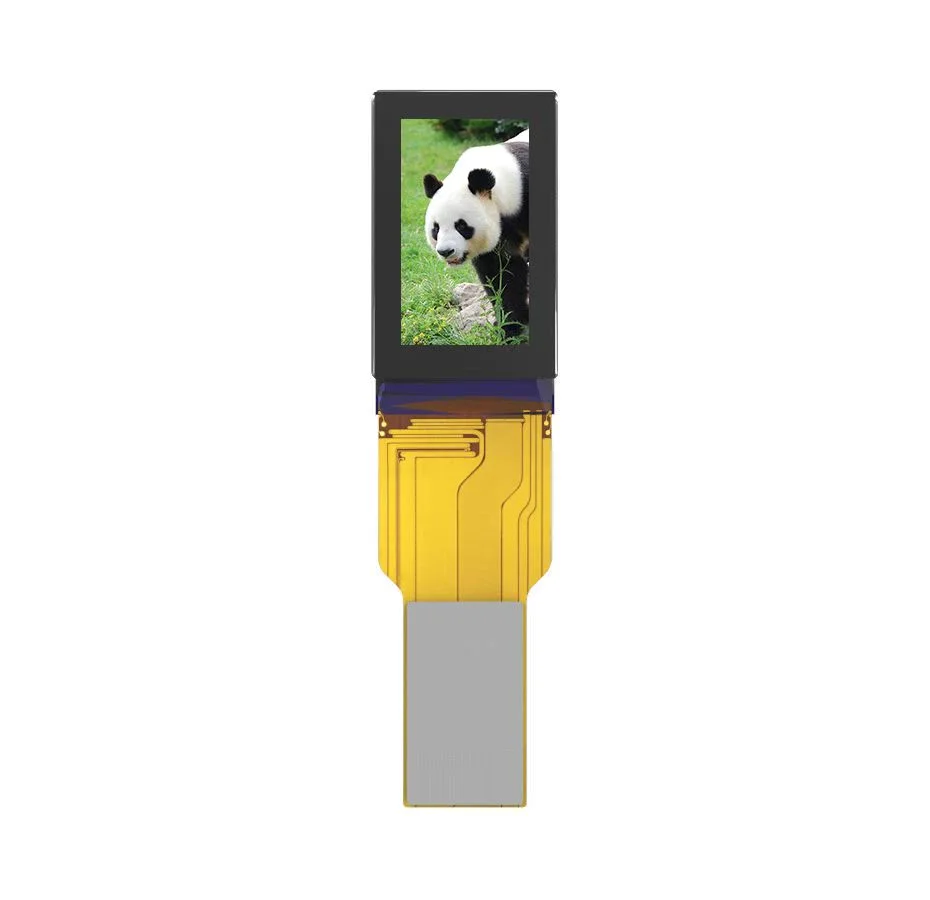
Small Screens, Expanding Possibilities: The Growing Importance of Microdisplay Technology

The evolution of modern electronics has created a growing demand for display components that deliver detailed visuals without requiring large amounts of physical space. From smart glasses and virtual reality headsets to electronic viewfinders and portable imaging equipment, manufacturers increasingly need compact visual solutions that fit into sophisticated product designs. A micro display addresses this requirement by providing a small display format that can be integrated into optical systems where space, resolution, and viewing performance are important considerations.
What Is Microdisplay Technology?
A microdisplay is a miniature screen designed to present visual information within a relatively small physical area. Unlike conventional displays intended for direct viewing, microdisplays are often incorporated into optical systems that magnify the image through lenses or other components.
They are used in applications where a traditional screen would be too large or impractical. By combining compact dimensions with detailed image output, microdisplay technology supports the development of smaller and more specialised electronic devices.
Different technologies can be used to manufacture microdisplays, including OLED, LCD, and other advanced display architectures. Each technology has its own characteristics, making selection dependent on the intended application and performance requirements.
Why Small Displays Are Becoming More Important
Device manufacturers are continuously working to reduce product size while improving functionality. This is particularly noticeable in wearable electronics, head-mounted equipment, portable cameras, and advanced optical instruments.
A compact display can help designers use available internal space more efficiently. It may also contribute to lighter device structures, depending on the complete system design.
In products such as smart glasses and head-mounted displays, the screen is only one part of a larger optical arrangement. Lenses, mirrors, light paths, and mechanical components must work together to deliver the intended viewing experience.
Microdisplay technology provides a foundation for creating these compact visual systems without relying on conventional large-format screens.
Applications Across Different Industries
Microdisplays are relevant to several industries because of their small dimensions and integration flexibility.
Augmented reality: AR devices use compact visual components to present digital information alongside the user's view of the real environment.
Virtual reality: VR headsets use miniature displays with optical lenses to create immersive viewing experiences.
Electronic viewfinders: Digital cameras and specialised imaging devices can use microdisplays to provide a compact viewing interface.
Wearable electronics: Smart glasses and other wearable products benefit from display components designed for limited internal space.
Industrial equipment: Certain inspection and professional imaging systems use miniature displays to present information within specialised optical devices.
The precise display technology and specifications required vary according to the intended use.
Important Specifications When Selecting a Microdisplay
Choosing a display for an optical device requires careful evaluation of several technical factors.
-
Resolution: Determines the amount of visual detail the display can reproduce.
-
Pixel density: Important for maintaining image clarity within a small screen area.
-
Brightness: Should match the optical design and expected viewing conditions.
-
Contrast: Influences the distinction between dark and bright image areas.
-
Power consumption: Particularly relevant for battery-powered portable products.
-
Display size: Must fit the available space and optical configuration.
-
Interface compatibility: The display must communicate correctly with the device's electronic system.
-
Thermal performance: Heat generation and operating conditions should be considered during integration.
These specifications should be assessed together rather than independently. A display with impressive individual characteristics may still be unsuitable if it does not match the requirements of the complete device.
The Role of Optical Engineering
Microdisplays are rarely used in isolation. Their performance depends heavily on the optical components surrounding them.
Lenses, prisms, mirrors, and other optical elements can influence image magnification, field of view, alignment, and viewing comfort. The positioning of the display is also important because even small alignment differences may affect the final image.
Engineers should therefore consider display selection during the early stages of product development. Testing the display alongside the intended optical components can help identify potential issues before manufacturing begins.
This integrated approach can support better design decisions and reduce unnecessary development changes.
Future Opportunities for Microdisplay Innovation
As wearable devices and immersive technologies continue to develop, the demand for compact visual components is likely to remain strong. Improvements in resolution, brightness, manufacturing techniques, and power efficiency may create opportunities for more capable optical products.
Microdisplays may also find expanding roles in professional imaging, medical equipment, industrial applications, and specialised portable electronics. Their future development will depend on balancing technical performance with cost, reliability, and practical integration requirements.
Manufacturers that understand these requirements will be better positioned to develop products suited to increasingly compact and sophisticated electronic environments.
Conclusion
Microdisplay technology is an important part of the transition towards smaller, more advanced visual devices. Its ability to deliver images within compact physical dimensions makes it valuable for AR and VR systems, wearable electronics, electronic viewfinders, and specialised optical equipment. Successful integration requires careful attention to display specifications, optical compatibility, and overall product design. Businesses exploring miniature visual components can consider suitable micro display solutions when planning their next generation of optical and electronic products.


