


Precision Metal Parts for Float Valve Assemblies
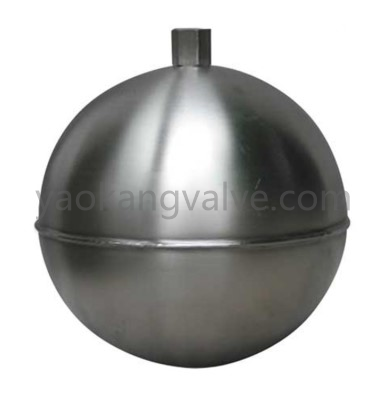
Industrial fluid control equipment often requires components that combine dependable movement with suitable resistance to moisture and corrosion. A Stainless Steel Float Ball is commonly considered for float valves, liquid storage systems, and other assemblies where buoyancy helps regulate liquid levels. Its suitability depends on material grade, structural design, dimensional accuracy, and compatibility with the operating environment. For OEM manufacturers and wholesale buyers, reviewing these factors early can help align component selection with equipment performance requirements.
Stainless steel is valued in many industrial applications because it can offer a useful balance of strength, durability, and corrosion resistance. However, not every grade performs identically under all conditions. The choice between grades such as SS304 and SS316 should be based on the composition of the working liquid, exposure conditions, cleaning procedures, and relevant service requirements. Buyers should avoid choosing a grade based only on its general reputation and instead confirm that it is appropriate for the intended application.
The geometry of the float is equally important. Diameter, wall thickness, roundness, and overall construction can influence buoyancy and movement within a valve assembly. If the dimensions do not match the equipment design, the component may move inconsistently or interfere with connected mechanisms. Manufacturers should define critical dimensions and acceptable tolerances before production. For custom applications, technical drawings or physical samples provide a practical reference for confirming the design.
Production methods should be selected according to the intended structure and performance expectations. Depending on the design, manufacturing may involve metal forming, welding, machining, and surface finishing. Process control helps maintain consistent dimensions and reduce unwanted variation. Where welding is involved, joint quality and structural integrity should be evaluated using inspection methods appropriate to the product. Surface finishing should also be considered because rough areas, residues, or defects may affect cleaning and long-term service in certain environments.
Application requirements vary considerably across industries. Float components may be integrated into water tanks, mechanical float valves, fluid regulation equipment, and other systems that respond to changing liquid levels. The component's movement must remain compatible with the valve mechanism and the available installation space. In applications involving aggressive liquids, unusual temperatures, or specific cleanliness requirements, material compatibility and design suitability deserve particular attention before procurement.
For equipment manufacturers, customized production can help accommodate different assembly designs. Possible customization factors include material grade, external diameter, wall thickness, surface treatment, and construction details. The available options depend on the supplier's manufacturing capabilities and the required product design. Buyers can improve quotation accuracy by sharing drawings, estimated order quantities, target delivery schedules, and information about the working environment. This also helps suppliers identify technical questions before production begins.
Quality control provides another basis for comparing potential suppliers. Depending on the design, inspection may cover dimensions, surface appearance, weld integrity, and leakage or structural tests where applicable. Buyers should clarify the inspection scope and acceptance criteria before placing a bulk order. For recurring orders, retaining approved samples and documented specifications can support consistency across production batches and simplify incoming inspection.
Commercial considerations should be assessed alongside technical factors. Wholesale buyers often need predictable lead times, stable production capacity, suitable packaging, and clear communication throughout the order process. A supplier that understands the intended application can help clarify customization requirements and identify relevant production considerations. Sample evaluation before mass production may also reduce procurement risk, especially when introducing a new component into an established valve assembly.
Choosing a Stainless Steel Float Ball requires a balanced review of corrosion resistance, buoyancy, dimensional compatibility, construction quality, and total purchasing requirements. The best specification is the one suited to the actual operating conditions, not simply the one with the highest material grade. Yongjia County Yaokang Technology Co., Ltd. supports buyers looking for float components for industrial valve applications. Visit https://www.yaokangvalve.com/product/ to review product information and discuss sourcing requirements.

 English
 French
 Spanish
 Portuguese
 Deutsch
 Turkish
 Dutch
 Italiano
 Russian
 Romaian
 Portuguese (Brazil)
 Greek