

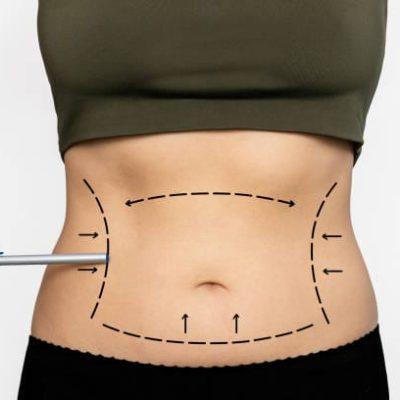
Can Liposuction Address Uneven Fat Distribution Between Both Sides of the Body?
Uneven fat distribution is a common concern for people who notice that one side of their body appears fuller than the other. Differences may be visible around the waist, hips, thighs, arms, or lower back. Even when someone maintains a stable weight and follows a regular fitness routine, certain fat deposits may remain more noticeable on one side. This can affect overall body proportions and make achieving a balanced silhouette challenging.
Liposuction in Dubai is a body contouring procedure that may help address selected areas of localised fat. However, treating uneven fat distribution requires careful assessment, as natural body asymmetry, skin quality, muscle structure, and individual anatomy can all influence the treatment approach.
Why Does Fat Distribution Differ Between Both Sides of the Body?
The human body is not perfectly symmetrical. Differences in fat storage can develop because of several biological and lifestyle-related factors.
Common contributing factors include:
-
Genetics: Inherited characteristics influence where the body tends to store excess fat.
-
Hormonal changes: Hormonal fluctuations can affect fat distribution in different body regions.
-
Age-related changes: Ageing may influence metabolism, skin elasticity, and the way fat is distributed.
-
Lifestyle habits: Differences in physical activity, posture, and daily movement may contribute to variations in body appearance.
-
Natural anatomy: Differences in muscle development, skeletal structure, and tissue distribution can create visible asymmetry.
It is important to understand that uneven fat distribution does not always indicate a weight-related problem. Sometimes, it is simply part of an individual's natural body structure.
Can Liposuction Correct Uneven Fat Distribution?
Liposuction may help improve the appearance of uneven fat distribution when the difference is primarily caused by localised excess fat. The procedure involves removing selected fat deposits through specialised techniques to create improved body contours.
For example, someone may have more noticeable fat around one side of the waist or hip. Following an appropriate medical assessment, a qualified surgeon may determine whether targeted fat removal could improve the overall balance of the area.
However, liposuction cannot guarantee perfectly symmetrical results. Every person's anatomy is different, and some natural differences may remain after treatment.
The objective is generally to improve body proportions rather than create identical measurements on both sides.
Which Body Areas Can Benefit From Targeted Liposuction?
Uneven fat deposits can appear in different areas of the body. Depending on individual suitability, liposuction may be considered for the following regions.
Waist and Flanks
Some individuals notice that one side of their waist has a more prominent fat deposit. Targeted fat removal may help improve the appearance of the waistline and create smoother body contours.
Hips
Uneven fat accumulation around the hips can affect the overall appearance of the lower body. Liposuction may help address localised fullness when the concern is related to excess subcutaneous fat.
Thighs
Fat distribution between the inner and outer thighs may differ naturally. A personalised treatment approach can help determine whether liposuction is suitable for improving the proportions of these areas.
Upper Arms
One upper arm may appear fuller than the other because of differences in fat distribution. Liposuction may be considered when excess localised fat is the main concern and skin elasticity is adequate.
Lower Back
Fat deposits around the lower back can sometimes appear uneven. Carefully planned contouring may help improve the transition between the waist and back.
How Does a Surgeon Evaluate Body Asymmetry Before Liposuction?
A detailed medical evaluation is essential before considering liposuction for uneven fat distribution. The surgeon needs to understand whether the difference is caused by excess fat or another anatomical factor.
The assessment may include:
1. Physical examination: Both sides of the body are examined to identify differences in fat deposits, proportions, and tissue structure.
2. Skin elasticity assessment: Skin quality is evaluated because its ability to contract after fat removal can influence the final contour.
3. Fat distribution analysis: The surgeon identifies the location and extent of localised fat deposits.
4. Medical history review: Previous procedures, medical conditions, medications, and weight fluctuations are considered when evaluating suitability.
5. Treatment planning: The surgeon determines whether targeted fat removal is appropriate and discusses realistic expectations.
These steps help reduce the risk of removing too much or too little fat from particular areas.
What Factors Influence Liposuction Results?
Several factors can affect how the body responds to liposuction and how balanced the final contours appear.
-
Skin elasticity: Good skin elasticity can support a smoother appearance after fat removal.
-
Amount of fat removed: Excessive removal can create irregularities or make asymmetry more noticeable.
-
Body anatomy: Natural differences in muscles, bones, and tissue structure influence the final appearance.
-
Healing response: Swelling and recovery can vary between different areas of the body.
-
Weight stability: Maintaining a relatively stable weight can help preserve long-term contour improvements.
Patients should also understand that liposuction is not a weight-loss treatment. It is designed to address selected areas of stubborn fat rather than replace healthy lifestyle habits.
What Should Patients Expect During Recovery?
Recovery after liposuction varies depending on the treated areas, surgical technique, and individual healing response.
Temporary swelling, bruising, tenderness, and discomfort are common during the initial recovery period. Compression garments may be recommended to support the treated areas and help manage swelling.
When treating uneven fat distribution, patients should remember that both sides may not heal at exactly the same rate. One area may appear more swollen or defined than the other during the early stages of recovery.
Following post-operative instructions, attending follow-up appointments, and allowing sufficient healing time are important for evaluating the final results.
Is Liposuction Suitable for Everyone With Uneven Fat Distribution?
No. Liposuction is not appropriate for every type of body asymmetry. If the difference is caused by muscle structure, skeletal variations, loose skin, or certain medical conditions, fat removal may not address the underlying concern.
Suitable candidates generally have localised fat deposits, relatively stable body weight, reasonable skin elasticity, and realistic expectations.
A medical consultation is necessary to identify the cause of asymmetry and determine whether surgery is an appropriate option.
Personalised Liposuction Assessment at Tajmeels Clinic
At tajmeels clinic dubai, patients considering liposuction in Dubai can discuss their body contouring concerns and individual expectations during a professional consultation. An appropriate assessment considers fat distribution, skin condition, body proportions, medical history, and treatment suitability.
For individuals concerned about uneven fat deposits, personalised planning is particularly important. The goal is to understand the source of the asymmetry and determine whether targeted liposuction may help improve overall body contours. Patients can also discuss the procedure, expected recovery, possible limitations, and realistic outcomes before making a treatment decision.
Final Thoughts
Uneven fat distribution between both sides of the body can affect overall body proportions, even when weight remains stable. Liposuction may help improve selected areas when excess localised fat is responsible for the difference. However, successful contouring depends on accurate assessment, appropriate treatment planning, and realistic expectations. Consulting a qualified surgeon is the best way to understand whether liposuction can address individual concerns safely and effectively.
More Information
Tajmeels Clinic Dubai
WhatsApp: +971 56 203 8751
Phone: tel:+971 43739000
Social Media:


