


How Many Boxes Does the Average Home Need?
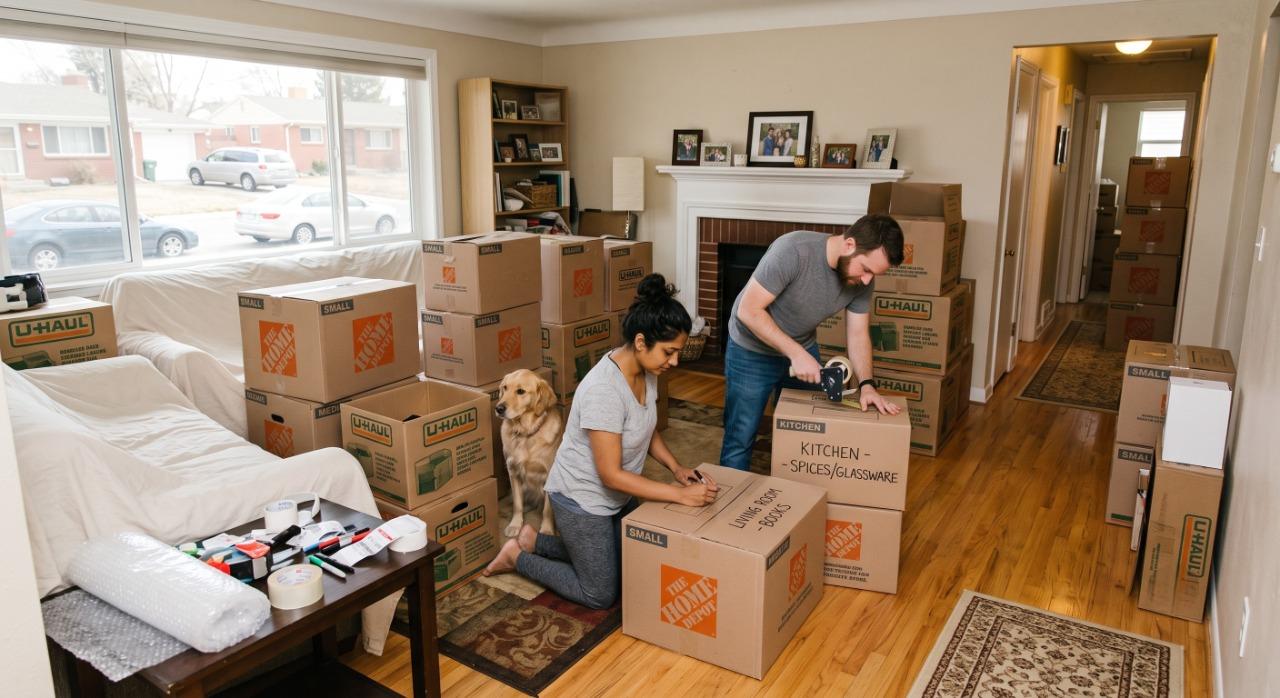
One of the biggest questions people ask before moving is, "How many boxes does the average home need?" Buying too few boxes can delay your move, while purchasing too many wastes money and storage space. The right number depends on your home's size, the number of occupants, and how much you own.
A moving box calculator is one of the easiest ways to estimate the number of boxes you'll need before packing begins. It considers factors such as home size, furniture, and household items to provide a more accurate estimate.
If you're looking for trusted movers and helpful moving resources, My Good Movers is a moving directory that helps you compare professional moving companies across the United States. Instead of hiring the first mover you find, you can browse verified moving companies, compare services, and choose the best option for your relocation.
In this guide, you'll learn how many boxes different homes typically require, what factors affect your estimate, and how using a moving box calculator can simplify your move.
Why Estimating Moving Boxes Matters
Many people underestimate the number of boxes they'll need. During packing, they often end up making multiple trips to buy more supplies or overpaying for boxes they'll never use.
Proper planning helps you:
- Stay within your moving budget
- Pack more efficiently
- Prevent last-minute shopping trips
- Reduce moving day stress
- Protect fragile belongings
Using a reliable moving box calculator gives you a realistic estimate before you start packing.
Average Number of Boxes by Home Size
Although every household is different, these estimates work well for most moves.
| Home Size | Estimated Boxes Needed |
|---|---|
| Studio Apartment | 20–30 boxes |
| 1 Bedroom | 30–40 boxes |
| 2 Bedroom | 40–60 boxes |
| 3 Bedroom | 60–80 boxes |
| 4 Bedroom | 80–120 boxes |
| 5+ Bedroom | 120–180+ boxes |
These estimates assume an average amount of furniture and household belongings.
If you've lived in your home for many years or collect books, decorations, or seasonal items, you may need significantly more boxes.
How Many Small, Medium, and Large Boxes Should You Buy?
A balanced mix usually works best.
For an average three-bedroom home:
- 30–35 Small Boxes
- 25–30 Medium Boxes
- 10–15 Large Boxes
- 5–10 Wardrobe Boxes
- Specialty boxes for TVs, mirrors, artwork, or dishes
Avoid packing heavy items into large boxes because they become difficult to lift.
Factors That Affect the Number of Boxes You Need
Several factors influence your total box count.
1. Length of Time You've Lived There
The longer you've lived in one home, the more belongings you've probably accumulated.
Someone moving after two years may need half as many boxes as someone moving after twenty years.
2. Family Size
A family of five naturally owns more clothing, toys, furniture, and personal items than someone living alone.
Each additional family member usually requires another 10–20 boxes.
3. Your Lifestyle
Minimalists often require fewer boxes.
Collectors may need dozens more.
Items that increase box count include:
- Books
- Shoes
- Holiday decorations
- Sports equipment
- Kitchen gadgets
- Craft supplies
4. Storage Areas
Don't forget areas like:
- Garage
- Basement
- Attic
- Outdoor shed
These spaces often contain more items than expected.
5. Seasonal Items
Winter clothing, camping equipment, Halloween decorations, and Christmas decorations can add another 10–30 boxes to your move.
Using a Moving Box Calculator
A moving box calculator asks questions such as:
- Number of bedrooms
- Number of occupants
- Home size
- Storage areas
- Special items
- Large furniture
Based on your answers, it estimates:
- Total boxes needed
- Recommended box sizes
- Packing supplies
- Estimated packing materials
This prevents both overbuying and underbuying.
Many movers also use these estimates when preparing moving quotes.
How Many Boxes Does Each Room Usually Need?
Kitchen
Usually requires:
- 10–20 boxes
The kitchen often takes the longest because of dishes, glassware, appliances, pantry items, and cookware.
Living Room
Usually requires:
- 8–15 boxes
Decorations, electronics, books, and lamps add up quickly.
Master Bedroom
Usually requires:
- 10–15 boxes
Clothing, shoes, bedding, and personal belongings make this one of the largest packing jobs.
Children's Bedroom
Usually requires:
- 8–12 boxes
Toys, clothing, books, and games increase packing needs.
Bathroom
Usually requires:
- 2–5 boxes
Mostly toiletries, towels, and cleaning supplies.
Garage
Usually requires:
- 10–30 boxes
Tools, gardening supplies, sports equipment, and storage bins often surprise homeowners with their volume.
Packing Tips to Reduce the Number of Boxes
Using fewer boxes can save money on packing supplies and may even reduce moving costs. Here are some practical ways to pack more efficiently:
Declutter Before You Pack
Moving is the perfect opportunity to get rid of items you no longer need.
Consider donating or selling:
- Old clothes
- Broken electronics
- Unused kitchen appliances
- Worn-out furniture
- Old books and magazines
- Duplicate household items
The fewer belongings you move, the fewer boxes you'll need.
Use Storage Bins You Already Own
Instead of purchasing new boxes, pack items in:
- Plastic storage containers
- Suitcases
- Laundry baskets
- Duffel bags
- Rolling luggage
- Tote bins
These containers are sturdy and can reduce the number of cardboard boxes required.
Pack Heavy Items in Small Boxes
Books, tools, canned food, and other heavy belongings should always go into small boxes. This makes them easier to carry and prevents boxes from breaking during transport.
Use Large Boxes Only for Lightweight Items
Reserve large boxes for:
- Pillows
- Blankets
- Towels
- Bedding
- Lampshades
- Stuffed toys
Keeping heavy and light items separated helps protect your belongings and makes loading the moving truck much safer.
Essential Packing Supplies
Besides boxes, you'll need several other packing materials to protect your belongings.
Your packing checklist should include:
- Packing tape
- Bubble wrap
- Packing paper
- Stretch wrap
- Permanent markers
- Box labels
- Furniture blankets
- Mattress bags
- Zip ties
- Plastic bags for hardware
Having these supplies ready before packing begins will make the process much smoother.
Common Mistakes When Estimating Boxes
Many people make the same mistakes when preparing for a move. Avoid these common errors:
Underestimating Closet Space
Closets often hold more than just clothing. Shoes, storage bins, seasonal decorations, luggage, and accessories all require additional boxes.
Forgetting the Garage or Attic
Garages, sheds, basements, and attics are frequently overlooked until the last minute. These areas often contain bulky or oddly shaped items that require extra packing materials.
Buying Only One Box Size
Using a variety of box sizes allows you to pack efficiently and safely. Small, medium, and large boxes each have specific purposes.
Waiting Until the Last Minute
Leaving box shopping until moving week can limit your options and increase costs. Buying or ordering supplies early helps you stay organised.
Should You Buy Extra Boxes?
Yes. It's generally a good idea to purchase 10–15% more boxes than your initial estimate.
Extra boxes are useful for:
- Last-minute packing
- Fragile items
- Unexpected belongings
- Keeping important documents separate
- Organising miscellaneous household items
Unused boxes can often be returned if they remain in good condition.
How My Good Movers Can Help
Planning a move involves much more than estimating boxes. Finding a reliable moving company is equally important.
My Good Movers is a comprehensive moving directory that connects homeowners and renters with trusted moving companies across the United States. Instead of spending hours searching online, you can compare professional movers, explore available services, and request quotes from companies that fit your needs.
Whether you're planning a local move, a long-distance relocation, or a cross-country move, My Good Movers helps simplify the process by making it easier to find reputable movers in one convenient place. Pairing a moving box calculator with the resources available through My Good Movers helps you prepare more accurately and avoid common moving challenges.
Final Thoughts
Estimating how many boxes you'll need doesn't have to be difficult. While every household is unique, the average home typically requires anywhere from 20 boxes for a studio apartment to over 180 boxes for a large family home. Factors such as the size of your home, the number of occupants, storage areas, and the amount of personal belongings all play a role.
A reliable moving box calculator provides a solid estimate, helping you purchase the right amount of packing supplies and avoid unnecessary expenses. Combined with careful planning and smart packing strategies, you'll be well-prepared for moving day.
If you're also searching for dependable movers, My Good Movers offers a convenient directory where you can compare trusted moving companies, explore services, and make informed decisions for a smoother relocation experience.
Frequently Asked Questions (FAQs)
How many boxes does the average three-bedroom house need?
Most three-bedroom homes require between 60 and 80 moving boxes, depending on the amount of furniture and personal belongings.
Is a moving box calculator accurate?
Yes. A moving box calculator provides a reliable estimate based on factors such as home size, number of rooms, and household inventory. It offers a much better estimate than guessing.
What size boxes should I buy?
A mix of small, medium, and large boxes works best. Small boxes are ideal for heavy items, while larger boxes should be used for lightweight belongings like bedding and pillows.
Should I buy extra moving boxes?
Yes. Purchasing about 10–15% more boxes than your estimated requirement helps cover unexpected packing needs.

 English
 Arabic
 French
 Spanish
 Portuguese
 Deutsch
 Turkish
 Italiano
 Russian
 Romaian
 Portuguese (Brazil)
 Greek
Greek