


Thermoplastic Welding Rods and Sheets: A Complete Guide to Industrial Applications and Material Selection
Introduction
In modern industries, choosing the right materials is essential for building reliable, durable, and cost-effective systems. From chemical processing plants to water treatment facilities, manufacturers need materials that can withstand demanding operating conditions while maintaining performance over time. Thermoplastics have become an important solution for many industrial applications because of their chemical resistance, lightweight structure, and versatility. Among the most useful products in this category are thermoplastic welding rods and sheets.
These materials play an important role in the fabrication of plastic tanks, chemical storage units, industrial pipelines, ventilation systems, and customized equipment. When selected correctly and processed by skilled professionals, thermoplastic materials can help create strong, dependable structures suitable for a wide range of industrial environments.
Businesses involved in industrial fabrication must understand the differences between thermoplastic materials, their applications, and the importance of selecting compatible welding consumables. Choosing the right welding rod and sheet combination can influence the strength, appearance, and service life of a finished product.
This article explores the different types of thermoplastic welding rods and sheets, their benefits, common applications, and the factors businesses should consider when selecting these materials.
Understanding Thermoplastic Welding Rods and Sheets
Thermoplastics are materials that soften when heated and become solid again when cooled. This characteristic makes them suitable for several fabrication processes, including thermal welding, forming, and shaping.
Thermoplastic sheets are flat plastic panels available in different thicknesses, dimensions, and material grades. Depending on the polymer used, these sheets can offer resistance to moisture, chemicals, corrosion, and other environmental factors.
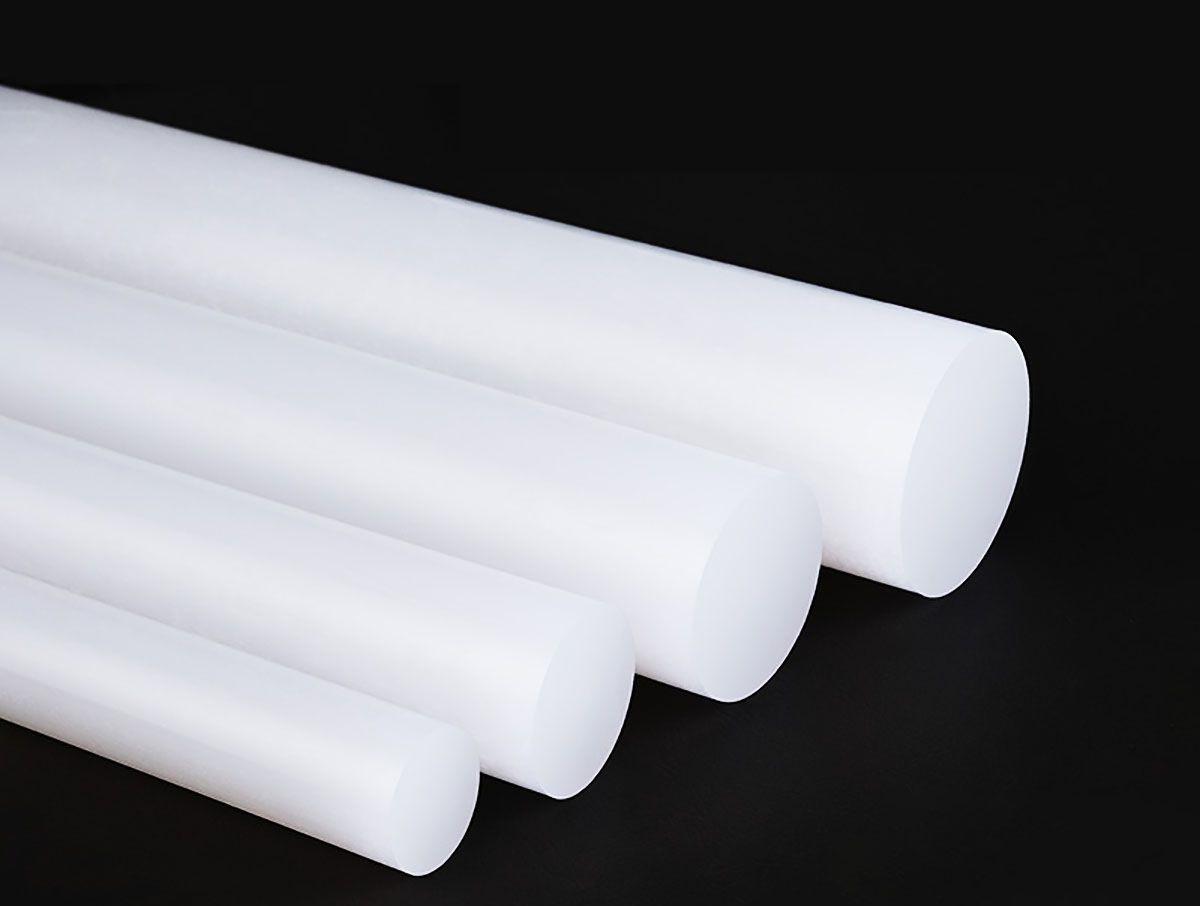
Welding rods are filler materials used to join compatible thermoplastic components. During the welding process, heat softens the surfaces of the components and the welding rod, allowing them to fuse together. Once the joint cools under appropriate conditions, the welded structure forms a continuous connection.
However, successful welding requires more than simply applying heat. The base material, welding rod, temperature, welding technique, and surface preparation must all be compatible.
When these factors are properly controlled, thermoplastic welding can produce strong joints suitable for industrial fabrication.
Different Types of Thermoplastic Welding Rods and Sheets
Different industries require different material properties. Understanding the available thermoplastics helps engineers, fabricators, and procurement teams select suitable products for their projects.
1. Polypropylene (PP)
Polypropylene is widely used in industrial environments because of its chemical resistance, low weight, and versatility. It is commonly considered for applications involving water, many acids, alkalis, and other compatible chemicals.
PP sheets are used to fabricate storage tanks, process vessels, ducting systems, scrubbers, and industrial equipment. Polypropylene welding rods are used to join compatible PP components during fabrication and repair.
One of the major advantages of polypropylene is its ability to support customized fabrication. Components can be manufactured according to project requirements, making the material useful for facilities with specialized equipment needs.
Nevertheless, chemical compatibility must always be verified for the specific chemical, concentration, temperature, and operating conditions involved.
2. Polyvinylidene Fluoride (PVDF)
PVDF is a high-performance thermoplastic valued for its chemical resistance, thermal performance, and durability in demanding industrial environments.
It is frequently considered for applications involving aggressive chemicals and processes where material reliability is particularly important. PVDF sheets can be fabricated into chemical-handling equipment, tanks, ducts, and specialized industrial components.
Compatible PVDF welding rods help join PVDF sheets and other suitable PVDF components. Correct material selection and controlled welding procedures are essential to achieve dependable joints.
Although PVDF can offer excellent performance, its initial material cost may be higher than that of several conventional thermoplastics. Businesses should therefore evaluate the complete application requirements rather than selecting materials on price alone.
3. Chlorinated Polyvinyl Chloride (CPVC)
CPVC is another important thermoplastic used in industrial systems. It is known for its useful chemical resistance and ability to operate at higher temperatures than standard PVC in many applications.
CPVC products are used in selected chemical-processing systems, industrial piping arrangements, and specialized fabrication projects.
When CPVC sheets and welding rods are required, compatibility between the base material and filler material is essential. Fabricators must also follow the appropriate procedures for the specific CPVC grade and application.
Because material performance varies with temperature, chemical exposure, pressure, and fabrication method, engineers should verify the manufacturer's technical specifications before finalizing a design.
4. High-Density Polyethylene (HDPE)
HDPE is valued for its toughness, impact resistance, and resistance to moisture. It is commonly used in water management, chemical storage, wastewater treatment, and industrial containment applications.
HDPE sheets are suitable for manufacturing tanks, liners, protective components, and customized fabricated structures. Compatible welding rods can be used in suitable fabrication processes to create joints between HDPE components.
The material's flexibility and durability make it useful in applications where resistance to physical wear and environmental exposure is important.
As with other thermoplastics, the correct welding method and material grade should be selected according to the intended service conditions.
Why Are Thermoplastic Welding Rods and Sheets Important?
Thermoplastic welding rods and sheets are important because they allow manufacturers to create customized equipment without relying entirely on heavy metal components or expensive prefabricated structures.
Their value becomes especially clear in industrial facilities where equipment must handle chemicals, water, wastewater, or corrosive substances.
Excellent Chemical Resistance
Many thermoplastic materials can withstand exposure to specific acids, alkalis, and industrial chemicals. This makes them useful for chemical storage tanks, processing equipment, and wastewater treatment installations.
However, chemical resistance differs between materials. Engineers should check compatibility charts and technical documentation before choosing a particular grade.
Lightweight and Easy to Handle
Compared with many metal alternatives, thermoplastic sheets and rods are lightweight. This can simplify transportation, handling, cutting, and installation.
For industrial projects involving large tanks, ducts, and customized equipment, the lower material weight can also make fabrication and installation more convenient.
Corrosion Resistance
Metal components may corrode when exposed to moisture or aggressive chemicals, depending on the metal and operating environment. Suitable thermoplastics offer an alternative because they do not undergo conventional metallic corrosion.
This property makes them particularly useful in chemical processing plants, water treatment facilities, and wastewater management systems.
Flexible Fabrication Options
Thermoplastic sheets can be cut, shaped, and welded into customized products. Welding rods help join compatible components, allowing fabricators to manufacture tanks, enclosures, ducts, and other equipment according to project drawings.
These fabrication options are useful when standard off-the-shelf products cannot meet a facility's specific requirements.
Potentially Lower Maintenance Requirements
When the correct material is selected and the equipment is properly designed, thermoplastic components can provide long service life with manageable maintenance requirements.
Resistance to corrosion and certain chemicals may reduce the need for frequent repairs or protective coatings.
Nevertheless, the actual maintenance schedule depends on the operating environment, mechanical loads, temperature, and quality of fabrication.
Common Industrial Applications of Thermoplastic Welding Rods and Sheets
Thermoplastic materials are used across many sectors because different polymers can meet different operational requirements.
1. Water and Wastewater Treatment Plants
Water treatment facilities require equipment capable of handling water, treatment chemicals, and wastewater under changing operating conditions.
Thermoplastic sheets and welding rods are used to fabricate chemical storage tanks, dosing equipment, ducts, covers, and selected process components.
Materials such as PP, HDPE, and PVDF may be considered depending on the application. Their suitability depends on the chemicals involved, operating temperature, pressure, and structural requirements.
Well-designed thermoplastic equipment can help treatment plants maintain reliable operations while limiting problems associated with metallic corrosion.
2. Chemical Processing Industries
Chemical manufacturing facilities often handle aggressive substances that can damage unsuitable construction materials.
Thermoplastic sheets are used to fabricate storage vessels, chemical containment equipment, scrubbers, and ventilation components. Welding rods made from compatible materials help join these components during manufacturing.
PVDF, PPH, and CPVC are among the materials considered for particular chemical-processing applications.
The final selection should always be based on the exact chemical composition, concentration, temperature, and exposure duration.
3. Pharmaceutical and Laboratory Facilities
Laboratories and selected pharmaceutical applications may require materials that offer chemical resistance, cleanliness, and consistent performance.
Depending on the process, thermoplastic materials can be used in selected tanks, ducts, equipment housings, and fluid-handling components.
PVDF may be suitable for certain high-purity applications because of its material properties. However, not every thermoplastic is suitable for every pharmaceutical process.
Businesses should verify applicable hygiene requirements, regulatory standards, and material certifications before specifying products for critical applications.
4. Industrial Storage Tanks and Vessels
Storage tanks are essential for handling process water, chemicals, and other industrial fluids.
Thermoplastic sheets can be fabricated into tanks of different sizes and configurations. Welding rods are used to create compatible joints between panels and other components.
The finished structure must be designed according to the fluid being stored, tank dimensions, temperature, hydrostatic loads, and installation environment.
Proper welding and inspection are especially important because defective joints may cause leakage, equipment damage, or operational interruptions.
5. Industrial Ventilation and Scrubber Systems
Industrial facilities may need ventilation systems that manage chemical fumes and contaminated air.
Thermoplastic sheets are commonly considered for selected ducts, fume extraction systems, scrubbers, and ventilation housings.
Materials with suitable chemical resistance can help these systems operate in challenging environments. Welding rods allow fabricators to create joints and customized sections suited to the installation.
The selected material must match the chemicals present in the air stream, operating temperature, and mechanical demands of the system.
How to Choose the Right Thermoplastic Welding Rods and Sheets
Selecting suitable materials is one of the most important steps in any fabrication project. A low purchase price does not necessarily mean a lower overall cost if the material cannot withstand the operating environment.
Here are several factors worth considering.
Identify the Base Material
The welding rod should be compatible with the thermoplastic sheet or component being joined.
For example, PP welding rods are generally selected for compatible PP components, while PVDF welding rods are used with suitable PVDF materials.
Using incompatible polymers can result in weak joints or inconsistent welding performance. Confirm the exact polymer grade and manufacturer's recommendations before placing an order.
Consider Chemical Exposure
Prepare a list of the chemicals the equipment will encounter, including their concentrations and operating temperatures.
A material that performs well with one chemical may not be suitable for another. Mixtures can also behave differently from individual substances.
Consult the manufacturer's chemical compatibility information before finalizing the material specification.
Evaluate Operating Temperature
Temperature affects the mechanical properties and service life of thermoplastics.
Some materials maintain useful properties at elevated temperatures, while others may soften or lose strength under similar conditions.
Consider both normal operating temperature and any temporary temperature changes that may occur during cleaning, processing, or maintenance.
Check Sheet Thickness and Dimensions
Sheet thickness should be selected according to the design, size of the component, loading conditions, and fabrication method.
Thicker sheets may be necessary for certain structural applications, but thickness alone does not guarantee a safe or durable design.
It is also important to confirm the availability of the required sheet dimensions, rod diameters, and material grades.
Consider Welding Requirements
Different thermoplastics may require specific welding techniques, equipment settings, and preparation procedures.
Hot-gas welding and extrusion welding are common techniques used for suitable thermoplastic fabrication applications.
The correct procedure depends on the material, joint design, component thickness, and application requirements. Qualified fabricators should follow appropriate welding guidelines and inspect finished joints.
Work With a Reliable Supplier
A dependable supplier can help businesses identify suitable materials, confirm product specifications, and obtain the quantities needed for a project.
Before purchasing, check the availability of technical data sheets, material identification, relevant certifications, and information about product dimensions.
For industrial buyers, consistent product quality and dependable supply can help simplify procurement and project planning.
Best Practices for Thermoplastic Welding and Fabrication
Even high-quality materials can perform poorly when fabrication is not carried out correctly. Following established procedures helps improve the quality and reliability of finished components.
Prepare the surfaces properly. Surfaces should be clean and prepared according to the recommended welding procedure. Dirt, oil, moisture, and other contaminants can interfere with joint formation.
Use compatible welding consumables. Confirm that the welding rod matches the base material. Material compatibility is fundamental to achieving a reliable joint.
Control welding conditions. Temperature, welding speed, pressure where applicable, and other process parameters should follow the requirements for the specific polymer and welding method.
Employ trained personnel. Experienced fabricators understand the importance of joint preparation, equipment settings, and consistent welding techniques.
Inspect completed joints. Visual inspection and other suitable testing methods can help identify defects. Depending on the application, additional testing may be necessary to verify structural integrity or leak resistance.
Maintain traceability. Recording material grades, welding procedures, inspection results, and relevant production details can make future maintenance and troubleshooting easier.
These practices are particularly important for equipment that handles hazardous chemicals, operates under pressure, or supports essential industrial processes.
Thermoplastic Welding Rods and Sheets: A Practical Investment for Industry
Industrial businesses must balance material costs, equipment reliability, maintenance requirements, and long-term operating expenses.
Thermoplastic welding rods and sheets can contribute to this balance when the selected materials are appropriate for the application. Their chemical resistance, lightweight construction, and fabrication flexibility make them valuable in many industrial environments.
For example, a wastewater treatment facility may require customized chemical tanks and ducts, while a chemical plant may need specialized components for handling corrosive fluids. In both cases, suitable thermoplastic materials can provide practical alternatives to conventional construction materials.
The key is to select products based on engineering requirements rather than relying on general material descriptions alone.
Businesses should also consider fabrication quality, installation conditions, inspection requirements, and expected service life when comparing material options.
Conclusion
Thermoplastic welding rods and sheets have become valuable materials for industrial fabrication because they combine versatility with properties such as chemical resistance, low weight, and corrosion resistance.
From water treatment plants and chemical processing facilities to industrial storage tanks and ventilation systems, these materials support the production of customized components for demanding applications.
However, achieving dependable results requires careful material selection, compatible welding consumables, proper surface preparation, controlled fabrication procedures, and thorough inspection.

 English
 Arabic
 French
 Spanish
 Portuguese
 Deutsch
 Turkish
 Dutch
 Russian
 Romaian
 Portuguese (Brazil)
 Greek