

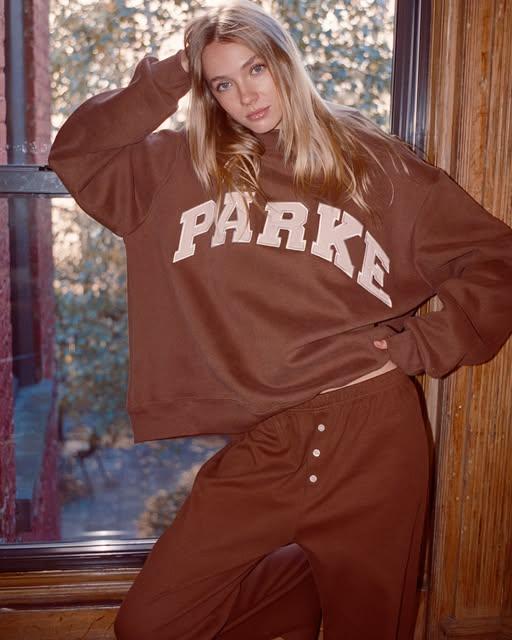
Fleece is a soft, brushed fabric with a fuzzy surface that feels warm the moment it touches your skin. It began as a way to copy the cozy feel of wool, and now it sits inside some of the most loved sweatshirts around. A Parke Sweatshirt NYC piece is a relaxed top from a brand inspired by New York street style, with clean graphics and a loose, roomy shape.
Many people notice that this sweatshirt feels warmer than other tops of the same weight. That feeling is real, and it has clear reasons behind it. This article explains how fleece works, why it feels so warm inside a Parke sweatshirt, and how to get the most heat out of it on cold days.
What Is Fleece?
Fleece is a fabric with two different sides. The outside parke sweatshirt is smooth and flat, while the inside is brushed so that thousands of tiny fibers stand up like a soft carpet. Makers pass the fabric over rollers covered in fine wire, and these rollers pull the fibers upward and loosen them.
That brushing step is what gives fleece its character. Without it, the fabric would feel thin and flat, much like a regular cotton tee. With it, the inside becomes thick, fluffy, and gentle against the skin.
Fleece also comes in different weights. Light versions suit mild weather, while heavy ones are for real winter days. Sweatshirts usually sit in the middle, which is one reason they work across so many months.
What Is a Parke Sweatshirt NYC Piece?
Parke creates clothing for people who like a calm, laid-back look. Its sweatshirts draw ideas from New York, from brick walls and subway platforms to quiet neighborhood corners. The graphics stay small and clean, so the sweatshirt never feels loud or crowded.
The shape is just as important as the print. Shoulders drop slightly, the body hangs loose, and the sleeves have a relaxed length. Inside, a soft fleece lining does the real work of keeping the cold away. Each part of the sweatshirt supports the others, and that balance is what makes the warmth feel so natural.
The Science Behind Fleece Warmth
Here is the key idea: fabric does not create heat, your body does. A good warm layer simply slows down the heat as it tries to escape. The best way to slow it down is to trap a thin layer of still air close to your skin.
Air is a poor carrier of heat, which makes it a great insulator when it stays still. Those brushed fibers inside the fleece create thousands of tiny gaps. Each gap https://parkeus.com/ holds a small pocket of air, and together they form a warm cushion around your body.
Think of it like a thick winter blanket. The blanket itself is not hot. It just keeps your body heat from drifting away, and the fleece in your sweatshirt works the same way.
Why Fleece Feels Warm So Quickly
Some fabrics feel cold when you first put them on, and it takes a few minutes before they warm up. Fleece rarely does this. The soft fibers touch your skin or your shirt in very small points, so they pull very little heat away from you at the start.
Smooth fabrics behave differently. They press flat against the skin, and the contact surface is much larger. More contact means more heat leaves your body, and you feel that as a chill.
This is why a Parke sweatshirt feels warm almost right away. You slip it on, the fibers settle against you, and the cozy feeling begins within seconds.
How the Brushed Lining Holds Heat
The lining of a Parke sweatshirt is thick and evenly brushed. Even brushing matters because uneven fabric leaves thin patches where heat can escape. When the pile stands tall and consistent, it keeps a steady layer of air across your chest, back, and arms.
The cotton blend on the outside also plays a part. It gives the sweatshirt body and weight, which helps the fleece hold its shape. A flimsy outer fabric would let the fibers press flat, and flattened fibers trap far less air.
Together, the two layers work as a team. The outside keeps the structure, while the inside holds the warmth. You get a top that feels soft yet stays firm enough to keep its form through a long day.
How the Loose Cut Adds Warmth
Most people think of tight clothing as warm, but the opposite is often true. A loose sweatshirt leaves a small gap between the fabric and your body, and that gap fills with warm air. This extra pocket acts like a second layer of insulation.
The relaxed shape of a Parke sweatshirt takes advantage of this. The roomy body and dropped shoulders let air gather around you instead of pressing against you. You also get room for a thin tee underneath, which adds one more layer of trapped heat.
There is a balance, of course. If a sweatshirt is far too large, warm air slips out through the collar and cuffs. Parke keeps its shape relaxed but controlled, so the warmth stays where you need it.
Fleece Compared With Other Sweatshirt Linings
Not every sweatshirt has a brushed inside. Some use a looped fabric that feels smooth and slightly textured, often called French terry. These work well in spring and early fall, but they trap less air because the loops lie flat.
Fleece wins on cold days for a clear reason. Its raised fibers create much more space for air, and more air means better insulation. The difference becomes obvious the first time you step outside on a windy morning in November.
That said, fleece is not always the right call. On a mild afternoon, it can feel too warm. This is why many people keep both kinds in their closet and pick one based on the weather.
Where Fleece Needs a Little Help
Fleece is excellent at holding warm air, but it has two weak spots. The first is wind. A strong breeze can push through the fabric and carry the trapped air away, which makes you feel cold fast.
The second is dampness. When fleece gets wet, the fibers clump together and lose their fluffy structure. The air pockets shrink, and the warmth drops with them.
The fix is easy to remember. On windy or rainy days, wear a coat, a shell jacket, or a trench over your sweatshirt. The outer layer blocks the wind and the rain, while the fleece keeps doing what it does best.
Keeping Your Fleece Soft and Warm
Good care keeps the lining fluffy for many seasons. Turn the sweatshirt inside out before washing, and use cold water on a gentle cycle. Rough washing flattens the fibers, and flat fibers cannot trap air well.
Skip fabric softener, even though it sounds helpful. It leaves a thin coating on the fibers, which makes them clump and lose their lift over time. Plain detergent in a small amount works much better.
Let the sweatshirt air dry flat, or tumble it on low heat. High heat can damage the pile and leave the inside rough. If the fleece ever feels a bit squashed, a gentle shake while it dries helps the fibers stand up again.
Wearing Your Parke Sweatshirt in a New York Winter
New York winters mix sharp wind, damp air, and long walks between stops. A Parke sweatshirt handles the first part well when you wear it under a wool coat. The coat blocks the wind, and the fleece keeps your core warm.
On a milder day, wear it alone with straight jeans and clean sneakers. Add a scarf if the air feels sharp, since the neck loses heat quickly. A beanie and thick socks complete the look without adding much bulk.
Indoors, the sweatshirt still works well. Heated rooms can feel dry and uneven, and a fleece layer lets you stay relaxed without overheating. If it gets too warm, you can simply push up the sleeves.
Keep the Warmth Going
Fleece feels warmer in a Parke Sweatshirt NYC piece because every part of it works together. The brushed fibers trap air, the loose cut adds a second pocket of warmth, and the sturdy outer fabric keeps everything in shape. It is a quiet kind of warmth that you notice the moment you put it on.
If you want to feel the difference yourself, wear one on the next cold morning and pay attention to how quickly it settles around you. Then add a coat on a windy day and notice how much longer the warmth lasts. Treat the fleece gently, and it will stay soft for many winters.
Frequently Asked Questions
Why does fleece feel warmer than regular cotton?
Fleece has raised, brushed fibers that trap many tiny pockets of air. Air slows down heat loss, so your body warmth stays close to you instead of escaping.
Is a Parke Sweatshirt NYC piece warm enough for winter?
Yes, with the right outer layer. The fleece lining handles cold air well, and a wool coat or jacket over it blocks wind on the coldest days.
Will the fleece inside my sweatshirt lose its softness?
It can if you wash it harshly. Use cold water, a gentle cycle, and no fabric softener, and the fibers will keep their lift for a long time.
Should I size up to get more warmth?
A little extra room helps because it lets warm air gather around you. Going too large can let heat escape through the collar and cuffs, so stay with a relaxed shape rather than a huge one.
Can I wear a fleece sweatshirt when the weather is mild?
You can, though you may feel warm in the afternoon. A thin tee underneath lets you pull the sweatshirt off or push up the sleeves when the temperature rises.


