


Peyronie’s Disease in Men: Understanding Penile Curvature and Modern Treatment Options
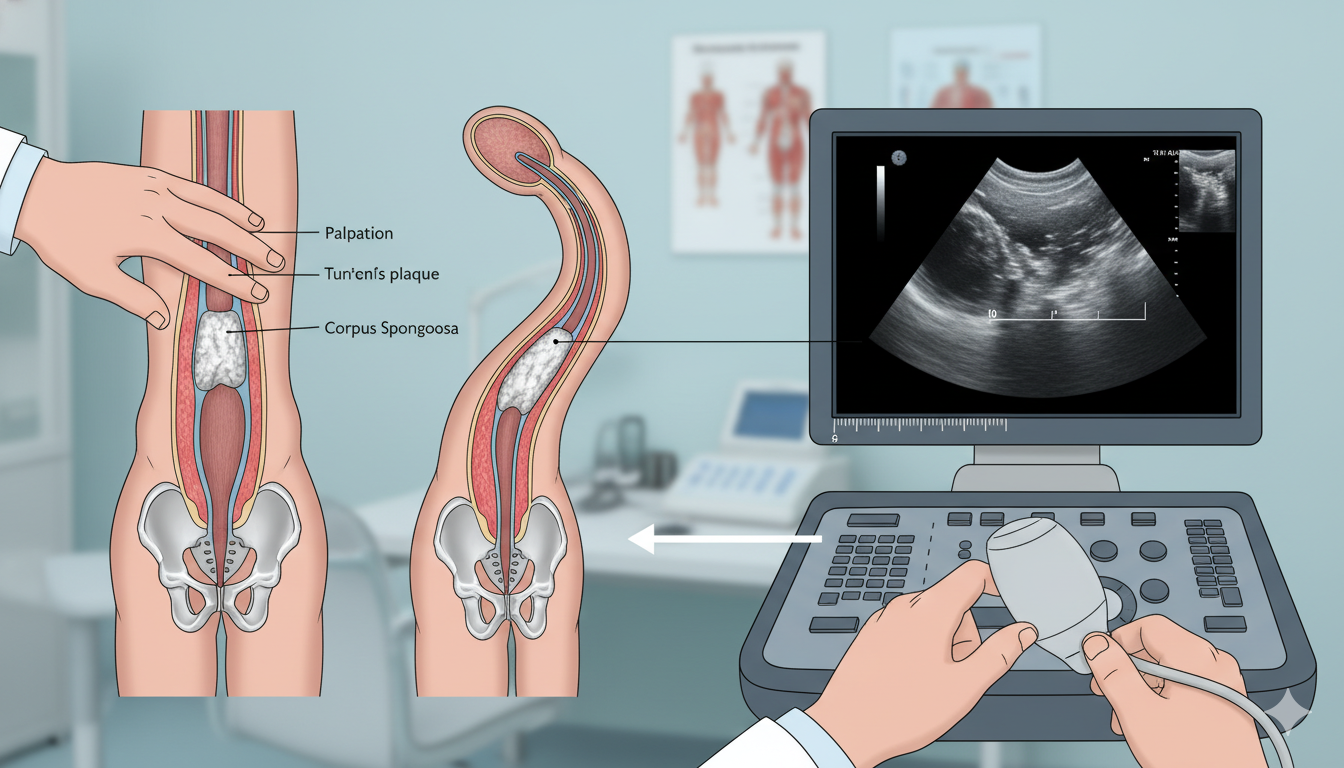
Peyronie’s disease is a condition that affects the structure of the penis and may cause abnormal curvature during an erection. It develops when fibrous scar tissue forms inside the penis, preventing the affected area from expanding normally. Depending on the severity, men may experience discomfort, changes in penile shape, reduced erection quality, or difficulties with sexual intercourse.
For many men, the physical changes associated with Peyronie’s disease can also affect confidence, relationships, and emotional well-being. However, the condition is medically recognized, and several management options are available to help address its symptoms.
Understanding the causes, warning signs, diagnostic process, and available treatments can help men make informed decisions about their health.
What Happens Inside the Penis in Peyronie’s Disease?
The penis contains erectile tissues that fill with blood during sexual arousal. These tissues are surrounded by a strong, elastic covering called the tunica albuginea, which helps the penis become firm during an erection.
In Peyronie’s disease, scar tissue develops within this covering. Unlike healthy tissue, the scarred area does not stretch normally. When the penis becomes erect, the unaffected side may expand more than the affected side, producing a bend or curve.
The condition may also cause indentations, narrowing, an hourglass appearance, or a reduction in erect penile length.
The degree of curvature differs between individuals. Some men have a mild bend that does not interfere with sexual activity, while others experience substantial deformity or pain.
Early Signs and Symptoms of Peyronie’s Disease
Recognizing the symptoms can help men seek appropriate medical advice before the condition significantly affects their quality of life.
Changes in Penile Shape
A new curve during an erection is one of the most recognizable signs. The penis may bend upward, downward, or toward either side. In some cases, the curvature becomes more pronounced over time.
A Firm Lump Beneath the Skin
Some men can feel a firm area beneath the skin of the penis. This may represent the fibrous plaque associated with the condition. However, not every lump or penile abnormality is caused by Peyronie’s disease, so examination is important.
Pain During Erections
Discomfort may occur when the penis becomes erect. Pain is often more noticeable during the earlier, changing phase of the condition and may improve as the disease stabilizes.
Shortening or Narrowing
Some men notice that their erect penis appears shorter than before. Others develop a narrowed section, an indentation, or an hourglass-shaped deformity.
Erectile Difficulties
Peyronie’s disease can occur alongside erectile dysfunction. Scar tissue, pain, changes in penile structure, and anxiety may all contribute to difficulties achieving or maintaining an erection.
Problems During Sexual Activity
Severe curvature or reduced rigidity can make penetration difficult or uncomfortable. These challenges may affect both partners and can lead to frustration or concerns about intimacy.
What Causes Peyronie’s Disease?
There is no single confirmed cause in every case. The condition is thought to involve abnormal tissue healing, sometimes following injury to the penis.
Penile Trauma
An injury during sexual activity or another physical activity can damage tissue within the penis. In susceptible individuals, the healing process may lead to scar formation.
Repeated Minor Injuries
Small injuries may occur without being noticed. Repeated trauma may contribute to the development of fibrous tissue in some men, although the relationship is not fully understood.
Genetic Factors
Inherited susceptibility may influence how the body responds to tissue injury. Men with a family history of Peyronie’s disease or certain connective-tissue disorders may have an increased risk.
Connective-Tissue Conditions
Peyronie’s disease is associated with some other fibrous tissue disorders, including Dupuytren’s contracture, which affects the hands.
Age and General Health
The condition is more frequently diagnosed in middle-aged and older men, although it can occur at younger ages. Erectile dysfunction and other health conditions may also be relevant when assessing an individual patient.
Importantly, many men develop Peyronie’s disease without a clear history of injury.
The Difference Between Normal Curvature and Peyronie’s Disease
A penis does not have to be perfectly straight to be healthy. Some degree of curvature may be present naturally from adolescence and may remain unchanged throughout life.
Peyronie’s disease is more likely when a man develops a new bend, progressive curvature, a palpable plaque, painful erections, or a noticeable change in penile shape.
A longstanding, painless curve is not necessarily a sign of disease. A new or worsening deformity should be assessed by a qualified healthcare professional to establish the cause.
How Doctors Diagnose Peyronie’s Disease
Diagnosis generally begins with a consultation and physical examination. The purpose is to determine whether scar tissue is present, understand how the condition has changed, and assess its effect on sexual function.
Medical History
A urologist may ask when the symptoms began, whether the curve is worsening, whether erections are painful, and whether sexual activity has become difficult.
The doctor may also ask about previous penile injuries, erection quality, medical conditions, and current medications.
Physical Examination
The clinician may examine the penis for plaques, tenderness, thickened tissue, and other abnormalities.
Erection Photographs
Photographs of the erect penis, taken privately and shared appropriately with the treating clinician, may help document the direction and degree of curvature.
Ultrasound
Penile ultrasound may be used when additional information about plaque characteristics or blood flow is needed. In selected cases, an erection-inducing medication may be administered under medical supervision to assess penile curvature and erectile function.
The exact diagnostic approach depends on the patient's symptoms and the treatment options being considered.
Treatment Options for Peyronie’s Disease
Treatment is individualized. A man with mild curvature and no significant functional problems may need only monitoring, while someone with severe deformity or erectile dysfunction may require more active intervention.
1. Monitoring and Conservative Care
When symptoms are mild, the doctor may recommend observation and periodic assessment.
This approach can be appropriate when the curvature does not interfere significantly with sexual activity and pain is manageable. Monitoring helps identify progression and determine whether treatment should be reconsidered.
2. Medication for Pain
Pain may occur during the active phase of Peyronie’s disease. A clinician may recommend suitable pain-relieving medication after considering the patient's medical history and other medicines.
Pain management can improve comfort, but it does not necessarily eliminate plaque or correct curvature.
3. Penile Traction Therapy
Penile traction devices apply a controlled stretching force to the penis. Certain devices may help reduce curvature or preserve or improve penile length in selected patients.
Results depend on the device, treatment protocol, duration of use, and individual characteristics. A healthcare professional should explain whether traction is suitable and how to use it safely.
Forceful stretching or unregulated devices may cause injury and should be avoided.
4. Injections Into the Plaque
Selected patients may be eligible for injections intended to modify the scar tissue.
Collagenase clostridium histolyticum: Where approved and available, collagenase may be used in carefully selected men to reduce curvature. Treatment involves specific eligibility criteria and a prescribed protocol. Potential adverse effects include bruising, swelling, pain, and rare but serious penile injury.
Interferon alfa-2b: This medication has been used in certain clinical settings to treat plaque-related changes. Availability and recommendations differ.
Verapamil: Some clinicians use injections of verapamil, but evidence supporting its effectiveness is limited and inconsistent.
The suitability of any injection depends on the location and characteristics of the plaque, the degree of curvature, local treatment approvals, and the clinician’s assessment.
5. Oral Treatments and Supplements
Oral medicines have not been consistently shown to reverse established Peyronie’s disease or reliably straighten the penis.
Vitamin E, antioxidants, and various supplements are sometimes promoted as treatments, but strong evidence supporting their ability to correct curvature is lacking.
Medicines may still be appropriate for associated symptoms, such as pain or erectile dysfunction. Patients should discuss treatments with a qualified professional before starting them.
6. Shockwave Treatment
Extracorporeal shockwave therapy has been studied in men with Peyronie’s disease. It may provide pain relief for some patients, but it has not been established as a dependable way to correct penile curvature or remove plaque.
Before undergoing this treatment, patients should understand its limitations and the uncertainty surrounding its benefits.
7. Treatment for Erectile Dysfunction
When erectile dysfunction accompanies Peyronie’s disease, the clinician may recommend treatment to improve erection quality.
Depending on individual circumstances, options may include prescription erectile dysfunction medicines, vacuum erection devices, or other specialist-directed therapies.
These treatments may improve sexual function but do not necessarily correct the curvature. Some erectile dysfunction medicines are unsuitable for men taking nitrate medications, making medical assessment important.
8. Surgical Treatment
Surgery may be considered when the curvature is stable and causes significant difficulty with sexual activity or other functional problems.
Common surgical approaches include:
-
Penile plication: Tissue on the opposite side of the curve is adjusted to straighten the penis. Some shortening may occur.
-
Plaque incision or grafting: The contracted area is released, and graft material may be used when needed to correct complex deformity. Erectile dysfunction is one potential complication.
-
Penile prosthesis: An implant may be considered for men who have significant erectile dysfunction that has not responded adequately to other treatments. Additional straightening procedures may sometimes be necessary.
The choice depends on penile anatomy, erection quality, curvature severity, and the patient's priorities. A urologist should explain potential changes in length, sensation, rigidity, and overall sexual function.
Can Peyronie’s Disease Improve Without Surgery?
Yes, some men can manage the condition without surgery. The appropriate approach depends on symptom severity and whether the disease is still changing.
Pain may improve naturally as the active phase settles, but the curvature may remain. Conservative care, traction, selected plaque-directed injections, and treatment for erectile dysfunction may be considered where appropriate.
Not every patient needs surgery, and not every nonsurgical treatment corrects the deformity. The goal is to choose a strategy that addresses the patient's specific symptoms and functional needs.
How Long Does Peyronie’s Disease Last?
The course of the condition varies. During the active phase, curvature and symptoms may change over several months or longer. Once the disease becomes stable, the physical deformity may persist even if pain decreases.
There is no fixed recovery timeline that applies to everyone. Factors such as the degree of scarring, erectile function, treatment choice, and individual healing patterns influence outcomes.
Regular follow-up can help determine whether the condition is progressing or has become stable.
Possible Complications of Peyronie’s Disease
Untreated or severe Peyronie’s disease can affect several aspects of daily life.
Possible complications include:
-
Persistent penile curvature or deformity.
-
Difficulty with sexual intercourse.
-
Erectile dysfunction.
-
Reduced erect penile length.
-
Pain during erections or sexual activity.
-
Anxiety, embarrassment, or reduced confidence.
-
Relationship stress associated with sexual difficulties.
Not all men develop these complications. Early evaluation can help identify available treatment options and provide reassurance about the condition.
Can Peyronie’s Disease Be Prevented?
There is no proven method that guarantees prevention because the underlying cause is not always known.
However, reducing the risk of penile injury is a sensible precaution. Men should avoid forceful bending of an erect penis, use adequate lubrication when needed, and seek medical attention after a significant injury.
Unverified treatments involving forceful manipulation, injections, or products claiming guaranteed results should be avoided.
These precautions may help reduce injury risk but cannot prevent every case.
Emotional and Relationship Effects
Peyronie’s disease can affect more than penile shape. Concerns about appearance, sexual performance, or the ability to satisfy a partner may lead to stress or avoidance of intimacy.
Open communication can help partners understand the condition and reduce unnecessary pressure. If the condition causes persistent anxiety, relationship difficulties, or distress, professional counselling may be helpful alongside medical care.
Men should feel comfortable discussing sexual health concerns with a qualified healthcare professional. Peyronie’s disease is a recognized medical condition, and asking for help is a reasonable step toward managing it.
When to Seek Medical Advice
Arrange an appointment with a urologist if you notice a new penile curve, worsening curvature, a firm lump, painful erections, shortening, narrowing, or difficulty achieving or maintaining an erection.
Seek urgent medical care if a penile injury causes a popping sound, sudden loss of erection, substantial swelling, bruising, or severe pain. These symptoms can indicate a penile fracture, which requires prompt assessment.
A professional evaluation helps distinguish Peyronie’s disease from other conditions and ensures that treatment decisions are based on an accurate diagnosis.
Frequently Asked Questions About Peyronie’s Disease
Is Peyronie’s disease a serious condition?
It is not usually life-threatening, but it can significantly affect sexual function, comfort, and emotional well-being. Severe curvature or erectile difficulties should be assessed by a urologist.
Can Peyronie’s disease cause permanent curvature?
Yes. Although pain may decrease and some men experience improvement, established curvature can remain after the condition becomes stable.
Does Peyronie’s disease affect sexual performance?
It can. Curvature, discomfort, or erectile dysfunction may interfere with sexual activity. Treatment depends on the underlying symptoms and their severity.
Can medication straighten the penis?
Some treatments may reduce curvature in selected patients, but no single medication works for everyone. Oral medicines have not been consistently shown to reverse established plaque-related deformity.
Is penile traction safe?
A suitable medical traction device may be helpful when used according to professional instructions. Incorrect use or excessive force can cause injury.
Does every patient need surgery?
No. Many men can be managed without surgery. The decision depends on the stability of the disease, curvature severity, erection quality, and impact on sexual activity.
Which specialist treats Peyronie’s disease?
A urologist, especially one experienced in male sexual medicine or reconstructive urology, is generally the most appropriate specialist.
Can Peyronie’s disease affect fertility?
It does not necessarily affect sperm production. However, severe curvature or erectile difficulties may make intercourse and conception more challenging.
Conclusion
Peyronie’s disease is characterized by fibrous scar tissue inside the penis that can cause curvature, narrowing, pain, and sexual difficulties. Its effects vary considerably, and treatment should be tailored to each patient's symptoms, disease stage, and personal needs.
Management may include observation, pain relief, penile traction, selected plaque-directed injections, erectile dysfunction treatment, or surgery in appropriate cases. No treatment guarantees complete correction, so realistic expectations and specialist guidance are important.
If you notice a new or worsening penile curve or experience discomfort during erections, consult a qualified urologist. Early assessment can help you understand the condition and choose an appropriate management plan.
Medical disclaimer: This article is intended for general educational purposes and should not replace professional medical advice, diagnosis, or treatment.
SEO Information
SEO Title: Peyronie’s Disease: Causes, Symptoms, and Treatment
Meta Description: Discover the causes, symptoms, diagnosis, and treatment options for Peyronie’s disease, including penile curvature, traction therapy, injections, and surgery.
Suggested URL Slug: peyronies-disease-causes-symptoms-treatment
Primary Keyword: Peyronie’s disease
Related Keywords: penile curvature treatment, Peyronie’s disease symptoms, penile plaque, Peyronie’s disease injections, Peyronie’s disease surgery, erectile dysfunction, treatment for penile curvature
Medical Sources
-
National Institute of Diabetes and Digestive and Kidney Diseases: https://www.niddk.nih.gov/
-
Urology Care Foundation: https://www.urologyhealth.org/
-
NHS: https://www.nhs.uk/
-
European Association of Urology: https://uroweb.org/guidelines/sexual-and-reproductive-health

 Arabic
 French
 Spanish
 Portuguese
 Deutsch
 Turkish
 Dutch
 Italiano
 Russian
 Romaian
 Portuguese (Brazil)
 Greek