

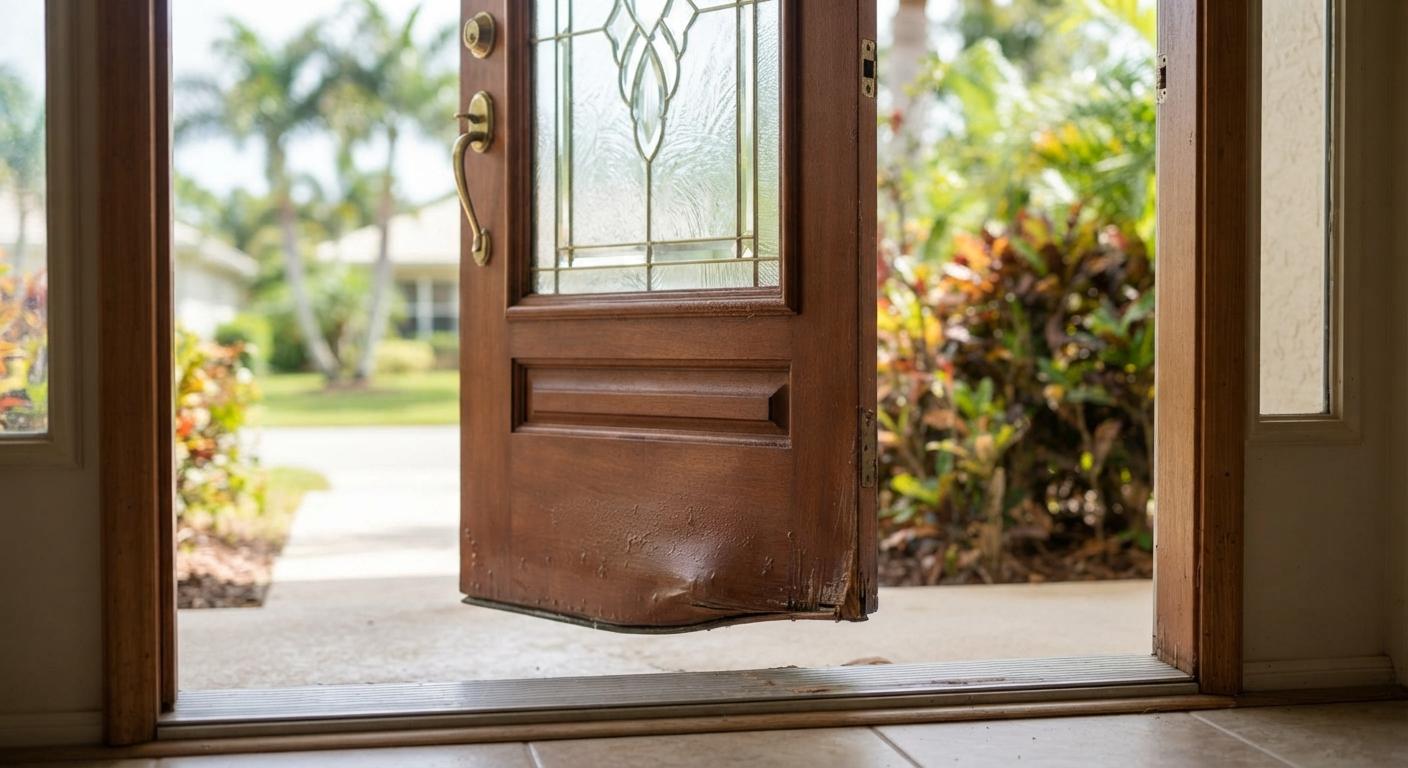

Wooden doors add warmth and beauty to any home. They also offer privacy, safety, and a classic look. But living in Bonita Springs, FL, can bring a common problem. Wooden doors may swell, stick, or become hard to close. This issue often gets worse during hot and rainy months. Many homeowners notice it when their doors stop moving with ease. The good news is that this problem has clear causes. With the right care, you can protect your doors and keep them in good shape.
If you have noticed a swollen door, the local weather may be the reason. High heat, wet air, and sudden rain can affect wood. These changes can also harm your home's paint. Regular care, including Interior Painting in Bonita Springs, can help protect indoor wood surfaces. It can also help keep your home looking fresh. Knowing why doors swell is the first step toward fixing the problem.
What Causes Wooden Doors to Swell in Bonita Springs?
Wood is a natural material. It reacts to changes in the air around it. One of its main features is its ability to take in moisture. When wood takes in water, its fibers expand. This makes the door wider or thicker than before.
Bonita Springs has a warm and humid climate. The air often holds a lot of moisture. Rainy days can also raise the amount of water in the air. These local weather changes can affect wooden doors in many ways.
1. High Humidity in the Air
Humidity is one of the main reasons wooden doors swell. It means there is water in the air. Wood can take in some of this moisture over time.
During humid months, doors may slowly grow larger. This can make them rub against the door frame. You may notice that the door needs more force to open or close.
The problem may seem small at first. But it can get worse if the wood keeps taking in moisture.
2. Heavy Rain and Wet Weather
Bonita Springs gets periods of heavy rain. Water can reach wooden doors through open spaces, worn paint, or damaged seals.
Exterior doors face a greater risk. They stay close to rain, wind, and wet air. If water gets into the wood, the door may start to swell.
Even a small crack in the paint can let water enter. That is why it helps to check outdoor doors often.
3. Hot Weather and Sudden Changes
Heat can also affect wooden doors. Wood expands and shrinks as the weather changes. Hot days may make this movement more clear.
When warm air meets cool indoor air, the door may face changes in moisture. Air conditioning can also change indoor humidity levels.
These changes do not always cause damage. But repeated shifts can affect the size and shape of a wooden door.
4. Poor Paint or Surface Protection
Paint does more than make a door look nice. It also helps protect the wood from moisture.
Old, thin, or peeling paint may leave parts of the wood open. Water can then enter through these weak spots.
A door with good paint coverage has a better layer of defense. This is why regular checks and timely paint work matter.
How Can You Tell If Your Wooden Door Is Swelling?
A swollen wooden door often shows clear signs. You do not need special tools to spot most of them.
Look for these common changes:
-
The door sticks when you try to open it.
-
You need more force to close it.
-
The door rubs against the frame.
-
Small gaps around the door look uneven.
-
Paint starts to crack or peel.
-
The wood feels rough or looks puffy.
-
The lock does not line up with the strike plate.
These signs can point to moisture damage. However, not every door problem comes from swelling.
Loose hinges, a damaged frame, or a poor fit can cause similar issues. Check the full door before choosing a repair.
Why Does Bonita Springs Weather Affect Wooden Doors So Much?
Bonita Springs has a warm coastal climate. This means homes face heat, moisture, and seasonal rain. These weather conditions can place extra stress on wood.
Warm and Moist Air
Wood takes in moisture from the air. This process can happen even when the door never gets wet.
When humidity stays high for long periods, wood may absorb more water. As a result, the door can expand and become harder to use.
Strong Sunlight
Direct sunlight can affect doors too. It can heat the surface and cause paint to fade or break down.
Over time, sunlight may also dry parts of the wood. This can lead to small cracks and uneven movement.
Salt in Coastal Air
Some homes near the coast face salty air. Salt can affect metal parts, such as hinges and screws. It may also add to wear on exposed surfaces.
Rusty hinges can make a door hard to move. This may look like a swelling problem, even when the wood is fine.
Long Rainy Seasons
Rainy weather can expose weak spots in doors. Water may enter through cracks, gaps, and worn paint.
If the wood stays wet for too long, it may swell. It may also become weak or develop signs of decay.
Good care helps lower these risks.
Exterior Painting Services can help protect exposed wooden doors when the right paint and prep steps are used. A sound coat helps limit water entry and shields the surface from harsh weather.
How Can You Prevent Wooden Doors From Swelling?
Prevention is often easier than a major repair. A few simple habits can help keep wooden doors in good shape.
1. Keep the Paint in Good Shape
Check your doors for peeling, cracks, and bare wood. These signs mean the surface may need care.
Use paint made for the type of door and its location. Outdoor doors need products that can handle sun, rain, and moisture.
Do not paint over dirt or loose paint. Clean and prepare the surface first.
2. Seal All Sides of the Door
Many people only paint the front and back of a door. But the top, bottom, and side edges also need care.
These areas can take in moisture. This is why full coverage matters.
If you have a new wooden door, ask the installer about sealing all edges before use.
3. Check the Door Frame
A damaged frame can let water enter around the door. Look for gaps, cracks, and worn seals.
Replace damaged weatherstripping when needed. Check the door sweep at the bottom too.
These small parts help keep rain and wet air outside.
4. Control Indoor Humidity
Indoor moisture can affect wooden doors as well. Use an air conditioner or dehumidifier when needed.
Try to keep indoor humidity at a steady level. A small humidity meter can help you track it.
The goal is not to make the air too dry. It is to avoid large changes in moisture.
5. Clean Your Doors Often
Dust and dirt can hide small signs of damage. Wipe your doors with a soft cloth.
Avoid soaking wooden doors with water. Too much water can harm the finish and reach the wood.
Use cleaning products that are safe for the door's finish.
What Should You Do When a Wooden Door Swells?
If your door has already swollen, do not rush to cut or sand it. First, find out why it changed.
Here are some steps that can help.
Step 1: Find the Source of Moisture
Check for leaks, rain entry, and damaged seals. Look at the roof, walls, and door frame too.
If water keeps reaching the door, fixing its size will not solve the real problem.
Step 2: Let the Door Dry
If the swelling comes from moisture, give the wood time to dry. Keep the room well aired and use normal indoor climate controls.
Do not use strong heat to dry the door. Sudden heat can cause cracks or uneven drying.
Step 3: Check the Hinges and Screws
Loose hinges can cause a door to hang in the wrong way. Check whether the screws are tight.
If the hinges are rusty or damaged, they may need to be replaced.
Step 4: Get the Door Checked
If the door still sticks after drying, ask a skilled door repair worker to inspect it.
They can check the frame, hinges, and wood. They can also tell you if sanding or another repair is safe.
Do not remove too much wood. The door may shrink again when the air becomes drier.
Can Paint Help Protect Wooden Doors From Swelling?
Yes, the right paint can help reduce moisture damage. It forms a layer over the wood and helps keep water out.
However, paint is not a full waterproof shield. It cannot stop all moisture from reaching the wood.
The result depends on the paint, surface prep, and door condition.
Choose the Right Paint
Outdoor wooden doors need paint made for exterior use. It should stand up to sun, rain, and changing weather.
Indoor doors need a finish that suits their use. It should be easy to clean and able to handle daily wear.
Ask a paint expert to help you choose the right product.
Prepare the Surface Before Painting
Good prep work is just as important as the paint itself.
The surface should be clean and dry. Loose paint should be removed. Cracks and damaged areas may need repair.
A suitable primer can help the new paint stick well. It can also give the surface a more even finish.
Do Not Ignore Small Paint Problems
A small crack may not seem like a big deal. But it can let moisture reach the wood.
Check your doors from time to time. Fix weak spots before they grow into larger issues.
When Should You Replace a Swollen Wooden Door?
Not every swollen door needs to be replaced. Some doors only need drying, repair, or a new coat of paint.
Still, there are times when a new door may be the better choice.
Signs That a Door May Need Replacement
Think about replacement if you notice:
-
Deep cracks in the wood.
-
Large areas of rot or decay.
-
Severe changes in the door's shape.
-
Ongoing water damage.
-
A door that no longer fits its frame.
-
Repeated repairs that do not solve the problem.
A damaged door may also affect home safety. It may not close or lock as it should.
Ask a door expert to check the damage before making a choice. A repair may still be possible.
Which Types of Doors Handle Humid Weather Best?
Some door materials need less care than others. Your choice should depend on your budget, home style, and location.
Solid Wood Doors
Solid wood doors look great and feel strong. But they can react to moisture and heat.
They need proper sealing and regular care. Good paint or a suitable finish can help protect them.
Fiberglass Doors
Fiberglass doors are a popular choice for many homes. They do not react to moisture in the same way as natural wood.
They can also look like real wood. This makes them a useful option for homeowners who want a wood-style look.
Steel Doors
Steel doors are strong and offer good security. They do not swell like wood.
However, their finish needs care. Scratches can expose the metal and lead to rust.
Composite Doors
Composite doors use a mix of materials. Their ability to handle moisture depends on the product and its build.
Check the maker's care guide before buying one.
Common Mistakes to Avoid When Caring for Wooden Doors
Small mistakes can make door problems worse. Avoid these habits to help protect your doors.
Painting Over Wet Wood
Never rush to paint a damp door. Moisture trapped under the paint can lead to peeling and poor results.
Let the wood dry first. Check the moisture level when needed.
Ignoring the Door Edges
The edges are easy to miss during paint work. But they need protection too.
Check the top, bottom, and side edges for bare spots.
Cutting the Door Too Soon
A swollen door may shrink after the moisture level drops. Cutting it too early can leave large gaps later.
Find the cause first. Give the wood time to settle.
Using the Wrong Paint
Not all paints work on every surface. Indoor paint may not hold up well on an outdoor door.
Choose a product that suits the door and local weather.
Forgetting Regular Checks
Waiting until a door stops closing can lead to more work. A quick check every few months can help you spot trouble early.
How Often Should You Check Your Wooden Doors in Bonita Springs?
It is wise to check wooden doors at least twice a year. Homes near the coast may need more frequent checks.
Look for changes after heavy rain or long wet periods. Check the paint, frame, hinges, and door edges.
Pay close attention to doors that face direct sunlight. They may need more care than doors in shaded areas.
Keep a simple record of any changes. This can help you notice if the problem is getting worse.
If the door starts sticking, check it early. Quick action may prevent a small issue from becoming a costly repair.
Final Thoughts
Wooden doors can swell in Bonita Springs because of humidity, rain, heat, and poor surface care. These factors can change the size of the wood and make doors hard to use.
The best way to avoid this issue is to keep moisture under control. Seal all door edges, fix damaged paint, and check the frame often.
If a door starts sticking, do not cut it right away. First, find the cause and let the wood dry. A skilled worker can help you decide whether repair or replacement is best.
With regular care, wooden doors can stay strong and look good for years. A little attention today can help you avoid bigger problems later.
Frequently Asked Questions
1. Why do wooden doors swell during summer in Bonita Springs?
Wooden doors swell because warm air often holds high levels of moisture. Wood takes in some of this moisture and expands. This can make doors stick or rub against their frames.
2. How can I stop my wooden door from swelling?
Keep the door sealed and painted. Check all edges for cracks or bare spots. Use air conditioning or a dehumidifier to help control indoor moisture. Also, fix leaks and damaged weather seals.
3. Will a swollen wooden door shrink back to its normal size?
It may shrink when the moisture level drops. Give the door time to dry in a steady indoor setting. If it stays swollen, ask a door repair expert to inspect it.
4. Does painting a wooden door prevent swelling?
Paint helps limit moisture from entering the wood. But it cannot stop all moisture damage. Proper surface prep, good paint, and full coverage are also important.
5. Are wooden doors a good choice for homes in Bonita Springs, FL?
Yes, wooden doors can work well in Bonita Springs. They need proper sealing and regular care. Homeowners should also check for water damage and keep the paint in good shape.


