

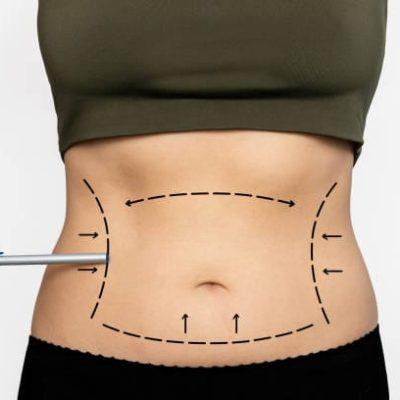
Liposuction is a body-contouring procedure designed to remove localised fat deposits and improve the shape of specific body areas. Many people consider liposuction when certain fat pockets remain despite regular exercise and balanced eating habits. However, deciding to undergo surgery requires more than choosing a treatment or scheduling an appointment. Understanding the procedure, your suitability, potential risks, and recovery expectations is equally important.
If you are considering Liposuction Surgery in Dubai, asking the right questions during your consultation can help you make an informed decision. A detailed discussion with a qualified medical professional allows you to understand what the procedure involves and whether it aligns with your body-contouring goals.
1. Am I a Suitable Candidate for Liposuction?
One of the first questions to ask is whether liposuction is appropriate for your individual circumstances. Not everyone with unwanted body fat is automatically a suitable candidate.
A medical professional generally considers several factors, including:
-
Overall health and medical history.
-
Body weight and weight stability.
-
Location and amount of localised fat.
-
Skin elasticity and quality.
-
Previous surgeries or medical conditions.
-
Personal expectations and treatment goals.
Liposuction is generally intended for body contouring rather than significant weight loss. Understanding your suitability helps establish realistic expectations before proceeding.
2. Which Areas of My Body Can Be Treated?
Liposuction can target different areas where stubborn fat deposits affect body proportions. However, the appropriate treatment areas depend on individual anatomy and clinical assessment.
Commonly considered areas include:
-
Abdomen and waist.
-
Thighs and hips.
-
Upper arms.
-
Back and flanks.
-
Chin and neck.
-
Chest area.
Ask your specialist which areas could benefit from treatment and whether addressing multiple areas during one procedure is appropriate. This discussion helps you understand how the procedure may influence your overall body proportions.
3. Which Liposuction Technique Is Appropriate for Me?
Different liposuction techniques are available, and the most suitable approach depends on the treatment area, fat distribution, medical considerations, and the professional's assessment.
Ask your surgeon to explain:
-
Which technique they recommend.
-
How the selected technique works.
-
Why it may be appropriate for your body.
-
What limitations the technique has.
-
Whether alternative approaches are available.
Understanding these details helps you avoid choosing a procedure simply because it is popular or frequently advertised. Your treatment plan should be based on medical suitability rather than trends.
4. What Results Can I Realistically Expect?
Another important question concerns the expected outcome. Liposuction can improve body contours by removing targeted fat deposits, but it cannot guarantee a particular body shape.
Results may vary depending on skin elasticity, fat distribution, anatomy, and individual healing responses.
Ask your surgeon:
-
How much improvement may be realistic?
-
Will my body proportions change?
-
Could loose skin remain after fat removal?
-
How long will it take to see the final results?
-
What factors could influence the outcome?
It is also important to understand that liposuction does not treat cellulite or significantly tighten loose skin in every case. Realistic expectations support better treatment decisions and satisfaction.
5. What Are the Possible Risks and Complications?
Every surgical procedure involves potential risks, and liposuction is no exception. Patients should understand possible complications before providing consent.
Potential risks include:
-
Swelling and bruising.
-
Temporary discomfort or numbness.
-
Infection.
-
Fluid accumulation.
-
Changes in skin sensation.
-
Uneven contours or asymmetry.
-
Anaesthesia-related complications.
-
Blood clots and other serious surgical complications.
Ask your surgeon how these risks are managed and which warning signs require medical attention. A responsible consultation should include an honest discussion of both the benefits and limitations of surgery.
6. How Long Will Recovery Take?
Recovery is an important part of liposuction planning. The healing process differs between individuals depending on the treatment area, surgical technique, and extent of the procedure.
Before scheduling surgery, ask about the expected recovery timeline.
Important questions include:
-
How many days might I need away from work?
-
When can I resume normal daily activities?
-
When is it safe to exercise again?
-
Will I need compression garments?
-
How should I manage swelling and discomfort?
-
When will follow-up appointments take place?
Your surgeon should provide personalised aftercare instructions. Following these recommendations can support healing and help reduce the likelihood of avoidable complications.
7. Will I Need to Make Lifestyle Changes After Surgery?
Liposuction removes targeted fat cells, but it does not prevent remaining fat cells from increasing in size if you gain weight.
Ask your medical professional how to maintain your results through healthy habits. Maintaining a stable weight, following balanced nutrition, staying physically active, and attending recommended follow-up appointments can contribute to long-term body-contouring results.
Patients should also understand that liposuction is not a substitute for a healthy lifestyle or a treatment for obesity.
8. What Qualifications and Surgical Facilities Should I Check?
Before scheduling liposuction surgery in Dubai, it is essential to understand who will perform the procedure and where it will take place.
Consider asking:
-
Is the surgeon appropriately licensed and qualified?
-
What experience do they have with liposuction?
-
Is the surgical facility properly licensed?
-
Who will provide anaesthesia?
-
What emergency support is available?
-
Who should I contact if concerns develop after surgery?
These questions help you evaluate the medical standards and safety arrangements associated with your procedure.
9. What Happens During the Consultation at Tajmeels Clinic?
A personalised consultation is an important step before undergoing any body-contouring procedure. At tajmeels clinic dubai, patients considering liposuction surgery in Dubai can discuss their concerns, desired body changes, and treatment expectations with the medical team.
The assessment may involve reviewing medical history, evaluating fat distribution, examining skin quality, and identifying areas that may be suitable for treatment. Patients can also discuss available techniques, recovery requirements, possible risks, and expected outcomes.
This individualised approach helps ensure that treatment recommendations are based on medical assessment rather than generalised assumptions. Patients should have the opportunity to ask questions and understand the proposed procedure before making a decision.
Conclusion
Scheduling liposuction requires careful consideration, proper medical assessment, and realistic expectations. Asking questions about eligibility, treatment techniques, potential complications, recovery, and long-term results can help you make a more informed choice.
If you are considering liposuction surgery in Dubai, prioritise a consultation with a qualified medical professional who can evaluate your individual needs. Understanding every stage of the procedure before scheduling surgery is an important part of making a confident and responsible decision.
More Information
Tajmeels Clinic Dubai
WhatsApp: +971 56 203 8751
Phone: tel:+971 43739000
Social Media:


