

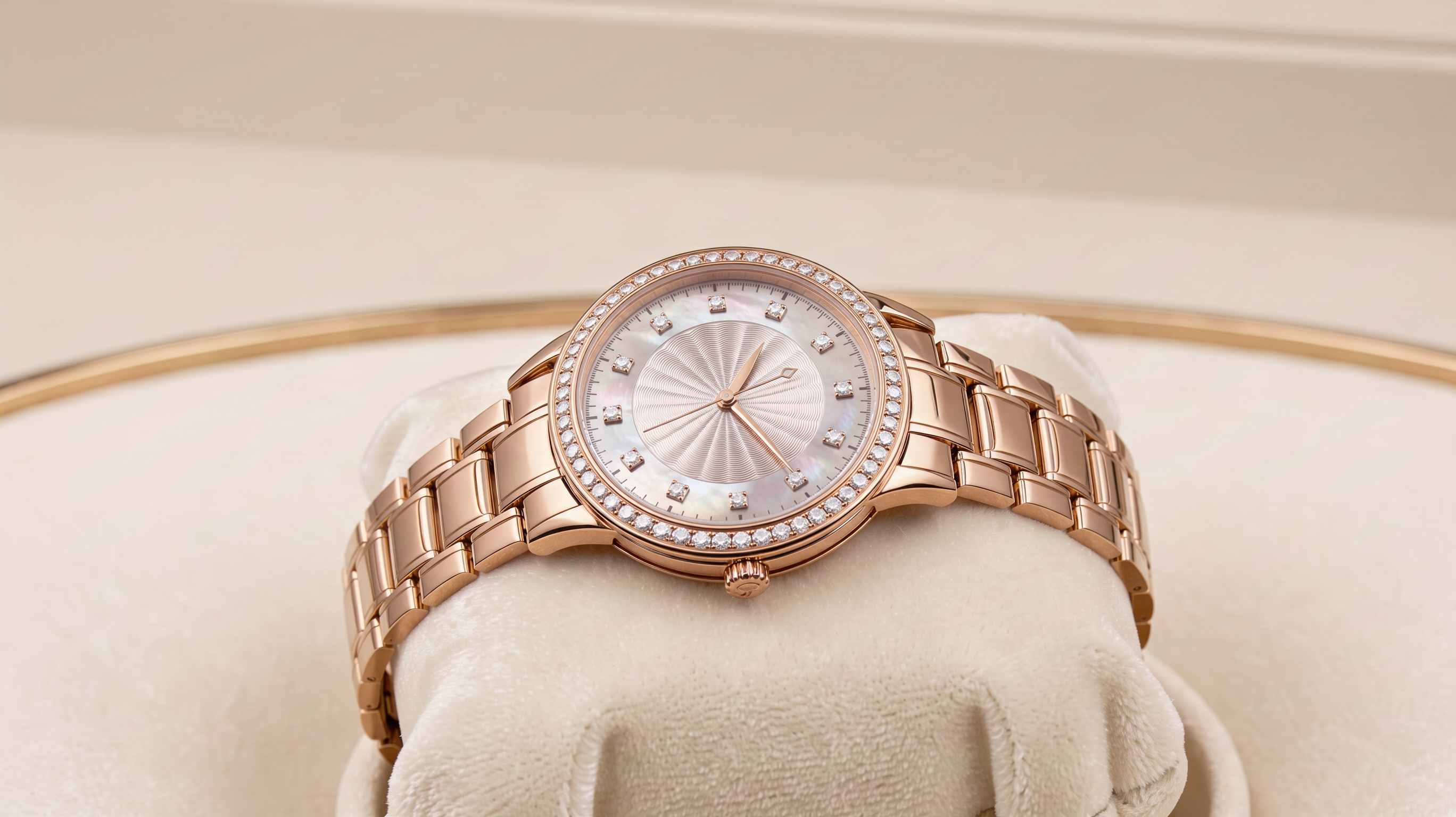

For anyone shopping for a Women's Luxury Watch, those terms can feel like a test with no answer key. Most of them describe something practical, though. Each term points to a part of the watch that affects how it looks, how it wears, and how it ages. Once you know what to look at, the choices narrow, and the watch that suits your wrist, wardrobe, and routine becomes easier to spot.
Quick Summary
-
Case size and wrist proportion affect comfort more than brand does.
-
Stainless steel, gold, and ceramic each suit different wear patterns.
-
Dial color and texture shape a watch's mood more than its movement does.
-
Dress, sport-leaning, and everyday styles serve different wardrobes.
Materials That Define Modern Luxury
Case material is the first thing most people notice, and it strongly influences how a watch wears day to day. Stainless steel is the workhorse of the category. It is durable, it can be polished after scuffs, and it pairs easily with both gold and silver jewelry. Gold, often 18-karat in luxury pieces, has a warmer look and a softer surface, so it shows fine scratches more readily. Many buyers reserve gold for dress watches and occasions.
Ceramic has become a common alternative. It is hard and scratch-resistant, and its color does not fade the way some painted finishes can. It can chip under a sharp knock, however, so it rewards careful wear. Titanium is lighter than steel and often used in sport-leaning designs, where comfort over a long day matters most.
The crystal over the dial deserves attention too. Sapphire crystal resists scratches far better than acrylic, which scuffs more easily. The trade-off is that sapphire, though very hard, can crack under a heavy impact, and it costs more to produce.
Dial Choices and What They Say About Your Style
The dial sets a watch's mood more than most buyers expect. A matte black dial reads as understated and works with nearly any outfit. A silver or white dial with a clean layout suits office wear and looks lighter against pale clothing. Blue and green dials add color without the attention that bold patterns draw.
Texture matters as well. A sunray finish, where fine lines radiate from the center, catches light as the wrist moves and often looks busier in photographs than in person. Mother-of-pearl dials have a soft, iridescent surface that shifts shade with the light. They suit evening and jewelry-style pieces, but they are delicate and can look dull if exposed to moisture or scratched.
When comparing dials, look at them in both daylight and indoor lighting, since color can change noticeably between the two.
Popular Women's Luxury Watch Categories
Sorting watches into categories makes shopping easier, because each one suits a different kind of day. A dress watch has a slim case and a simple dial, and it slides comfortably under a cuff. Sport-leaning designs usually have a sturdier case and an integrated bracelet that flows from the case, which suits daily wear. Jewelry-style watches add diamond bezels or set markers and are often chosen for gifts and occasions. Minimalist designs keep the dial clean with few markers, making them a versatile option among designer watches for women who prefer understated pieces.
Many Swiss luxury watches for women fall into one of these groups, and most women's luxury watches do too, though the boundaries overlap. The table below compares the four categories at a glance.
|
Style category |
Typical look |
Common materials |
Best for |
|
Dress watch |
Slim case, simple dial |
Gold, steel, leather strap |
Work, evenings, formal events |
|
Sport-luxury |
Integrated bracelet, sturdier case |
Steel, ceramic, titanium |
Daily wear, active lifestyles |
|
Jewelry-style |
Diamond bezel or set markers |
Gold, diamonds |
Gifts, occasions |
|
Minimalist |
Clean dial, few markers |
Steel, sapphire |
Everyday, understated wardrobes |
Current Design Trends Worth Knowing
Design trends move, and it helps to separate lasting features from short-lived ones. Slimmer cases have been a steady theme across many catalogs, partly because they fit under sleeves more easily. Integrated bracelets, where the bracelet and case share a continuous line, remain common in sport-leaning designs.
Color and metal combinations change more quickly. Two-tone pairings of steel and gold, once less common, now appear across many collections. The useful question is whether a design will still feel right after years of wear. Classic proportions and clean dials tend to age well, while very bold details may feel dated sooner.
Choosing a Style That Fits Your Daily Life
Start with your wrist. Cases around 30 to 36 millimeters often feel comfortable on slimmer wrists, though fit also depends on case thickness and how far the lugs extend. Consider a reader with a 15 cm wrist: a 36 mm case will usually sit more comfortably than a 42 mm case, even if the larger one looks striking in photos. Trying watches on in person, or checking a brand's size guide against your measurement, saves a lot of second-guessing.
Before you shop, work through this checklist:
-
Measure your wrist and note the case size that feels comfortable.
-
Decide which metal you already wear, so the watch sits well alongside your jewelry.
-
Consider where you will wear it most, whether at work, at home, or while traveling.
-
Check the strap or bracelet options and whether they can be adjusted or swapped.
-
Ask about water resistance if you swim or travel, and confirm what the rating covers.
Conclusion
Choosing a Women's Luxury Watch comes down to three questions: what you will wear it with, how you will wear it day to day, and what the case and dial should say about you. The answers usually narrow the options faster than any specification sheet. If you want to see how these styles look in person, browse a range at your own pace or visit a boutique to try a few on. A well-chosen piece tends to feel like your own from the first time you wear it.
Also Read: What Gen Z Watch Buyers Want Now: Dress Watches Over Hype
FAQs
Q1. What size watch suits a small wrist?
Cases around 30 to 36 millimeters are often comfortable on slimmer wrists. Case thickness and lug length also affect fit, so trying a watch on is the most reliable check.
Q2. Is ceramic or stainless steel better for everyday wear?
Ceramic resists scratches well, while stainless steel is easier to refinish by polishing. Both are durable, so the better choice depends on whether you value scratch resistance or easier repair.
Q3. What are the most popular styles right now?
Dress, sport-leaning, and minimalist designs remain widely chosen. Popularity shifts with color and case trends, so it helps to compare current catalogs.
Q4. Is sapphire crystal worth paying more for?
Sapphire resists scratches much better than acrylic, which is useful for daily wear. It can still crack under a hard impact, so it does not protect against every knock.
Q5. How do I check water resistance?
Ratings describe laboratory testing, not every situation. A rating for splashes is not the same as one for swimming, so read the marking and the manufacturer's guidance before getting the watch wet.


