

Air conditioning has become an important part of modern residential, commercial, and industrial infrastructure, helping maintain comfortable indoor environments and supporting temperature-sensitive operations. Rising cooling needs, building development, and consumer interest in improved indoor comfort are encouraging continued demand for air conditioning equipment. At the same time, energy consumption, operating expenses, and environmental considerations are influencing product selection. Manufacturers are focusing on energy-efficient designs, smart temperature controls, and improved cooling performance to meet the needs of households and businesses while addressing the growing importance of sustainable cooling.
Insights published by Markntel Advisor indicate that the Air Conditioner Market is valued at USD 145.90 billion in 2026 and is projected to reach USD 201.59 billion by 2032, registering a CAGR of 5.54% during 2026–2032. The Air Conditioner Market Research Report identifies room air conditioners as the leading product type and Asia-Pacific as the largest region. The report examines industry trends, growth drivers, and opportunities shaping the sector during the forecast period.
Room Air Conditioners Support Residential Cooling Demand
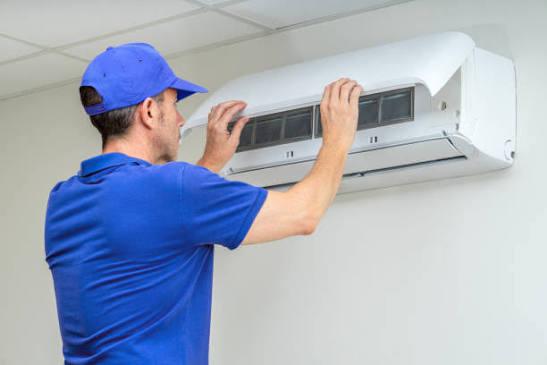
Room air conditioners are widely used in homes, apartments, small offices, retail spaces, and other locations that require cooling for individual rooms or defined areas. Their range of capacities and installation configurations allows consumers and businesses to select equipment according to room size, usage patterns, and building layout.
Purchasing decisions increasingly consider more than initial cost. Cooling capacity, energy efficiency, noise levels, maintenance needs, and available features can all influence product selection. Inverter technology and variable-speed compressors can help some systems adjust output to changing cooling requirements, potentially improving operating efficiency when compared with less flexible designs.
The International Energy Agency highlights the importance of efficient cooling in its report, The Future of Cooling. The analysis explains that rising air-conditioning use can increase electricity demand, while more efficient equipment and effective policies can help reduce the energy required to provide cooling.
Asia-Pacific Remains an Important Regional Hub
Asia-Pacific is identified as the largest region in the report. The region encompasses diverse climates, housing patterns, industrial activities, and levels of air-conditioning adoption. Demand for room air conditioners can be influenced by urban development, household purchasing power, construction activity, and the need for cooling during periods of high temperatures.
The region also plays a significant role in air-conditioning manufacturing and supply chains. Equipment producers, component suppliers, distributors, and installation service providers contribute to the industry’s development. Market requirements vary across countries, making affordability, energy performance, product availability, and after-sales support important considerations.
Product suitability and reliable servicing can be especially important for consumers choosing equipment for long-term use. Access to replacement parts and qualified technicians can help maintain performance and extend the useful life of installed systems.
Energy Efficiency Shapes Product Development
Energy efficiency is a key consideration for manufacturers and buyers because air conditioners consume electricity throughout their operating lives. More efficient equipment can help reduce electricity use for a given cooling requirement, although actual savings depend on climate, installation quality, operating habits, and maintenance.
The IEA’s Energy Efficiency 2025 report discusses how growing air-conditioner adoption is contributing to cooling-related electricity demand and why efficiency improvements are important. These considerations are encouraging attention to compressor performance, heat exchangers, refrigerants, and system controls.
Consumers can support efficient operation by selecting appropriately sized equipment, maintaining filters and outdoor units, and using suitable temperature settings. Oversized or poorly installed systems may not deliver the expected performance, even when the equipment itself has strong efficiency specifications.
Smart Features and Installation Services
Manufacturers are incorporating features such as programmable schedules, remote controls, connected applications, and automated operating modes into some air-conditioning products. These features can improve convenience and help users manage cooling based on occupancy and daily routines.
However, smart functionality is most useful when it complements sound equipment selection and installation. The cooling system must be appropriate for the space, with suitable airflow and proper installation of refrigerant lines and drainage. Regular maintenance can also help identify issues before they affect comfort or operating costs.
Installation quality, maintenance access, and user-friendly controls therefore remain important factors in the overall ownership experience. Contractors and service providers can help buyers select systems suited to their cooling requirements and building conditions.
Challenges and Future Opportunities
The industry faces challenges involving electricity costs, seasonal demand, equipment affordability, refrigerant-related environmental concerns, and competition among manufacturers. Buyers must weigh upfront investment against expected energy use, maintenance requirements, and product durability. Manufacturers must also respond to applicable energy-efficiency and environmental regulations in the markets they serve.
Opportunities may emerge from building modernisation, demand for efficient replacement equipment, improved control technologies, and growing attention to sustainable cooling. Continued advances in system design can help improve performance, while effective maintenance and installation practices can support reliable operation.
Conclusion
The air conditioner industry continues to evolve as households and businesses seek reliable cooling alongside better energy performance. The report projects the sector to grow from USD 145.90 billion in 2026 to USD 201.59 billion by 2032, with room air conditioners leading by product type and Asia-Pacific representing the largest region. Energy efficiency, suitable product selection, smart controls, and dependable installation services will remain important considerations as the industry develops.


