

**How Can Crooked Teeth Treatment Without Braces in Lahore Help Straighten Your Smile?**
Many people want straighter teeth but feel hesitant about wearing traditional metal braces. They may prefer a treatment option that looks discreet, fits into their daily routine, or allows them to smile comfortably during work, social gatherings, and everyday activities. Crooked Teeth Treatment Without Braces In Lahore is an increasingly relevant topic for patients exploring alternatives to conventional orthodontic appliances.
Depending on the type and severity of misalignment, crooked teeth may sometimes be corrected using clear aligners or addressed through selected cosmetic dental procedures. However, not every treatment that improves the appearance of teeth actually moves them into healthier positions. Understanding this difference is important before choosing a treatment.
At Dental Club, patients can discuss their concerns about crowded, rotated, uneven, or spaced teeth and explore whether a braces-free approach may be suitable for their individual dental condition. A professional assessment helps determine the safest and most appropriate option.
Why Do People Look for Teeth Straightening Without Braces?
Traditional braces are a widely used orthodontic treatment, but some patients prefer alternatives because of their appearance, lifestyle, or personal comfort.
Common reasons include:
- Wanting a less noticeable treatment
- Feeling uncomfortable with metal brackets and wires
- Looking for a removable orthodontic option
- Wanting to maintain familiar eating routines
- Finding it easier to clean teeth without fixed appliances
- Concerns about appearance during professional or social interactions
- Exploring treatment options before committing to conventional braces
These preferences are understandable. However, the right treatment should be selected according to the patient's dental condition rather than appearance alone.
Can Crooked Teeth Really Be Straightened Without Traditional Braces?
Yes, certain crooked teeth can be corrected without traditional fixed braces. The most common orthodontic alternative for suitable cases is clear aligner treatment.
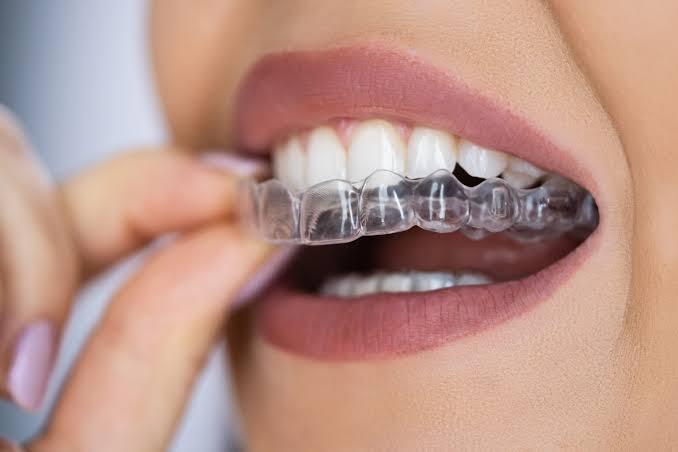
Clear aligners use a series of transparent trays designed to gradually move teeth. Patients wear each tray according to their treatment plan, allowing controlled movement over time.
Other cosmetic procedures may improve the visible appearance of uneven teeth without orthodontically moving them. For example, veneers or dental bonding can sometimes change the shape or appearance of selected teeth.
The important distinction is that orthodontic correction moves teeth, while cosmetic treatment may improve how teeth look without correcting their underlying position or bite.
The treatment choice depends on the severity of crowding, tooth rotations, spacing, bite problems, gum health, and the patient's expectations.
What Are the Options for Crooked Teeth Treatment Without Braces?
Patients searching for Teeth Straightening Without Braces in Lahore may come across several treatment approaches. Each option has a different purpose, and not every option is appropriate for every patient.
1. Clear Aligner Treatment
Clear aligners are transparent, removable orthodontic trays that gradually move teeth according to a professionally planned treatment sequence.
They may be used for selected cases involving:
- Mild to moderate crowding
- Small gaps between teeth
- Certain rotated teeth
- Minor alignment concerns
- Selected orthodontic relapse cases
Aligners are removable for meals, brushing, and flossing. However, they generally need to be worn for approximately 20–22 hours per day, or according to the treating dentist's instructions.
Consistent wear is essential. Removing the aligners frequently or failing to follow the prescribed schedule may affect progress.
2. Cosmetic Dental Bonding
Dental bonding uses tooth-coloured restorative material to improve the shape or appearance of selected teeth. It may help address small chips, uneven edges, minor shape differences, or certain cosmetic concerns.
Bonding does not generally move crooked teeth into their correct positions. It may be suitable only for selected cases where the alignment issue is minor and the cosmetic result can be achieved without compromising tooth structure or bite.
A dentist must evaluate whether bonding is appropriate before recommending it.
3. Dental Veneers
Veneers are thin restorations placed on the visible surfaces of selected teeth to improve their appearance. They may be used for concerns such as discoloration, irregular tooth shape, selected spacing issues, or minor visible alignment concerns.
Veneers are not a substitute for orthodontic treatment in every crooked-teeth case. Significant crowding or bite problems may require orthodontic correction first.
Some veneer treatments involve removing a small amount of enamel, and this may be irreversible. Patients should carefully discuss the benefits, limitations, long-term maintenance, and alternatives before proceeding.
4. Minor Cosmetic Tooth Contouring
In selected cases, a dentist may carefully reshape small areas of enamel to improve the appearance of uneven edges or minor irregularities.
This approach is limited because enamel removal cannot correct substantial tooth rotations, crowding, or bite problems. Excessive reshaping may damage teeth, so contouring should only be performed after professional assessment.
How Do Clear Aligners Work Without Braces?
Clear aligner treatment involves a series of custom-designed transparent trays. Each tray is planned to make small adjustments to tooth positions.
The process usually includes the following stages:
Step 1: Examination of Teeth and Bite
The dentist checks the teeth, gums, alignment, and bite. The examination helps identify whether clear aligners can address the patient's concerns.
Step 2: Digital Scans or Dental Impressions
Depending on the clinic's process and the case, dental impressions or digital scans may be used to record tooth positions. Photographs and X-rays may also be required for appropriate assessment.
Step 3: Treatment Planning
The dentist plans the desired tooth movement and evaluates whether the case can be treated with aligners. The plan should consider the roots, supporting bone, gum health, and bite—not just the visible smile.
Step 4: Custom Aligner Preparation
The aligners are prepared according to the treatment plan. Each tray is designed to guide gradual tooth movement.
Step 5: Wearing the Aligner Trays
Patients wear their aligners according to the prescribed schedule. They may change to the next set of trays only as instructed by the treating dental professional.
Step 6: Follow-Up Appointments
Regular checkups help evaluate whether the teeth are moving as expected and whether the trays fit correctly. Additional adjustments may be needed during treatment.
Who Is Suitable for Braces-Free Teeth Straightening?
Not every patient with crooked teeth can be treated without conventional braces. Suitability depends on the type of alignment issue and the movement required.
Patients who may be candidates for clear aligners include individuals with:
- Mild to moderate crowding
- Minor spacing between teeth
- Selected tooth rotations
- Mild orthodontic relapse after previous braces
- Certain alignment problems with manageable bite concerns
Patients with severe crowding, significant jaw discrepancies, complex bite problems, or teeth requiring substantial movement may need traditional braces or other orthodontic treatment.
A dental professional should assess the case before any treatment begins.
What Are the Benefits of Modern Crooked Teeth Correction?
Modern Crooked Teeth Correction in Lahore may include discreet orthodontic options and selected cosmetic treatments based on individual needs.
Discreet Appearance
Clear aligners are transparent and may be less noticeable than traditional braces. This can appeal to patients who want to improve their smile without drawing attention to orthodontic treatment.
Removable Appliances
Aligners can be removed for meals and oral hygiene. Patients can continue eating their usual foods without the restrictions commonly associated with fixed braces, while following their aligner care instructions.
Easier Oral Hygiene
Patients can remove aligners before brushing and flossing. This allows them to clean their teeth normally, helping maintain gum health and reduce plaque accumulation.
Flexible Daily Routine
Some patients appreciate being able to remove their appliance briefly for specific activities. However, flexibility should not interfere with the prescribed wearing schedule.
Personalized Treatment Planning
Modern orthodontic planning can help dental professionals evaluate tooth positions and plan gradual movement based on the patient's specific condition.
What Are the Limitations of Treatment Without Braces?
Braces-free treatment can be convenient, but it is not suitable for every orthodontic problem.
Complex Tooth Movements
Some rotations, severe crowding, and complex bite corrections may be difficult to achieve with clear aligners alone. Conventional braces may provide better control for certain tooth movements.
Patient Cooperation
Removable aligners depend heavily on the patient wearing them consistently. If the trays are not worn for the recommended time, treatment may take longer or progress may be affected.
Cosmetic Treatments Do Not Correct Every Problem
Veneers and bonding can improve visible tooth appearance, but they do not necessarily correct the underlying bite or move teeth into their proper positions.
Treatment May Take Time
Even discreet orthodontic options require gradual tooth movement. Patients should not expect instant alignment from orthodontic treatment.
Not Every Smile Is Suitable for Cosmetic Camouflage
Attempting to hide significant crookedness with veneers or extensive reshaping may result in unnecessary tooth alteration. Orthodontic treatment should be considered where tooth movement is clinically appropriate.
How Long Does Teeth Straightening Without Braces Take?
Treatment duration depends on the patient's dental condition and the selected treatment method.
Clear aligner treatment may take several months or longer, depending on the amount of tooth movement required. Mild cases may be relatively shorter, while more complicated cases may require a longer treatment plan or a different orthodontic appliance.
Cosmetic bonding may be completed in fewer visits in selected cases, but it does not provide the same tooth movement as orthodontic treatment.
The dentist can provide an estimated timeline after examination, records, and treatment planning.
How Can You Maintain Your Smile During Treatment?
Maintaining good oral health is important whether you choose clear aligners or another treatment option.
Patients should:
- Brush twice daily with fluoride toothpaste
- Clean between teeth daily
- Remove aligners before eating
- Clean aligners according to professional instructions
- Avoid exposing aligners to hot water
- Keep aligners in their protective case when removed
- Attend follow-up appointments
- Avoid delaying treatment if cavities or gum problems are identified
- Follow the recommended retainer plan after orthodontic correction
Good oral hygiene can help protect the teeth and gums throughout the treatment process.
Why Is a Professional Consultation Important at Dental Club?
Before selecting treatment, patients should understand what is causing their crooked teeth and which correction method may be suitable.
A professional consultation can help evaluate:
- The severity of crowding or spacing
- Tooth rotations and alignment
- Bite relationships
- Gum health and supporting structures
- Suitability for clear aligners
- Whether cosmetic procedures are appropriate
- Expected treatment duration
- Long-term retention requirements
Patients considering braces-free correction should avoid making decisions based solely on advertisements, social media pictures, or promises of quick results.
At Dental Club, patients can discuss their smile goals, understand the available treatment choices, and learn about the advantages and limitations of each option before deciding.
Frequently Asked Questions About Crooked Teeth Treatment Without Braces
1. Can crooked teeth be straightened without traditional braces?
Yes, selected crooked teeth can be corrected using clear aligners. Cosmetic treatments may improve the appearance of certain minor irregularities, but they do not necessarily move teeth or correct bite problems.
2. What is the best treatment for crooked teeth without braces?
Clear aligners may be suitable for selected mild to moderate alignment concerns. The best treatment depends on the patient's teeth, bite, gum health, and the amount of movement required.
3. Are clear aligners better than braces?
Clear aligners offer a transparent and removable option, but traditional braces may be more appropriate for certain complex cases. The best choice depends on the clinical situation.
4. Can severe crooked teeth be corrected without braces?
Severe crowding or complex bite problems may not be suitable for clear aligners alone. Some cases require traditional braces or a combination of orthodontic approaches.
5. Do veneers straighten crooked teeth?
Veneers can improve the visible appearance of selected teeth, but they do not orthodontically move teeth. They may not be appropriate for significant misalignment or bite problems.
6. Is teeth straightening without braces painful?
Clear aligners may cause temporary pressure or mild soreness when starting a new tray. Cosmetic procedures have different experiences depending on the treatment and the patient's condition.
7. How long does teeth straightening without braces take?
The duration varies according to the amount of movement required and the treatment method. Clear aligner treatment may take several months or longer, while selected cosmetic procedures may require fewer visits.
8. Can adults straighten crooked teeth without braces?
Yes, adults may be suitable for clear aligners if their teeth, gums, and supporting structures are healthy and the alignment problem can be treated with that method.
9. Do clear aligners need to be worn every day?
Yes. Clear aligners generally need consistent daily wear, commonly around 20–22 hours, unless the treating dentist provides a different schedule.
10. Where can I get crooked teeth treatment without braces in Lahore?
Patients interested in braces-free teeth straightening can consult Dental Club in Lahore to discuss their alignment concerns and determine whether clear aligners or another treatment option may be suitable.
Conclusion
Crooked teeth do not always require traditional metal braces, but the available alternatives depend on the type and severity of the alignment problem. Clear aligners may provide an effective orthodontic option for selected patients, while cosmetic bonding, veneers, or minor contouring may address certain appearance-related concerns without moving teeth.
Crooked Teeth Treatment Without Braces In Lahore may be suitable for patients who want a discreet approach to improving their smile. However, proper assessment is essential to ensure that the selected treatment addresses the actual dental concern and does not compromise oral health.
Patients searching for Teeth Straightening Without Braces in Lahore or Modern Crooked Teeth Correction in Lahore can consult Dental Club to understand their treatment options, expected results, limitations, and long-term care requirements.
A healthier, more aligned smile begins with informed decisions, professional guidance, and a treatment plan designed according to individual dental needs.
Dental Club — Healthy Smile, Happy Life.


